In electronics, PCB (Printed Circuit Board) is a core component used for mechanical support and electrical connection of electronic components. The significance of PCB in electronics is reflected in the following aspects:
Table of Contents
1. Carrier for electrical connections
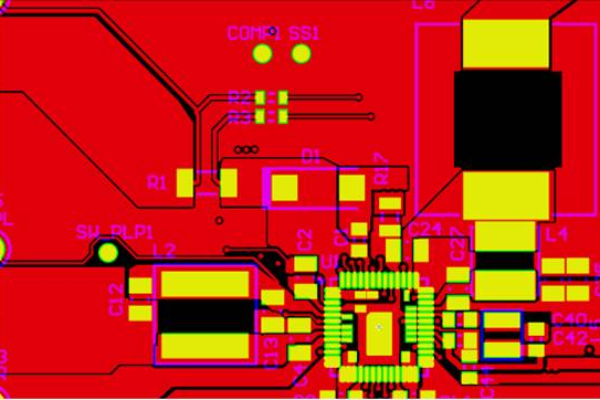
-PCB replaces traditional manual wires with pre designed conductive copper foil routing, connecting electronic components such as resistors, capacitors, chips, etc. according to circuit design requirements.
-Reduced messy wiring, lowered the risk of short circuits, while ensuring the stability and reliability of signal transmission.
2. Mechanical support and fixation
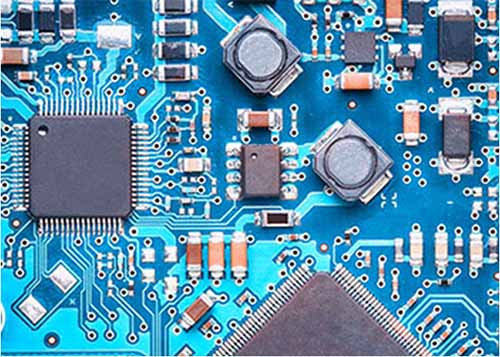
-PCB provides a physical installation platform for electronic components, fixing them through soldering or plugging to ensure stable operation of the equipment in environments such as vibration and impact.
-Multilayer PCBs can also achieve high-density integration of complex circuits through internal stacking structures.
3. Standardization and repeatability
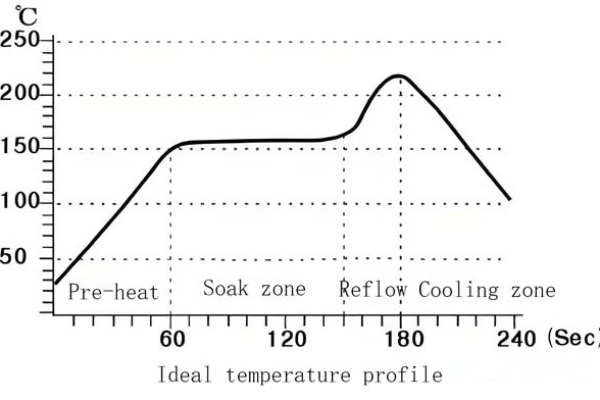
-The design of PCB can be completed through software such as Altium Designer and KiCad, supporting automated production such as SMT surface mount and wave soldering, greatly improving production efficiency and consistency.
-Standardized PCB dimensions and interfaces (such as pin headers and connectors) simplify the modular design of electronic systems.
4. Heat dissipation and reliability
-Specially designed PCBs can help dissipate heat from high-power components through copper foil layers, heat dissipation holes, or metal substrates (such as aluminum substrates).
-Surface treatment processes (such as gold plating, tin spraying) and solder mask can prevent oxidation and short circuits, improving long-term reliability.
5. Miniaturization and high-density integration
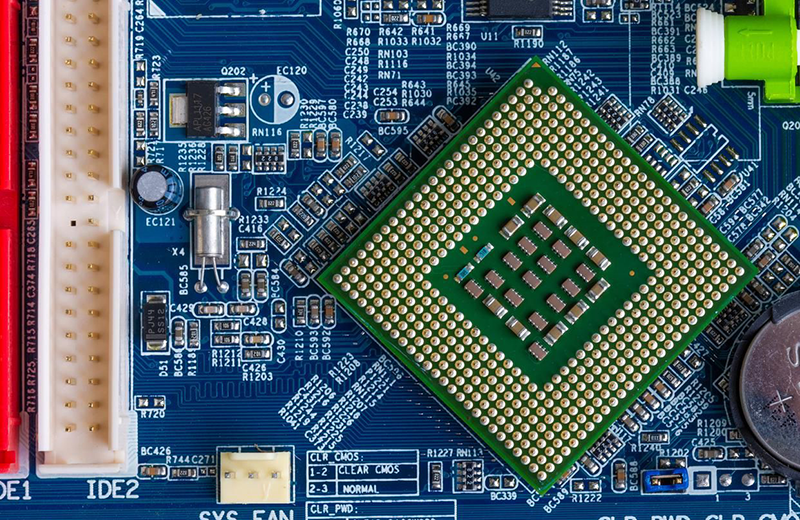
-Modern PCBs support multi-layer structures (such as 4 layers, 8 layers, or even more) and achieve miniaturization of complex circuits through buried hole and blind hole technology.
-High density interconnect (HDI) technology further reduces the size of electronic devices and promotes the popularity of portable products such as smartphones and wearable devices.
This is also one of the meanings of PCB in electronics.
6. Reduce costs and debugging efficiency
-The cost of mass-produced PCBs is much lower than manual wiring, and they are easy to maintain and debug (through testing points and fly wire detection).
-A well-designed PCB can reduce electromagnetic interference (EMI) and lower the difficulty of later debugging.
7. Wide applicability
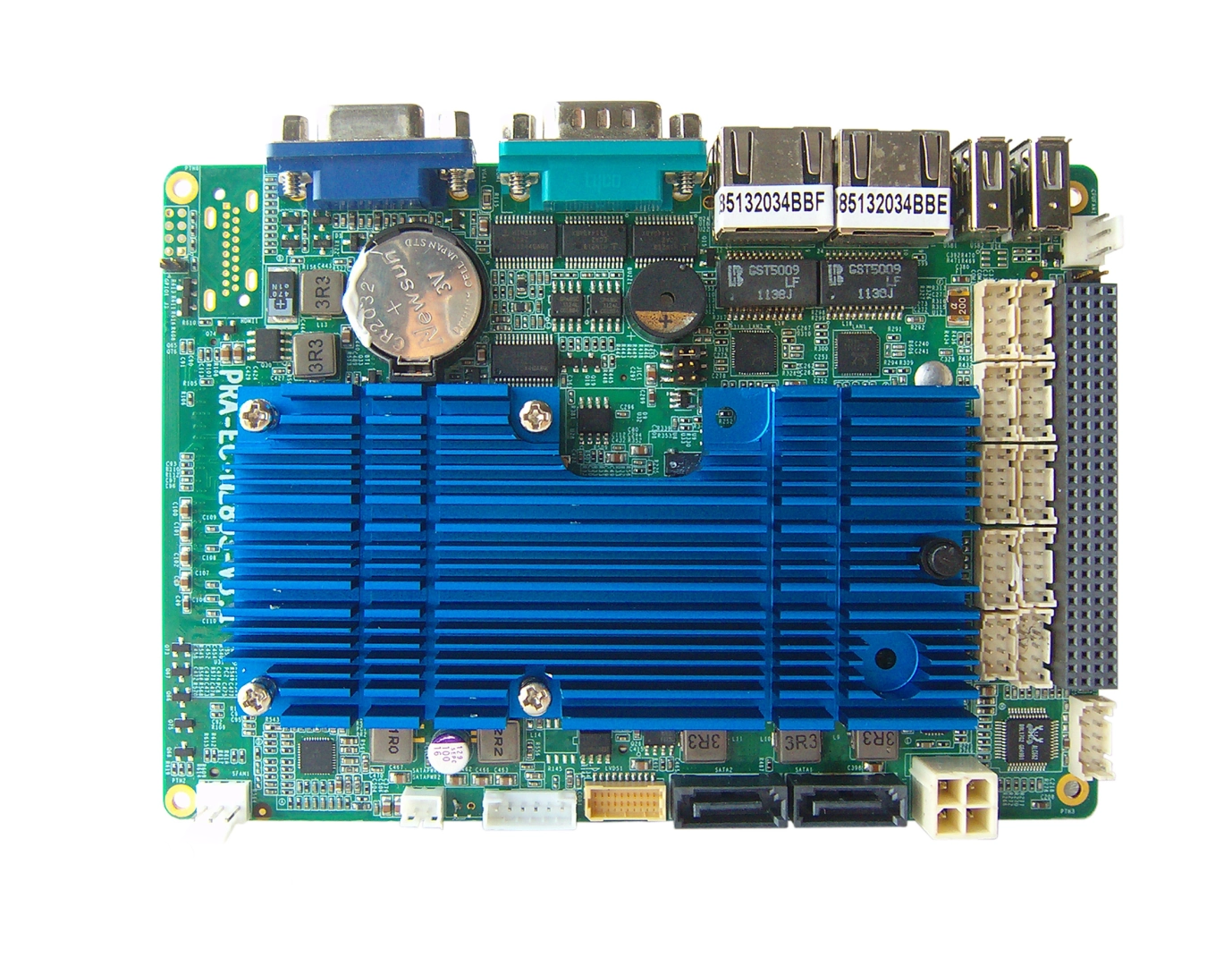
The significance of PCB in electronics is very important, so PCB exists in almost all electronic devices, including:
–Consumer electronics (mobile phones, computers, home appliances)
–Industrial control (PLC, sensors)
–Communication equipment (routers, base stations)
–Medical equipment (electrocardiograph, imaging equipment)
–Aerospace (navigation systems, satellites)
Summarize
The significance of PCB in electronics is very important. It is the cornerstone of modern electronic technology, and through the combination of structural design and process technology, it achieves the reliability, efficiency, and miniaturization of circuits. Without PCBs, complex electronic systems such as computers and 5G communication are almost impossible to implement. Therefore, mastering PCB design is one of the core skills for electronic engineers.