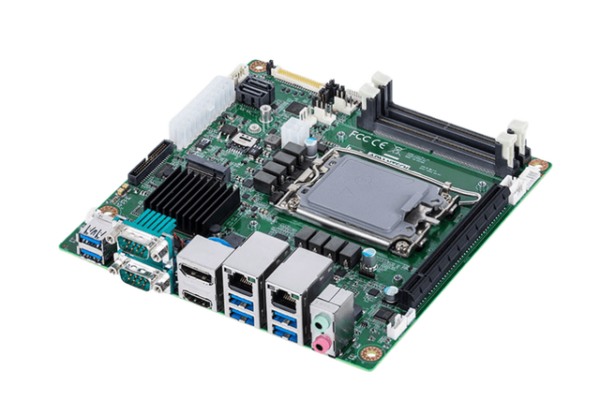
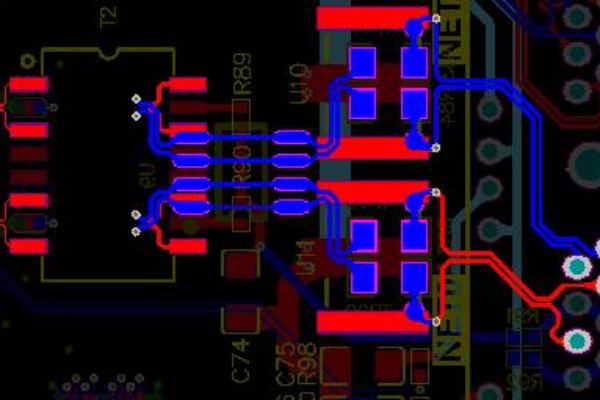
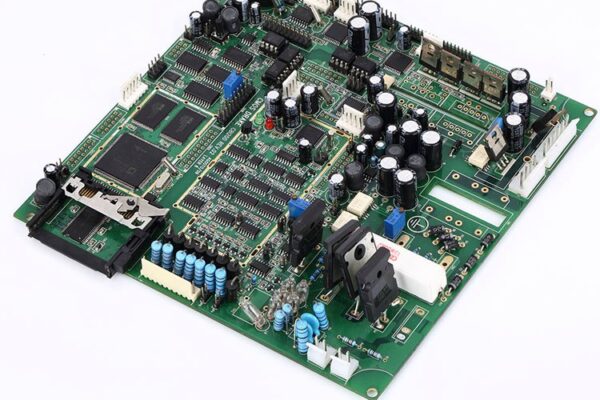
In the PCB (printed circuit board) industry, LDI (Laser Direct Imaging) is a photolithography technique that uses laser to directly image on photosensitive materials without the need for traditional exposure processes. The following is a detailed analysis of its core characteristics, advantages, and application areas:
Table of Contents
1、 Technical principles and core characteristics of LDI
LDI uses high-precision laser emitted by ultraviolet laser to directly scan and image on the photosensitive coating of PCB based on digital files, replacing the traditional contact exposure method that relies on film in the process. Its core features include:
1. Digital operation
Control laser imaging through software, without the need for physical film, and directly use design files.
2. High precision imaging
The focusing ability of the laser can achieve micrometer level linewidth (such as 1.5/1.5 mil), meeting the requirements of high-density interconnect (HDI) and advanced packaging.
3. Flexibility and efficiency
When switching products, only digital files need to be adjusted (about 5 minutes), while traditional processes require film replacement and alignment (about 15 minutes), significantly improving production flexibility.
2、 Advantages of LDI over traditional exposure techniques
1. Cost and efficiency optimization
-Save film costs: No need for film production and storage, reducing material and labor costs.
-Production efficiency improvement: One LDI equipment has a production capacity equivalent to 3-5 traditional exposure machines, and occupies a smaller area, saving clean room space.
-Controllable maintenance costs: Although components such as lasers require regular maintenance (approximately 400000 yuan per year), the overall benefits are still significantly higher than traditional equipment.

2. Accuracy and yield improvement
-Higher resolution: Supports a line width of 1.5 mil, better than the traditional device’s 2.5 mil, meeting the fine circuit requirements of high-end PCBs.
-Reduce errors: avoid the problem of film expansion and contraction, reduce the difficulty of solder joint alignment, and improve yield.
3. Adaptability and stability
-Complex graphics support: suitable for complex designs such as multi-layer boards and blind buried hole boards, especially for high-frequency and high-speed PCBs.
-Automated production: reduces human interference, improves process consistency and stability.
3、 The main application areas of LDI

1. High end PCB manufacturing
–HDI board and packaging substrate: used in scenarios such as smartphones and 5G communication devices that require strict high-density wiring.
–High frequency high-speed board: supports high-frequency signal transmission requirements such as 5G base stations and radar systems, and improves performance through low loss materials.
2. Pan semiconductor and advanced packaging
-IC carrier board and rewiring: Achieving high-precision interconnection in advanced packaging to meet the packaging requirements of AI chips and high computing power chips.
-Panel Display (FPD) and Mask Manufacturing: Fine patterning processes used for OLED, Micro LED and other display panels.
3. New energy and emerging fields
-Copper electroplating for photovoltaic cells: achieving 10 micron level copper grid line patterning in N-type cells to improve cell efficiency.
–Automotive electronics: Meet the manufacturing needs of thick copper PCBs (such as power modules), adapt to high current and heat dissipation requirements.
4、 Market Development Trends of LDI
-Market size growth
The LDI equipment market in China is expected to reach 1.178 billion yuan in 2023 and surpass 1.8 billion yuan by 2024, with a compound annual growth rate of over 10%.
-Localization of technology
Domestic enterprises are gradually breaking the monopoly of foreign investment and achieving import substitution in the field of high-end equipment.
-Application Expansion
With the upgrading of industries such as AI, electric vehicles, and photovoltaics, LDI’s penetration rate in the pan semiconductor field will continue to increase.
5、 Summary
LDI technology, with its advantages of digitization, high precision, and flexibility, is gradually replacing traditional exposure processes and becoming the core equipment for mid to high end PCB manufacturing. Its application areas have expanded from consumer electronics to emerging markets such as pan semiconductors and new energy, and in the future, it will be used in 5G AI、 Play a more important role in industries such as green energy. For enterprises, adopting LDI can not only improve production efficiency and product yield, but also enhance competitiveness in the high-end PCB market.