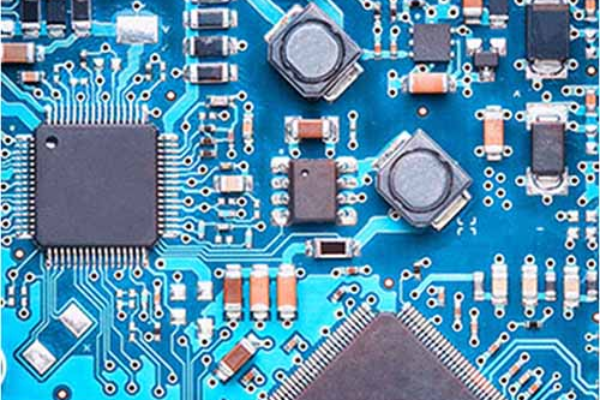
PCB warping is a common issue encountered during the production of electronic products. This not only leads to reduced functionality of the devices but also shortens their lifespan, diminishes user experience, and causes significant challenges for enterprises. Therefore, minimizing PCB warping is crucial for businesses. So, how can PCB warping be reduced in PCBA design? What are the key considerations?
Table of Contents
How to Reduce PCB Warping in PCBA Design
1. Enhance the Rigidity of Structural Materials
For example, during production, switching from plastic to metal casings can improve resistance to external impacts. If changing the casing material is not feasible, adding ribs to alter the stress distribution can enhance compressive strain resistance. Some PCBA designers also use rigid covers to strengthen the structure, but such covers must be made of rigid materials to be effective.
2. Use Structural Design to Support the PCB and Prevent Warping
By integrating pillars into the front and rear casings to support the PCB, the impact and collision forces from drops can be reduced, thereby minimizing PCB warping.
3. Utilize Cushioning Materials to Mitigate Impact Forces
As is well-known, when electronic products fall from a height, they experience significant impact forces that can cause damage or even breakage. Selecting appropriate cushioning materials can help absorb these forces. However, PCBA designers note that this method is not suitable for all electronic products. It works best when the PCB is secured with screws at one end, providing effective cushioning. In other cases, achieving this effect can be challenging.

Factors to Consider in PCBA Design and Production
1. Product Functionality
This includes meeting basic requirements, enabling upgradeable features, supporting additional executable functions, and incorporating components that are easy to manufacture and manage.
2. Return on Investment (ROI)
With numerous manufacturers engaged in PCBA design and production, the quality, cost-effectiveness, and overall costs vary significantly. As a PCBA designer, it is essential to strive for higher product quality and lower production costs, offering enterprises options with low investment and high returns. Thus, comprehensive considerations during the design process are vital to ensuring optimal cost-efficiency and ROI.
3. Collaborative Partnerships
PCBA design cannot be accomplished by a single individual; it requires teamwork. Therefore, designing an excellent PCB necessitates strong collaborative support from a capable team.