Table of Contents
I. Introduction
SMT assembly is one of the critical processes in electronic product manufacturing. During SMT processing, components and PCB substrates may absorb moisture during storage and transportation. Therefore, baking is required before assembly to remove moisture from the materials, prevent defects such as voids, blistering, or delamination during soldering, and ensure product quality.
II. Purpose of SMT Material Baking
The primary purpose of SMT material baking is to remove moisture from the materials, achieving the following benefits:
– Prevent defects such as voids, blistering, or delamination during soldering
– Enhance soldering reliability
– Extend product lifespan
III. Steps for SMT Material Baking
The steps for SMT material baking are as follows:
1. Material Preparation
Before baking, clean the materials to remove surface contaminants such as dust and dirt. For fragile components, pay attention to packaging and handling.
2. Setting Baking Parameters
Baking parameters include temperature, duration, and method. The baking temperature and time are determined based on the material type and storage environment.
Generally, the baking temperature for PCB substrates is 110°C–125°C for 2–8 hours, while for ICs, it is 125°C–150°C for 4–24 hours.
3. Executing the Baking Process
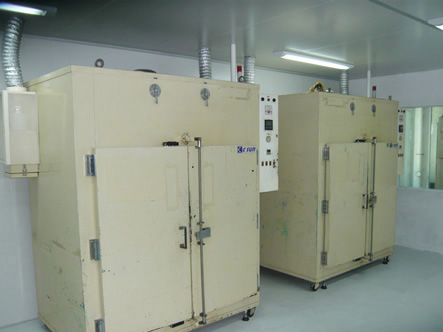
Arrange the materials evenly in the baking oven, maintaining adequate spacing for proper air circulation. During baking, regularly observe the materials to detect any abnormalities promptly.
IV. Precautions for SMT Material Baking
1. Setting Baking Temperature and Time
Baking temperature and time should be determined based on the material type and storage environment. Excessively high or low temperatures may damage the materials, while over-baking can cause excessive dryness, affecting soldering performance.
2. Oven Cleaning and Maintenance
The oven should be cleaned and maintained regularly to ensure baking effectiveness. Keep the oven interior clean and free of debris to avoid hindering heat conduction. The temperature control system should be inspected and calibrated periodically to ensure accurate baking temperatures.
3. Monitoring Oven Humidity and Temperature
Maintain appropriate humidity inside the oven to prevent excessive drying of materials. Ensure stable oven temperature to guarantee consistent baking results.
V. Conclusion
SMT material baking is a critical process in SMT assembly and a key step in ensuring product quality. During baking, strict adherence to process specifications is essential to achieve optimal results.