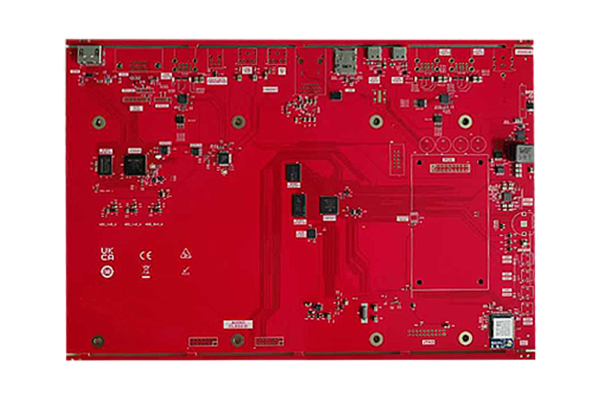
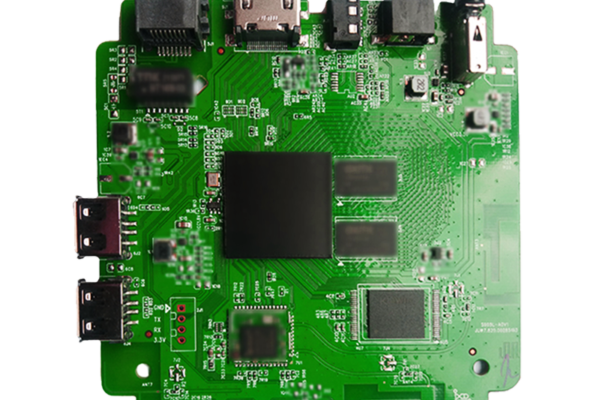
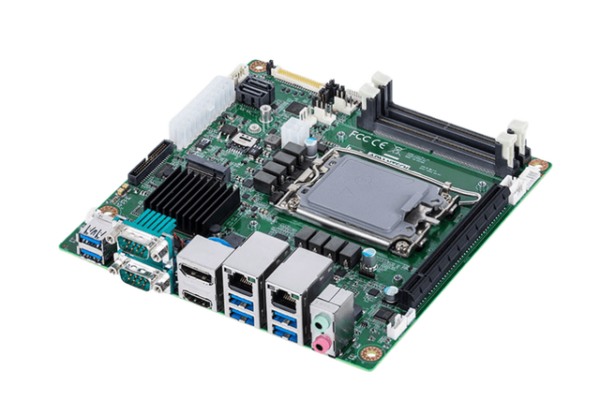
The circuit board (PCB) is the core component of electronic products, and its quality directly affects the performance and lifespan of the product. Therefore, when assessing the quality of a circuit board, careful inspection is essential to ensure it meets the required standards. The methods for evaluating circuit board quality can be divided into two aspects: visual inspection and performance assessment, ensuring the board adheres to high standards.
Table of Contents
Step 1: Visual Inspection
During the visual inspection stage, all aspects of the circuit board should be examined in detail—from its size and thickness to the integrity of the solder joints, ensuring each aspect is verified.
– First, check that the size and thickness of the circuit board precisely match the design specifications. This directly affects the proper installation of components and the overall structural strength of the board.
– Next, carefully observe the surface gloss to ensure it is uniform and consistent, avoiding scratches or unevenness that may impact solder joint quality.
– Most importantly, inspect the solder joints. As the connections for the circuits, solder joints must be examined with the naked eye or assisted by tools such as a multimeter to ensure they are secure, free from detachment, voids, or other defects.

Visual Inspection Steps:
- 1. Verify the size and thickness of the circuit board to ensure they align with the design.
- 2. Carefully observe the surface gloss to check for scratches or unevenness.
- 3. Conduct a detailed inspection of the solder joints to ensure they are secure and free from detachment or voids.
Step 2: Performance Assessment
PCB performance includes electrical connectivity, trace width, trace thickness, trace spacing, resistance to high temperatures and humidity, capability in special environments, and mechanical properties.
– First, use a multimeter to test the continuity and impedance of the circuit board, verifying the reliability of electrical connections and preventing product failures due to connection issues.
– Next, use measurement tools to inspect the trace width, thickness, and spacing to ensure they comply with design specifications and avoid affecting the normal operation of the circuit.
– Then, perform tests in high-temperature, high-humidity, or special environments to ensure the circuit board remains stable and undamaged under extreme conditions.
– Finally, conduct impact tests using mechanical tools to verify that the circuit board can withstand mechanical forces during installation, preventing damage that could lead to product failure.

Performance Inspection Steps:
- 1. Use a multimeter to comprehensively test the continuity and impedance of the circuit board, ensuring reliable electrical connections.
- 2. Employ professional measurement tools to inspect trace width, thickness, and spacing, ensuring they meet design specifications.
- 3. Conduct comprehensive tests in high-temperature, high-humidity, or special environments to verify resistance capabilities.
- 4. Use mechanical tools for impact testing to ensure mechanical properties meet installation requirements.
Conclusion
By comprehensively considering appearance, electrical performance, internal structure, and operational performance, the circuit board can be ensured to achieve excellence in all aspects.