Shenzhen, as the center of China’s electronics manufacturing industry and a vital global hub for technological innovation, has long been a hotspot for the application of SMT (Surface Mount Technology). SMT has become a key process in modern electronics manufacturing, offering efficient and high-quality solutions for the production of various electronic devices. Today, China PCB assembler SYS Technology will explore the concept and principles of SMT, as well as the practical process of SMT prototyping, to highlight the significance and impact of this critical manufacturing technology on the electronics industry.
Table of Contents
I. Concept and Principles of SMT
1. Basic Principles of SMT:
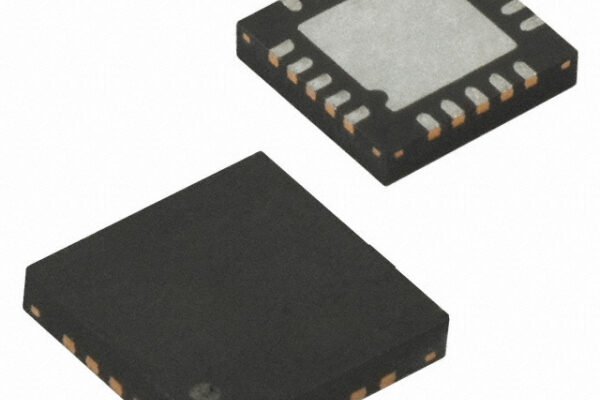
SMT is a surface mount technology fundamentally different from traditional THD (Through-Hole Device) technology. The core principle of SMT lies in attaching electronic components (such as chips, resistors, capacitors, diodes, etc.) directly onto the surface of a PCB (Printed Circuit Board) substrate, rather than inserting them through holes in the board. The advantages of this method include higher assembly density, shorter production cycles, and lower manufacturing costs. With SMT, components can be arranged more compactly on the board, enhancing circuit complexity and performance.
2. Key Elements of SMT
To understand SMT, several key elements must be considered:
- PCB Design
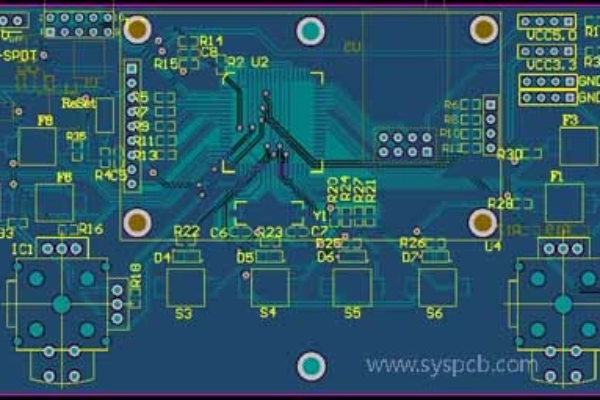
Precise PCB design is essential before SMT manufacturing to determine component placement and connectivity. This process requires engineers to be familiar with circuit schematics and layout rules.
- SMT Machine
The SMT machine is the core equipment used to accurately place components on the PCB. It features highly precise positioning systems and can complete large volumes of placement tasks in a very short time.
- Soldering Process
Once components are placed on the board, soldering is required to secure them firmly in place. Reflow ovens, using hot air or infrared radiation, are typically employed for this process.
- Quality Control
Quality control is critical throughout the manufacturing process. Visual inspection, X-ray testing, and automated inspection systems ensure that all components are correctly placed and soldered with high quality.
II. Practical Process of SMT Prototyping in Shenzhen
In Shenzhen, SMT prototyping has become a core business for many electronics manufacturers, providing high-quality prototype PCB manufacturing services to clients. The general process of SMT prototyping is as follows:
1. Requirement Analysis:
The client first engages in detailed requirement analysis with the SMT service provider, covering circuit schematics, component lists, placement requirements, etc. Through thorough communication, both parties ensure alignment on PCB project expectations.
2. PCB Design:
If the client does not have an existing PCB design, the SMT service provider can assist with PCB design or modify existing designs to meet SMT requirements. This includes tasks such as component layout, panelization, pad design, and routing rules.
3. Component Procurement:
Once the PCB design is finalized, the SMT service provider assists the client in procuring the required electronic components. They typically have established partnerships with multiple suppliers to ensure access to high-quality components.
4. SMT Assembly:
SMT equipment is configured to meet the specific requirements of the project. The SMT machine then accurately places components on the board based on the pick and place file. This process is highly automated, fast, and precise.
5. Quality Control:
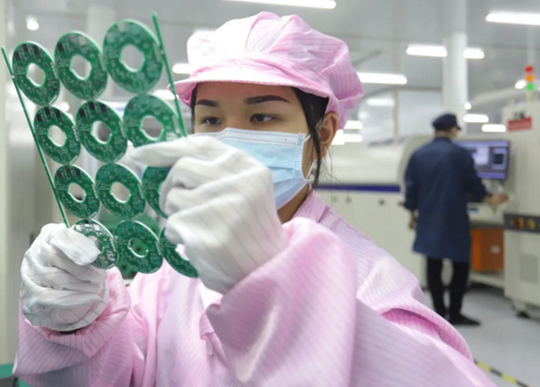
After placement, strict quality control is conducted. Visual inspection, AOI inspection, X-ray testing, and other methods are used to ensure all components are correctly placed and soldered with high quality.
6. Sample Delivery:
Once SMT manufacturing is completed and passes quality control, the samples are delivered to the client for testing and validation. The client can provide feedback for modifications or improvements as needed.
7. Mass Production:
If the samples are approved by the client, SYS Technology, as a leading brand in SMT prototyping, can proceed with large-scale mass production to meet the client’s market demands.
III. Importance of SMT Prototyping
The significance of SMT lies in its role in driving the electronics manufacturing industry. Here are several key aspects:
1. Improved Production Efficiency:
The automated nature and high-speed production process of SMT significantly enhance production efficiency, reduce production cycles, and lower manufacturing costs. This enables companies to bring PCBA products to market faster and respond to customer demands more effectively.
2. Increased Assembly Density:
SMT allows more components to be installed in a limited space, enhancing the functionality and performance of electronic products. This is crucial for the miniaturization and lightweight design of modern electronic devices, and SMT provides strong support for achieving these goals.
3. Cost Reduction:
SMT reduces manual operations and material waste, thereby lowering manufacturing costs and enhancing competitiveness. Cost reduction enables companies to price their products more attractively and capture a larger market share.
4. Enhanced Quality:
The high level of automation and strict quality control in SMT minimizes human errors, improving manufacturing quality and reliability. This is particularly critical in high-stakes applications, such as medical devices and aerospace products, which demand exceptionally high-quality and stable components.
5. Driving Innovation:
The continuous development and innovation of SMT technology drive progress in the electronics industry. New materials, advanced components, higher integration levels, and smaller sizes are all outcomes of SMT’s evolution, providing vast possibilities for innovation. Electronics manufacturers in Shenzhen play a leading role in this field, driving global innovation in electronics.
IV. Conclusion
SMT has become an indispensable part of electronics manufacturing, especially in Shenzhen, a hub of technological innovation. Its importance lies in improving production efficiency, increasing assembly density, reducing costs, enhancing quality, and driving innovation. As technology continues to evolve and markets develop, SMT will remain a key driver of progress and innovation in electronic products, solidifying and strengthening Shenzhen’s leadership in electronics manufacturing. The SMT prototyping industry in Shenzhen will continue to provide critical manufacturing support for electronic products across various sectors, contributing to the development of future technologies.