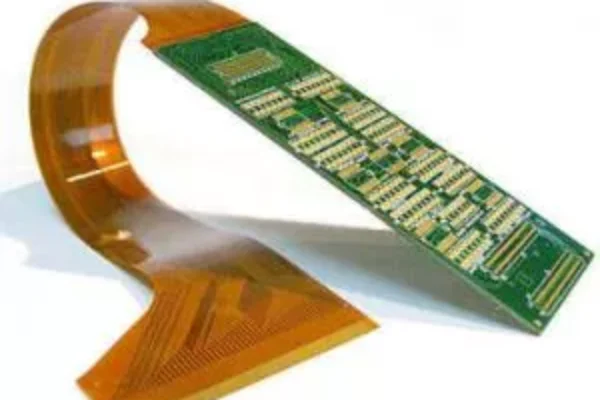
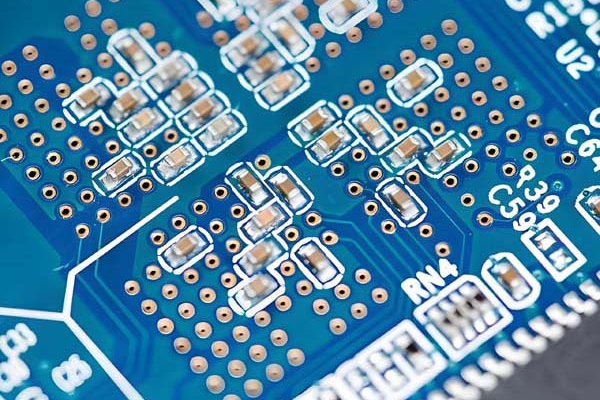
In the electronics manufacturing industry, SMT assembly is an indispensable component. However, many people find the pricing structure of SMT assembly confusing. This article will provide a detailed analysis of the factors influencing SMT assembly costs from multiple perspectives, helping readers gain a clearer understanding of this field.
Table of Contents
1. Component Costs
One of the primary costs in SMT processing is the price of SMT components, including resistors, capacitors, IC chips, etc. It is best to provide a BOM (Bill of Materials) along with relevant process requirements.
Prices vary depending on component type, package, brand, and procurement channels. SMT assembly manufacturers can offer component procurement services, or clients may choose to source components themselves.
2. PCB Complexity
The complexity of the PCB significantly impacts SMT processing costs. Multilayer boards, high-density component layouts, micro-sized packages, and complex circuit structures increase the workload and difficulty of SMT processing, leading to higher costs.
3. Quantity
Production quantity is another key factor determining SMT processing costs. Generally, large-volume production results in a lower cost per point, as fixed costs are distributed across more components. Small-batch production or custom projects often incur higher costs. For PCB prototyping, fixed-price contracting can also be used to estimate processing costs.
4. Technical Requirements
Special technical requirements, such as BGA (Ball Grid Array) packaging, precise positioning of ultra-miniature components, or the use of lead soldering processes, can increase costs. BGA packaging requires specialized reflow ovens and precise automated positioning equipment to ensure proper soldering. Lead soldering involves special handling, including the use of lead solder materials, which also adds to the cost. If DIP (Dual In-line Package) post-soldering is required, the cost is typically calculated per solder joint or per component. These additional steps increase the overall SMT processing cost.
5. Quality Requirements
High-quality and reliability requirements introduce additional quality control and testing steps, such as ICT (In-Circuit Testing) and FCT (Functional Testing). These steps typically require more time and labor, thereby increasing the cost per point.
6. Packaging and Shipping Costs
The delivery region also impacts pricing. Shipping costs vary across regions, especially for large-volume SMT processing products, packaging and transportation expenses may differ accordingly.
Conclusion
In summary, the cost in SMT processing is determined by multiple factors, including component costs, PCB complexity, production quantity, technical requirements, quality requirements, and packaging and shipping. When selecting an SMT processing supplier, clearly define project specifications and requirements, and communicate thoroughly with the manufacturer to obtain accurate quotations. This will help ensure cost-effectiveness and successful project completion.
If you need pricing for SMT assembly and DIP processing, SYS Technology is available 24/7 to assist you. Contact us immediately or request an online quote to receive a detailed quotation.