In PCB manufacturing, surface finish plays a crucial role in ensuring reliable performance, component integrity, and overall durability. The surface finish refers to the layer of material applied to the copper traces of the PCB to protect them from oxidation, ensure good solderability, and meet the required electrical and mechanical properties. With a variety of surface finishes available, selecting the right one for a specific application is vital. This blog provides an overview of the importance, types, and performance criteria for PCB surface finishes.
Table of Contents
Importance of PCB Surface Finish
Protects Against Oxidation: Copper is highly reactive and can oxidize over time, leading to poor electrical conductivity and reliability. Surface finishes provide a protective barrier to prevent oxidation.
Enhances Solderability: A good surface finish ensures that solder adheres to the PCB pads during assembly. Without proper solderability, the PCB assembly process can lead to poor connections and defective components.
Improves Long-Term Durability: Surface finishes not only protect against oxidation but also improve the long-term reliability of PCBs by ensuring that the pads and traces remain intact over time, even under harsh conditions.

Electrical Performance: For high-frequency or high-speed PCBs, the surface finish can impact signal integrity. A smooth, well-applied finish can reduce signal interference and losses.
Types of PCB Surface Finishes
HASL (Hot Air Solder Leveling)
- HASL is one of the most common surface finishes. It involves dipping the PCB into molten solder, followed by passing it through hot air to remove excess solder, leaving a thin, even layer on the copper pads. It is cost-effective but can be inconsistent in quality for fine-pitch components.
ENIG (Electroless Nickel Immersion Gold)
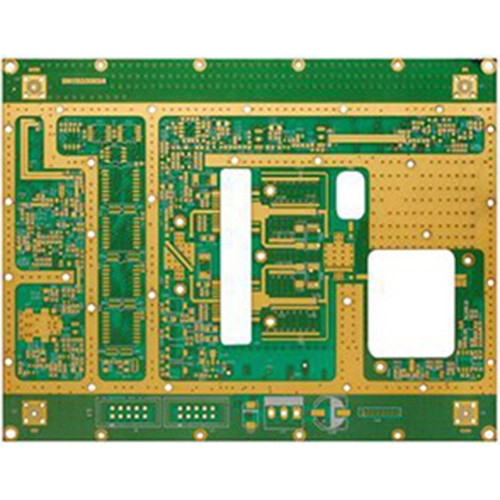
- ENIG is a popular choice for high-performance and high-reliability applications. It involves a two-step process: applying a layer of nickel to the copper pads, followed by a layer of gold. ENIG offers excellent solderability, corrosion resistance, and is ideal for fine-pitch components due to its smooth surface.
OSP (Organic Solderability Preservative)
OSP is a thin organic coating that protects copper pads from oxidation. This finish is environmentally friendly and cost-effective but is not as durable as other finishes. OSP is commonly used in low-cost, single-use PCBs.
Immersion Silver (IS)
Immersion silver involves immersing the PCB in a silver-plating bath. It provides excellent solderability and is commonly used for PCBs that require surface finishes with low oxidation rates. However, it is prone to tarnishing over time and may require special handling.
Immersion Tin (IT)
Immersion tin is a process similar to immersion silver but uses tin instead of silver. It provides a flat, smooth surface and is often used for fine-pitch components. However, it is more susceptible to wear and corrosion compared to other finishes like ENIG.
ENEPIG (Electroless Nickel Electroless Palladium Immersion Gold)
- ENEPIG is a more advanced finish that provides additional corrosion resistance and improved performance in high-reliability applications. It involves a combination of nickel, palladium, and gold layers, ensuring superior solderability and durability.
Performance Criteria for Surface Finish Selection
When choosing the appropriate surface finish, several performance criteria should be considered:
Solderability: The ability of the surface finish to allow solder to properly bond with the PCB pads during assembly. High-quality finishes like ENIG and ENEPIG excel in this area.
Durability: Some surface finishes, such as HASL, offer less resistance to wear and tear, while others like ENEPIG or ENIG provide longer-lasting protection, especially in harsh environmental conditions.
Cost: HASL is the most cost-effective surface finish, while ENIG and ENEPIG tend to be more expensive due to the complex processes involved.
Environmental Considerations: OSP and immersion finishes like Immersion Tin and Immersion Silver are often considered more environmentally friendly due to their use of fewer toxic chemicals compared to HASL.
Application-Specific Needs: For high-speed and high-frequency PCBs, finishes like ENIG or ENEPIG are ideal due to their excellent performance in reducing signal interference. For general consumer electronics, HASL or OSP may suffice.
Conclusion
The choice of PCB surface finish significantly impacts the performance, reliability, and longevity of the final product. Selecting the right surface finish involves balancing factors such as cost, durability, solderability, and environmental impact. While HASL offers a cost-effective solution for simpler applications, finishes like ENIG and ENEPIG are better suited for high-performance, high-reliability products. By understanding the different types of surface finishes and their associated benefits, manufacturers can make informed decisions that enhance the quality and functionality of their PCBs.
Get your exclusive quote immediately: fill out the form or send an email directly.As a professional PCB manufacturer for hobbyist , we will provide you with a quote service within 24 hours. Enjoy free DFM optimization and a 10% discount on SMT patches for your first order!