With the acceleration of electrification, intelligence, and networking in the automotive industry, the importance of printed circuit boards (PCBs) as the core Automotiverier of electronic systems in the automotive field is becoming increasingly prominent. This article will explore the key role and future trends of PCB in automotive electronics from four aspects: application fields, process characteristics, technical difficulties, and development prospects.
Table of Contents
1、 Application areas of automotive PCB
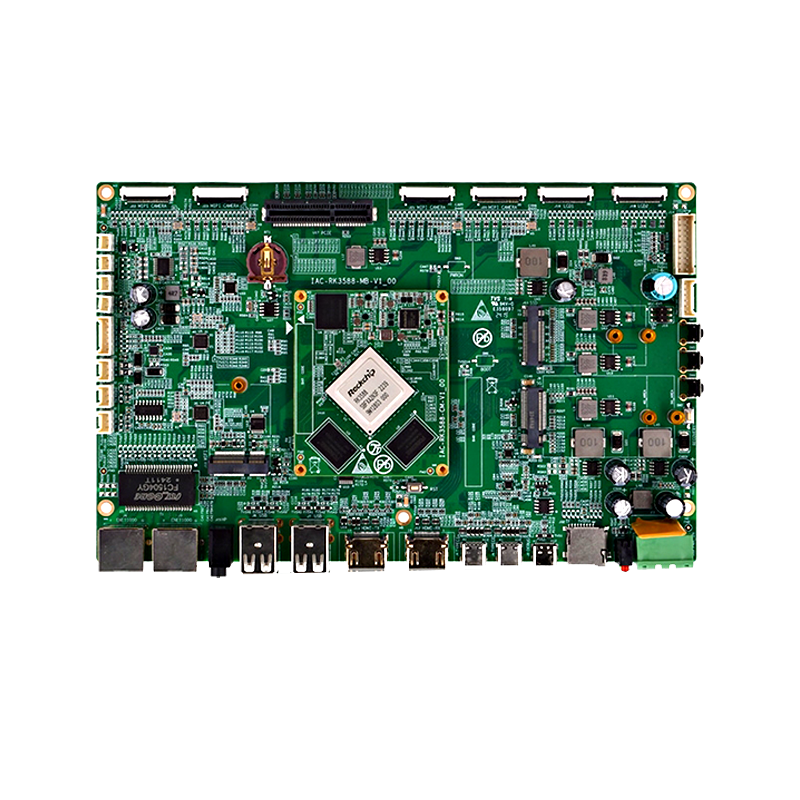
The application scenarios of PCB in automotive electronics have expanded from traditional power control and body electronics to new energy vehicles and intelligent driving systems.
Power control system
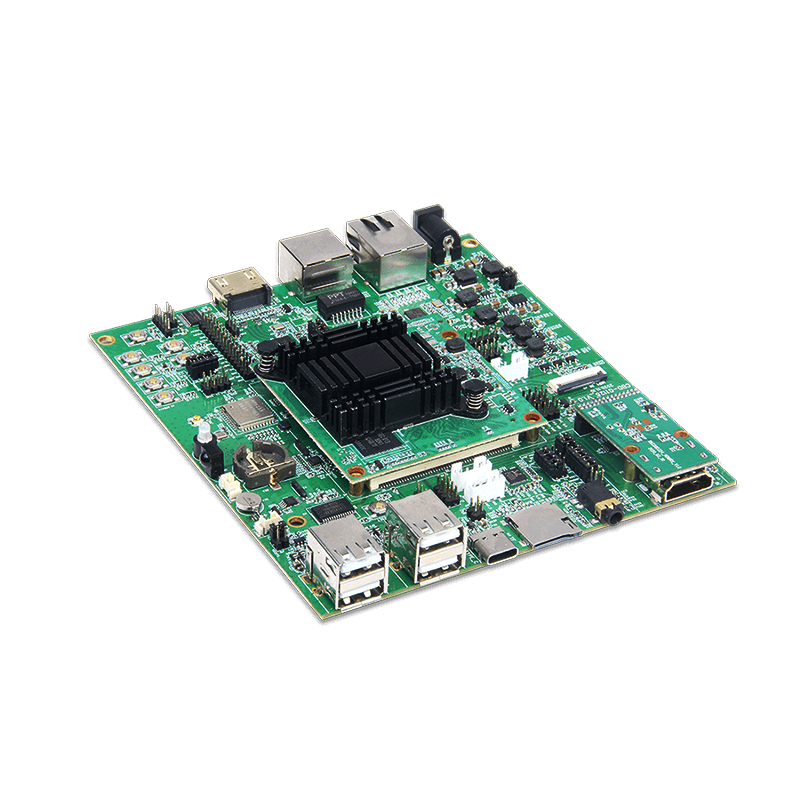
including engine control unit (ECU), transmission control module, etc. PCB is mainly used for signal processing and control in traditional fuel vehicles; The addition of core components such as battery management systems (BMS), on-board chargers (OBC), and inverters in new energy vehicles has significantly increased the demand for multi-layer boards and HDI boards, with single vehicle PCB usage reaching 45 times that of traditional fuel vehicles.
Intelligent driving system
ADAS (Advanced Driver Assistance System) relies on sensors such as millimeter wave radar, cameras, and LiDAR, and its high-frequency signal transmission requires the use of high-frequency PCB materials (such as Rogers RO4350B). At the same time, HDI boards have become the mainstream choice due to their high-density wiring capabilities.
Vehicle electronics and information entertainment
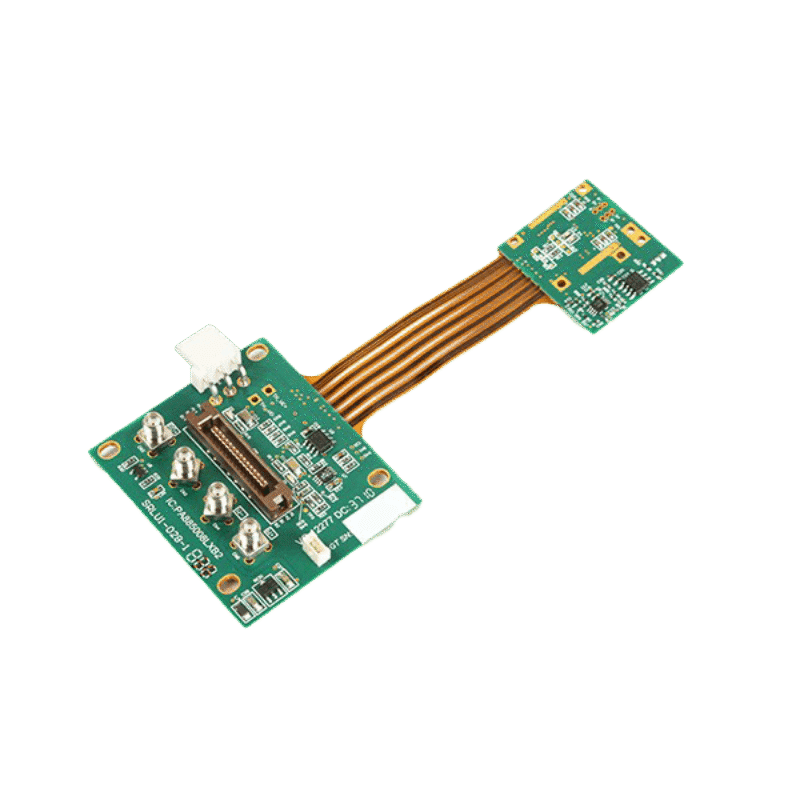
Flexible PCB (FPC) and rigid flexible combination board are widely used in Automotive light control, dashboard, in Automotive navigation, and multi screen interactive systems to cope with complex spatial layout and lightweight requirements.
2、 High reliability and customization requirements for automotive PCB
Vehicle mounted PCBs must meet strict reliability standards (such as AECQ100, IATF 16949), and their process characteristics include:
Automotive PCB Multilayer board and HDI technology
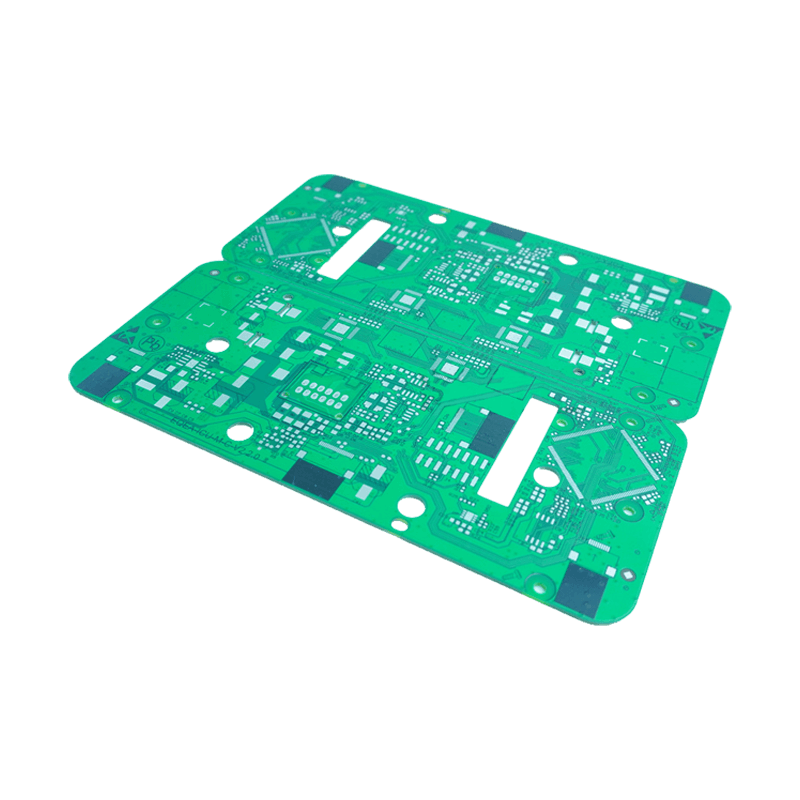
The electronic control system of new energy vehicles requires more than 6 layers of multilayer boards, while intelligent driving sensors rely on HDI boards with more than 10 layers, with a minimum line width of 3mil (0.076mm) and an aperture of 0.2mm, to achieve high-density interconnection.
High frequency and high heat dissipation materials
5G communication modules and millimeter wave radar use high-frequency copper-clad laminates (such as Megtron 6), and metal substrates (such as aluminum substrates) for high-power LED Automotive light heat dissipation.
Flexible Circuit Board (FPC)
Used for dynamic components such as seat adjustment and central control screen, it has anti vibration and anti bending characteristics, and has been widely used by Automotive companies such as Tesla.
3、 Technical difficulty: Performance challenges in harsh environments
Vehicle mounted PCBs need to operate stably under complex working conditions such as high temperature, vibration, and electromagnetic interference. The main technical difficulties include:
Reliability verification
The certification period for vehicle specifications is up to 13 years, and it needs to pass temperature cycling (40 ℃~150 ℃), mechanical vibration and other tests to ensure a lifespan of over 10 years.
Signal integrity
High frequency signal transmission is susceptible to interference, and impedance matching and electromagnetic shielding design need to be optimized, such as using microstrip or strip line structures.
Heat dissipation and lightweighting
High current components (such as BMS) require thick copper design (above 6oz), while improving heat dissipation efficiency through buried copper block technology, taking into account lightweight requirements.
4、 Development prospects of automotive PCB: electrification and intelligent dual wheel drive
Automotive PCB Market growth
It is expected that the global automotive PCB market size will increase from 8.84 billion US dollars in 2022 to 13.39 billion US dollars in 2030, with a CAGR of 5.6%. As the largest market for new energy vehicles in China, the output value of automotive PCBs is expected to exceed 100 billion yuan by 2025, with HDI and high multilayer boards accounting for over 30%.

Automotive PCB Technological Trends:
High integration
Vehicle domain controllers drive the development of vehicle PCBs towards higher layers (above 16 layers) and embedded component technology;
Material innovation
Low loss high-frequency materials and ceramic substrates will be applied to 6G vehicle networking and LiDAR;
Green Manufacturing
Lead free process and environmentally friendly copper-clad laminates (such as halogen-free materials) respond to Automotivebon neutrality policies.
conclusion
As the cornerstone of automotive electronics, in Automotive PCBs are forming a positive cycle of technological upgrades and market demand. In the future, with the deep integration of AI computing power, autonomous driving, and new energy technology, automotive PCBs will move towards higher performance and stricter standards, and manufacturers with technological reserves and rapid response capabilities will lead this wave of change.