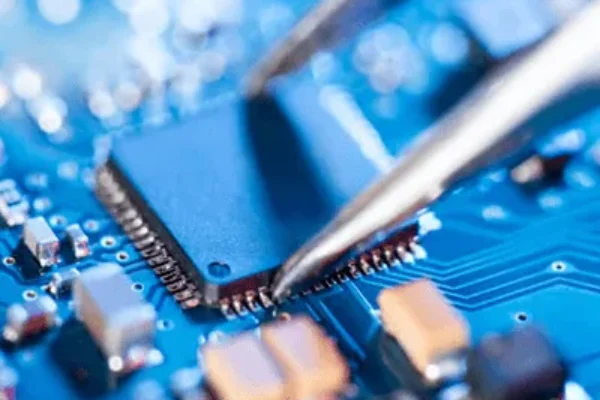
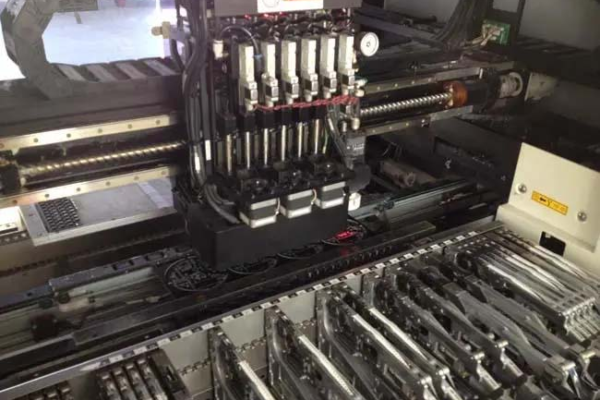
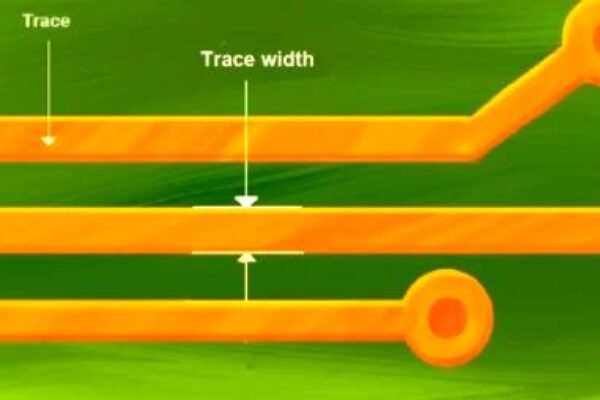
Printed Circuit Boards (PCBs) are the backbone of modern electronics, and the choice of substrate material directly impacts performance, reliability, and cost. From consumer gadgets to aerospace systems, selecting the right PCB material is critical. This guide covers the most common PCB substrates, their properties, and typical applications to help you make informed decisions for your projects.
Table of Contents
1. FR-4 (Glass Epoxy)
Properties:
– Electrical Insulation: Excellent insulating properties with relatively low dielectric constant (Dk) and loss tangent (Df).
– Mechanical Strength: High durability and stability, capable of withstanding mechanical stress.
– Thermal Resistance: Good heat resistance, compliant with UL94 V-0 flame retardancy standards.
– Cost-Effectiveness: Ideal for high-volume production due to low cost.
Applications:
– Consumer electronics (e.g., smartphones, computers)
– Communication devices and household appliances
– Industrial control systems
Limitations:
– Moderate thermal conductivity compared to specialized materials.
2. Ceramic Substrates
Properties:
– High Thermal Conductivity: Efficient heat dissipation, with aluminum nitride (AlN) offering 135–175 W/(m·K).
– High-Temperature Stability: Suitable for extreme environments with low thermal expansion.
– Electrical Performance: Excellent insulation and high-voltage tolerance.
– Brittleness: Prone to cracking under mechanical stress.
Applications:
– High-power LED lighting
– RF/microwave communication systems
– Aerospace and military electronics
– Automotive high-power modules
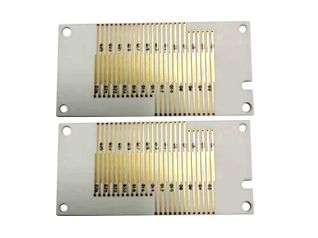
3. Metal-Core substrates (e.g., Aluminum, Copper)
Properties:
– Thermal Management: Excellent heat dissipation; aluminum substrates have thermal conductivity up to 2.0 W/(m·K), while copper is higher.
– Mechanical Strength: Robust and durable, suitable for high-power designs.
– Cost: Aluminum is cheaper than copper but less conductive.
Applications:
– LED lighting systems
– Power supplies and automotive electronics
– Industrial power equipment
4. Polyimide (PI) Substrates
Properties:
– Flexibility: Can be bent or folded, ideal for flexible PCBs (FPCs).
– High-Temperature Resistance: Stable performance in extreme conditions.
– Lightweight: Reduces overall system weight.
Applications:
– Flexible displays and wearable devices
– Medical electronics
– High-density interconnect (HDI) boards
5. High-Frequency substrates (e.g., Rogers, PTFE)
Properties:
– Low Dielectric Loss: Minimal signal attenuation at high frequencies.
– Stable Dk/Df: Consistent performance in RF/microwave applications.
– Cost: Higher than FR-4 due to specialized materials.
Applications:
– 5G base stations and radar systems
– High-speed communication devices
– Satellite and aerospace systems
6. BT Resin substrates
Properties:
– Low Dk/Df: Suitable for high-speed signals.
– Thermal Stability: Performs well in high-temperature environments.
– Mechanical Rigidity: Offers good strength and heat resistance.
Applications:
– High-frequency and RF circuits
– Communication equipment
Selection Criteria for PCB Substrates
When choosing a PCB material, consider the following factors:
1. Electrical Properties: Dielectric constant (Dk), loss tangent (Df), and insulation resistance.
2. Thermal Management: Thermal conductivity and coefficient of thermal expansion (CTE).
3. Mechanical Requirements: Flexibility, rigidity, and weight.
4. Environmental Conditions: Resistance to heat, moisture, and chemicals.
5. Cost: Balance between performance and budget.
Emerging Trends and Future Directions
- High-Thermal-Conductivity Materials: Demand for better heat dissipation in AI servers and high-power electronics is driving innovation in ceramic and metal-core substrates.
- High-Frequency Materials: With the rollout of 5G and IoT, low-loss substrates like PTFE and Rogers are becoming critical.
- Sustainability: Development of eco-friendly materials compliant with RoHS regulations.
Conclusion
Selecting the right PCB substrate is essential for optimizing performance, reliability, and cost-efficiency. Whether you need the versatility of FR-4, the thermal performance of ceramic, or the flexibility of polyimide, understanding material properties and applications is key to success.
At SysPCB, we provide expert guidance and manufacturing services to help you choose the ideal PCB substrate for your projects. Contact us today to optimize your designs for any application!