Table of Contents
Introduction: The Fundamental Role of Materials in PCB Manufacturing
The printed circuit board (PCB) industry serves as the foundational backbone of modern electronics, earning its reputation as the “mother of the electronics industry” . Behind every sophisticated PCB lies a complex ecosystem of raw materials that collectively determine the board’s performance, reliability, and cost structure. Understanding these core materials is not merely an academic exercise—it represents a strategic imperative for PCB manufacturers seeking to optimize their designs, control costs, and maintain competitive advantage in an increasingly demanding marketplace.
This comprehensive guide delves deep into the essential raw materials that form the building blocks of PCB manufacturing, providing detailed insights into their properties, applications, and market dynamics. From the ubiquitous copper foil that facilitates electrical connectivity to the specialized resin systems that provide structural integrity and electrical isolation, we explore the material science that enables today’s increasingly sophisticated electronic devices.
1. PCB Industry Chain Overview
1.1 The Three-Tiered Structure
The PCB manufacturing ecosystem operates through a clearly defined three-tiered structure:
•Upstream: Raw material suppliers providing glass fiber, copper foil, and various resin systems
•Midstream: Copper-clad laminate (CCL) manufacturers and PCB fabricators who transform these materials into finished boards
•Downstream: Electronics manufacturers across diverse sectors including consumer electronics, automotive systems, communication equipment, and industrial applications
1.2 Cost Structure Analysis
Understanding the cost distribution of PCB materials is crucial for effective cost management and strategic planning:
Table: PCB Material Cost Distribution
| Material Category | Percentage of Total Cost | Key Components |
| Copper-Clad Laminate (CCL) | 27.31% | Copper foil, resin, glass fiber |
| Semi-Cured Sheets (Prepreg) | 13.8% | Resin-impregnated glass fiber |
| Copper Foil | 1.39% | Electrolytic copper foil, rolled copper foil |
| Other Materials | Varies | Dry film, gold salts, solder mask, ink |
This cost structure highlights the dominant position of CCL in PCB material economics, making it a primary focus for cost optimization and performance enhancement initiatives.
2. Copper-Clad Laminate: The Heart of PCB Materials
2.1 Composition and Manufacturing Process
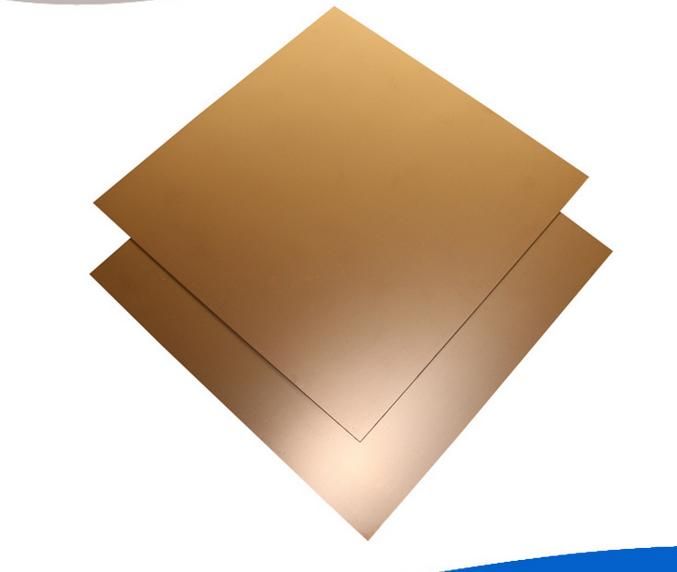
Copper-clad laminate (CCL) represents the fundamental building block of all PCBs, consisting of three primary components:
•Copper Foil: Serves as the conductive layer for circuit patterns
•Reinforcing Material: Typically glass fiber cloth that provides mechanical strength
•Resin System: Acts as the binding agent and electrical insulator
The manufacturing process involves impregnating the reinforcing material with resin to create a prepreg (B-stage) material, which is then layered with copper foil and subjected to high temperature and pressure to form the final C-stage laminate .
2.2 CCL Classification Systems
CCL products can be categorized based on different criteria:
By Reinforcement Material:
– Glass Fiber Based: The most common type, with FR-4 being the industry standard
– Paper Based: Used for lower-cost applications
– Composite Base: Combines different reinforcement materials
By Resin System:
– Epoxy Resin: Dominates the market due to its balance of properties and cost-effectiveness
– Phenolic Resin: Used in specific applications
– Polyimide (PI): Essential for flexible circuits with superior thermal resistance
– Polytetrafluoroethylene (PTFE): Preferred for high-frequency applications
3. Deep Dive into Core Raw Materials
3.1 Copper Foil: The Conductive Pathway
3.1.1 Types and Characteristics
Copper foil serves as the conductive nervous system of the PCB, carrying signals and power throughout the board. The two primary types include:
•Electrolytic Copper Foil: Produced through electrochemical deposition, representing the majority of PCB applications
•Rolled Copper Foil: Manufactured through physical rolling processes, offering superior flexibility and surface smoothness, particularly important for flexible circuits
Table: Copper Foil Comparison for Different Applications
| Parameter | Electrolytic Copper Foil | Rolled Copper Foil |
| Primary Applications | Rigid PCBs, general purpose | Flexible circuits, fine-pitch applications |
| Surface Roughness | Higher | Lower, smoother surface |
| Flexibility | Limited | Excellent |
| Cost Structure | More economical | Premium pricing |
| Market Availability | Widely available from multiple suppliers | Limited suppliers, predominantly Japanese |
3.1.2 Market Landscape and Trends
Taiwanese manufacturers currently dominate the global electrolytic copper foil market, with companies like Nan Ya and Chang Chun leading production . However, Japanese suppliers maintain a strong position in high-end rolled copper foil, particularly for flexible applications .
The ongoing development of 5G communications has accelerated demand for specialized copper foils with low surface roughness and improved high-frequency characteristics . Additionally, the emergence of composite copper foils represents an innovative approach, with the market projected to reach approximately 29.15 billion RMB by 2025 .
3.2 Glass Fiber: The Structural Backbone
3.2.1 Composition and Manufacturing
Glass fiber provides the mechanical foundation that gives PCBs their structural integrity and dimensional stability. The manufacturing process involves:
•Raw Material Processing: Melting raw materials including silica sand, limestone, and other minerals at high temperatures
•Fiber Drawing: Pulling the molten material through microscopic holes to create continuous filaments
•Weaving: Interlacing the filaments into glass fiber cloth of various weights and thicknesses
3.2.2 Market Dynamics and Developments
Taiwan has emerged as a global leader in glass fiber production, with companies like Nan Ya and Taiwan Glass occupying dominant positions in the supply chain . Recent material innovations have focused on developing low dielectric constant glass fibers and low thermal expansion varieties to meet the demanding requirements of advanced applications such as IC substrates and high-speed digital circuits .

3.3 Resin Systems: The Binding Force
3.3.1 Major Resin Types and Applications
Resin systems serve as the matrix that binds the reinforcement materials together while providing electrical insulation.
Epoxy Resin:
– Market Position: The workhorse of the PCB industry, particularly for FR-4 materials
– Key Advantages: Excellent adhesion, balanced electrical properties, and cost-effectiveness
– Limitations: Moderate thermal and high-frequency performance
Polyimide (PI) Resin:
– Special Properties: Exceptional thermal stability with glass transition temperatures approaching 380°C
– Primary Applications: Flexible circuits, high-temperature environments
– Supply Landscape: Historically dominated by international players like DuPont, with increasing participation from Taiwanese manufacturers such as Taimei Technology
Polytetrafluoroethylene (PTFE):
– Key Characteristics: Outstanding high-frequency performance with low dielectric constant and dissipation factor
– Applications: Radar systems, millimeter-wave applications, 5G infrastructure
– Processing Challenges: More difficult manufacturing process compared to standard epoxy systems
3.3.2 Emerging Trends in Resin Technology
The ongoing miniaturization and performance escalation in electronics has driven development of specialized resin formulations including:
•Halogen-Free and Lead-Free Formulations: Responding to increasing environmental regulations
•Low-Dielectric Constant Variants: Optimized for high-speed digital and RF applications
•High-Thermal Reliability Formulations: Addressing the demanding thermal management requirements of power electronics and advanced packaging
4. Specialized Materials for Advanced Applications
4.1 Materials for IC Substrates
IC substrates represent one of the most technologically demanding and rapidly growing segments of the PCB market, with unique material requirements:
•Dimensional Stability: Critical for fine-pitch semiconductor interconnections
•Thermal Performance: Essential for dissipating heat from high-power chips
•Electrical Characteristics: Low loss and controlled impedance at high frequencies
While Taiwanese CCL manufacturers have made significant progress in developing materials for IC substrates, Japanese suppliers including Mitsubishi Gas Chemical and Resonac continue to dominate the high-end segment .
4.2 Flexible Circuit Materials
The growing adoption of flexible electronics across applications from smartphones to automotive systems has driven increased demand for specialized flexible circuit materials:
•Polyimide Films: Remain the dominant material for flexible circuits, offering an optimal balance of flexibility, thermal resistance, and mechanical strength
•Flexible Copper-Clad Laminates (FCCL): Manufacturers like Taihong and Asian Electronic Materials have established strong positions in this growing market
•Adhesive Systems: Specialized formulations that maintain adhesion under flexing conditions
5. Market Outlook and Future Trends
5.1 Global Market Projections
The PCB industry continues to demonstrate robust growth, with the global market projected to reach approximately $96.8 billion by 2025, driven primarily by demand from AI servers, automotive electronics, and communication infrastructure . This growth trajectory reflects a compound annual growth rate of approximately 5.56% from 2024 to 2025 .
Regional analysis reveals Taiwan’s continued importance in the global PCB ecosystem, with projected 2024 production value reaching approximately NT$763.43 billion . This represents a growth rate of approximately 6.11% year-over-year, underscoring the region’s resilience and adaptability in a dynamic global market.
5.2 Emerging Material Innovations
The future of PCB materials will be shaped by several key technological developments:
•Advanced Thermoset Materials: Modified poly(phenylene ether) and other resin systems offering improved high-frequency performance
•Ceramic-Filled Composites: Delivering enhanced thermal management capabilities for power electronics
•Low-Loss Materials: Optimized for millimeter-wave applications beyond 5G
•Sustainable Formulations: Addressing environmental concerns through reduced hazardous substances and improved recyclability
The competitive landscape for PCB materials continues to evolve, with manufacturers increasingly focusing on product differentiation through specialized formulations rather than competing solely on price. This trend is particularly evident in high-growth segments such as high-speed digital, RF/microwave, and advanced packaging applications.
Conclusion: Strategic Implications for PCB Manufacturers
The complex interplay of materials in PCB manufacturing represents both a challenge and an opportunity for industry participants. Success in this dynamic environment requires:
1.Technical Mastery: Deep understanding of material properties and their impact on final product performance
2.Supply Chain Diversification: Strategic relationships with multiple material suppliers to ensure security of supply
3.Technology Roadmapping: Anticipating material requirements for emerging applications and investing in appropriate capabilities
4.Cost Management: Balancing performance requirements with economic considerations through strategic material selection
As the electronics industry continues its relentless advancement, the importance of PCB materials will only increase. From the development of 6G communication infrastructure to the proliferation of artificial intelligence at the edge, each technological leap forward will demand corresponding advances in the fundamental materials that enable these systems.
PCB manufacturers who invest in developing deep expertise in material science and establishing robust supply chain relationships will be best positioned to capitalize on these emerging opportunities, driving innovation while maintaining competitive advantage in an increasingly demanding global marketplace.