PCB Board (Printed Circuit Board) is the support and electrical connection carrier of electronic components, which achieves signal transmission and power supply between electronic components through the combination of conductive lines and insulating substrates. It is known as the “mother of electronic products”. The following analysis will be conducted from three aspects: the definition, application areas, and development prospects of PCB:
Table of Contents
1、 Core Definition and Classification of PCB Board
1. Structure and composition
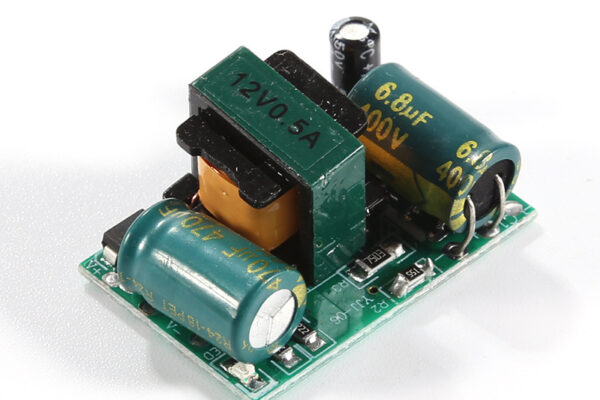
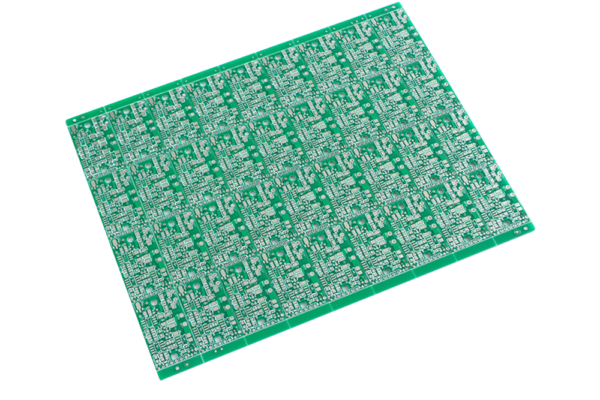
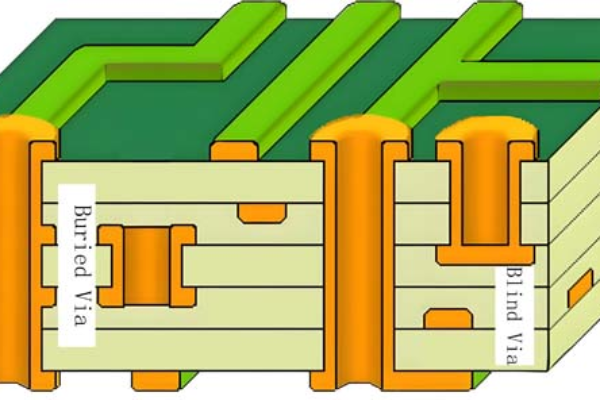
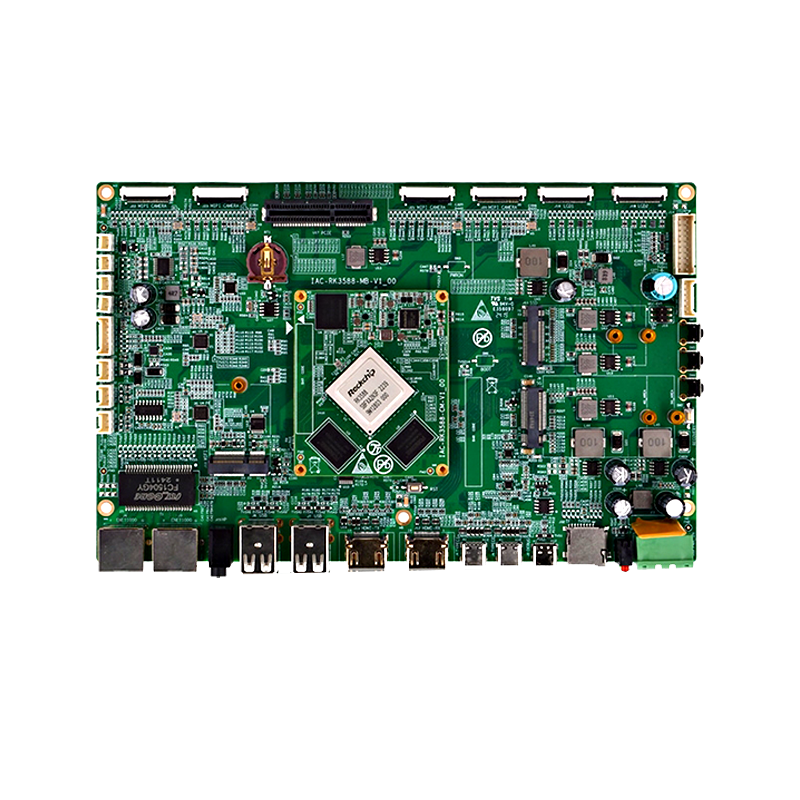
A PCB Board is composed of an insulating substrate (such as FR-4 material), conductive copper foil lines, vias, solder pads, solder mask layers, etc. It forms complex circuits through photolithography, etching, and other processes to support electronic components and achieve signal transmission.
2. Classification method
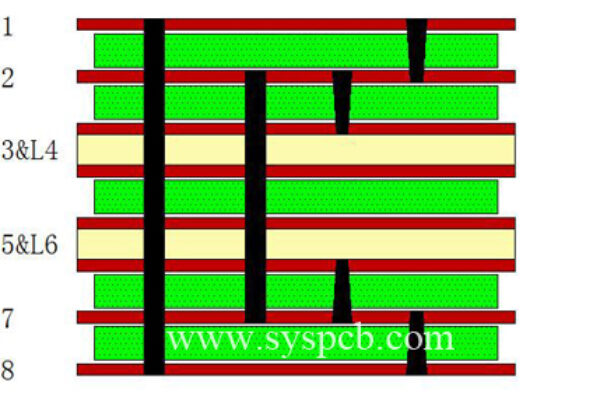
-By layer: single panel, double-sided panel, multi-layer panel (such as high multi-layer board with more than 18 layers).

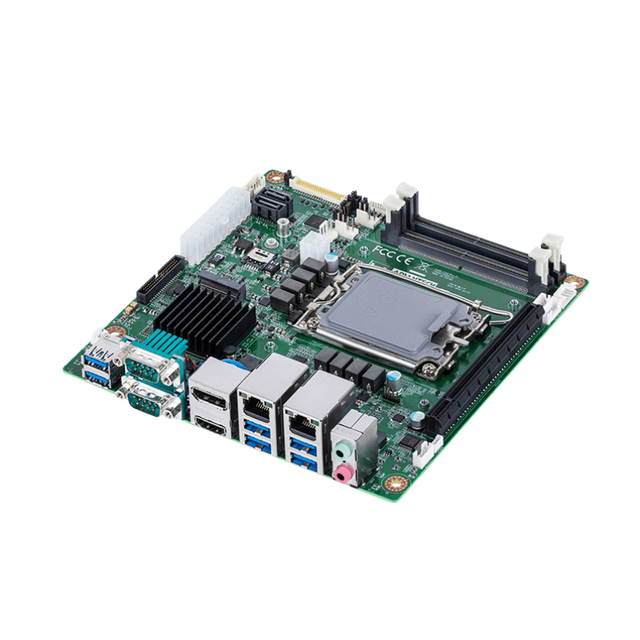
-According to material and structure: rigid board (such as computer motherboard), flexible board (such as wearable devices), rigid flex joint board (such as automotive sensors).
-By purpose: universal board, high-frequency board (5G communication), high-speed board (server), high-power board (electric vehicle).
2、 The main application areas of PCB Board
PCB covers almost all electronic devices, with core applications including:
1. Consumer electronics
-Smartphones, tablets, and other devices rely on high-density interconnect (HDI) boards to achieve lightweight design; The intelligentization of household appliances drives the demand for multi-layer boards.
2. Communication equipment
-5G base stations, optical modules, switches, etc. require high-frequency and high-speed PCBs to ensure stable signal transmission; AI servers drive the demand for 28-46 layer multi-layer boards.
3. Automotive Electronics
-The penetration rate of new energy vehicles is increasing (reaching 50% in China by 2024), and intelligent driving requires high-frequency PCBs (radar, camera) and HDI boards (domain controllers). The value of single vehicle PCBs is 3-5 times higher than that of traditional vehicles.
4. Industry and Medical
–Industrial robots and PLC control boards rely on high reliability PCBs; Medical devices such as CT machines and pacemakers require high-precision multi-layer boards.
5. Servers and Data Centers
-The demand for AI computing power drives the demand for high multi layer boards (such as 24 layers or more) and HDI boards, and the PCB value of a single AI server can reach 2-3 times that of traditional servers.
6. Aerospace and Defense
-Radar and navigation systems require high-performance PCBs that can withstand extreme environments.
3、 The Development Prospects of PCB Board Industry
1. Market demand growth
-AI and computing power: Generative AI is driving global AI server output to reach $187 billion by 2024, driving demand for high multi-layer boards (CAGR 21.1%) and HDI boards (CAGR 16.3%).
-Automotive intelligence: The market size of automotive PCB is expected to reach 11.5 billion US dollars by 2028, and the proportion of high-frequency and high-speed boards will continue to increase.
-Consumer electronics recovery: Global smartphone shipments will increase by 5% year-on-year in 2024, with home appliance subsidy policies stimulating demand.
2. Driven by technological innovation
-High frequency and high-speed materials: 5G and millimeter wave technology are driving the application of low dielectric loss substrates such as PTFE.
-Advanced processes: thick copper process (high-power equipment), half hole process (space optimization), and high-order HDI (4th order or above) have become mainstream.
3. Integration of industrial chain and regional transfer
-Southeast Asia (such as Thailand) undertakes the transfer of mid to low end production capacity, while domestic manufacturers (such as Kingboard) expand overseas and accelerate high-end substitution (such as packaging substrates).
4. Environmental Protection and Sustainable Development
-The tightening of environmental regulations is promoting the upgrading of lead-free processes and wastewater treatment technologies, and the application of green materials (such as halogen-free substrates) is increasing.
4、 Summary
Driven by emerging technologies such as AI, automotive electronics, and 5G, the PCB industry is transforming from traditional manufacturing to high-end and intelligent. In the next five years, high multilayer boards, HDI boards, and packaging substrates will become the growth core, and domestic manufacturers are expected to occupy a larger share in global competition with technological breakthroughs and cost advantages. It is expected that the global PCB Board market size will exceed 100 billion US dollars by 2028, with a compound growth rate of 4.6%.