Table of Contents
Overview of PCB Industry Structure
In the PCB industry, rigid PCBs account for approximately 70% of the market, making them the largest segment. The primary materials used in the manufacturing of rigid PCBs include:
1. Copper Clad Laminate (CCL);
2. Copper Foil;
3. Film;
4. Various Chemicals.
Key Material: Copper Clad Laminate (CCL)
Among these materials, Copper Clad Laminate (CCL) represents the highest proportion of raw material costs, typically ranging from 50% to 70% depending on the number of layers in the PCB. The core materials for CCL are fiberglass cloth and electrolytic copper.
Importance of Rigid PCBs
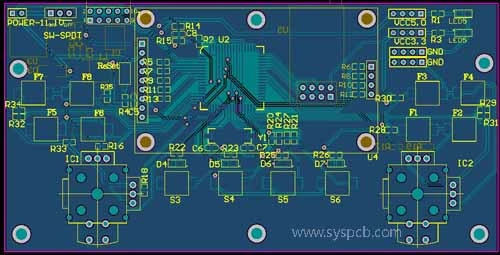
Rigid PCBs dominate the PCB industry, accounting for 70% of the market structure. The main materials required for their manufacturing include:
1. Copper Clad Laminate (CCL);
2. Copper Foil;
3. Film;
4. Chemicals.
Cost Breakdown of Rigid PCB Materials
The cost structure for rigid PCBs is heavily influenced by CCL, which can account for 50% to 70% of the total raw material costs. This variation depends on the number of layers in the PCB. The main components of the copper substrate material are fiberglass cloth and electrolytic copper foil.
Primary Materials for Rigid PCBs
Fiberglass cloth, copper, and electrolytic copper foil are essential materials for manufacturing printed circuit boards (PCBs). These materials provide the necessary structural integrity and electrical conductivity required for PCB functionality.