Table of Contents
Introduction to IPC Standards and Class 2 Specification
In the world of printed circuit board (PCB) manufacturing, IPC standards represent the universally accepted guidelines for ensuring product quality and reliability. Developed by the Institute of Printed Circuits (now officially known as the “International Electronics Manufacturing Initiative”), these standards provide critical specifications for every stage of PCB production, from design and materials to manufacturing and testing .
Among these standards, IPC Class 2 represents a specific tier of quality requirements designed for dedicated service electronic products that demand extended life cycles and uninterrupted performance. This classification is crucial for manufacturers and purchasers alike to understand, as it directly impacts product reliability, cost, and suitability for different applications .
This article provides a comprehensive overview of IPC Class 2 standards, their technical requirements, and their significance in the electronics manufacturing industry.

1.Understanding the IPC Classification System
The IPC establishes three primary product classification levels that define different quality standards based on the intended use and reliability requirements of the electronic product:
IPC Class 1: General Electronic Products
Class 1 applies to consumer electronics with relatively short life cycles where primary requirement is function rather than long-term reliability. These products include everyday consumer items where uninterrupted service is not critical, and failure would not result in significant consequences .
IPC Class 2: Dedicated Service Electronics
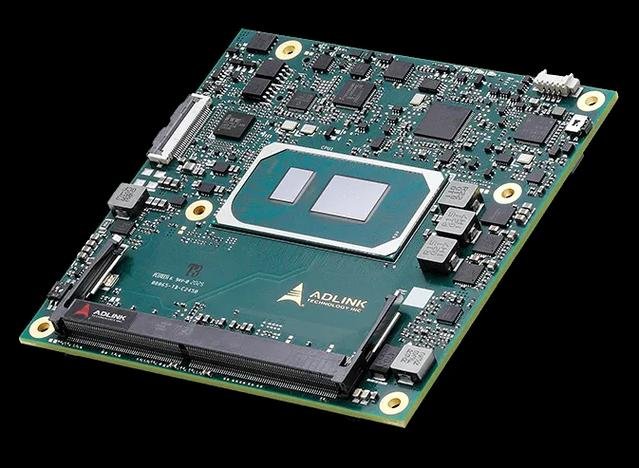
Class 2 encompasses electronic products where extended life and uninterrupted service are desirable but not critical. These products require higher reliability than Class 1 items, as failure could result in inconvenience or reduced functionality. Examples include computers, home appliances, and standard communication devices .
IPC Class 3: High-Reliability Electronics
Class 3 represents the highest level of quality standards, applicable to products where continuous performance or performance on demand is critical. These include life-support systems, military equipment, and aerospace applications where failure could have severe consequences .
Table: IPC Product Classification Overview
| Classification | Target Applications | Reliability Requirements |
| Class 1 | General consumer electronics, short-life products | Basic functionality, cost-effective |
| Class 2 | Dedicated service electronics, expected extended life | Sustained performance, reduced failure rate |
| Class 3 | High-reliability applications, critical systems | Continuous performance, zero-failure tolerance |
2.Technical Requirements of IPC Class 2 Standard
IPC Class 2 standards establish specific technical requirements that manufacturers must meet across various aspects of PCB production. These specifications ensure that the final products deliver the expected reliability and performance for their intended applications.
Design and Material Specifications
Under IPC Class 2, PCB design must follow specific guidelines regarding board dimensions, layer count, impedance control, and electromagnetic compatibility. Material selection must meet established standards for base materials, conductive layers, solder masks, and overlays .
Manufacturing Process Requirements
The manufacturing process for Class 2 PCBs must adhere to strict protocols for printing, hole drilling, plating, circuit pattern formation, and solder mask application. These requirements help maintain consistency and quality throughout production .
Quality Control and Inspection Criteria
IPC Class 2 establishes acceptable criteria for various types of imperfections, allowing for minor deviations that don’t compromise the board’s functionality or longevity. Key technical requirements include:
Copper Plating Requirements:
•Average copper thickness: 20μm
•Minimum copper thickness: 18μm
•Copper voids in plated through-holes: Maximum of 1 void per hole, with no more than 5% of holes containing voids
Solder Mask and Silkscreen Specifications:
•Slight ink accumulation outside character lines is acceptable if legibility is maintained
•Component orientation symbols may have partial outline loss if still identifiable
Dimensional Tolerances:
•Annular ring requirements for supported holes: Breakout up to 90° is acceptable
•For non-supported holes: Minimum annular ring of 0.15mm in any direction
•Etch-back requirements: Negative etch-back limited to 0.025mm
3.Key Differences Between IPC Class 2 and Class 3 Standards
Understanding the distinctions between Class 2 and the more rigorous Class 3 standards is essential for selecting the appropriate classification for your application.
Copper Thickness and Plating Requirements
While Class 2 allows for an average copper thickness of 20μm, Class 3 requires a minimum of 25μm. Similarly, the minimum copper thickness requirement increases from 18μm for Class 2 to 20μm for Class 3 .
Acceptability of Imperfections
Class 2 allows for certain imperfections that would be unacceptable under Class 3 standards. For example, Class 2 permits some copper voids in plated through-holes, while Class 3 typically requires void-free holes .
Inspection and Testing Protocols
Class 3 boards undergo more rigorous testing, including X-ray inspections for internal layer defects, cross-sectioning tests, and comprehensive electrical testing. Class 2 boards have less stringent inspection requirements, making them more cost-effective to produce .
Table: Key Technical Differences Between Class 2 and Class 3
| Parameter | IPC Class 2 | IPC Class 3 |
| Minimum Copper Thickness | 18μm | 20μm |
| Copper Voids in Holes | Allowed with limitations | Not permitted |
| Annular Ring Breakout | Up to 90° | More restrictive |
| Wicking | ≤0.10mm | ≤0.08mm |
| Inspection Requirements | Standard | Extensive (X-ray, cross-sectioning, etc.) |
4.Applications and Industries for IPC Class 2 PCBs
IPC Class 2 standard is appropriate for various electronic products that require good reliability but don’t serve critical functions. Typical applications include:
•Computer systems and peripherals
•Office equipment and communication devices
•Home appliances and entertainment electronics
•Automotive infotainment and non-critical systems
•Industrial control systems with moderate reliability requirements
These applications benefit from the enhanced reliability of Class 2 standards compared to Class 1, while avoiding the significant cost premiums associated with Class 3 manufacturing .
5.Implementing IPC Class 2 Standards in PCB Production
Successful implementation of IPC Class 2 standards requires attention throughout the manufacturing process:
Design Phase Considerations
Designers must understand Class 2 requirements when creating PCB layouts, including appropriate clearances, trace widths, and material specifications. Following IPC-D-275 standards for rigid printed board design is essential for compliance .
Manufacturing Process Controls
Maintaining consistent quality requires strict process controls during printing, etching, plating, and soldering stages. Regular calibration of equipment and monitoring of process parameters ensures consistent results that meet Class 2 specifications .
Quality Assurance and Testing
Implementing appropriate inspection protocols, including automated optical inspection (AOI) and electrical testing, helps verify that products meet Class 2 requirements. Documentation and traceability procedures are also important aspects of compliance .
6.Benefits of Adhering to IPC Class 2 Standards
Compliance with IPC Class 2 standards offers significant advantages to both manufacturers and their customers:
Enhanced Product Reliability
Class 2 standards ensure that PCBs deliver the extended life and sustained performance required by dedicated service electronics, reducing field failures and associated costs .
Improved Manufacturing Consistency
Standardized requirements help manufacturers maintain consistent quality across production runs, resulting in more predictable performance and fewer surprises for customers .
Competitive Advantage
Demonstrating compliance with internationally recognized standards provides a competitive edge, as it signals commitment to quality and reliability .
7.Challenges in Maintaining IPC Class 2 Compliance
While less stringent than Class 3, maintaining consistent IPC Class 2 compliance presents several challenges:
Process Control
Maintaining the necessary process controls requires disciplined manufacturing practices and continuous monitoring to ensure consistent results within specified parameters .
Training and Documentation
Personnel must be properly trained in IPC standards, and comprehensive documentation must be maintained to demonstrate compliance throughout the manufacturing process .
Cost Management
Balancing the higher quality requirements of Class 2 against cost considerations requires careful management of materials, processes, and testing protocols .
Conclusion
IPC Class 2 standard represents an important quality benchmark for electronic products that require extended life and reliable performance without the extreme reliability demands of critical systems. By understanding and implementing these standards, PCB manufacturers can deliver products that strike an optimal balance between reliability, functionality, and cost-effectiveness for a wide range of applications.
As technology continues to evolve and electronic systems become increasingly integrated into our daily lives, the importance of appropriate quality standards like IPC Class 2 will only grow. Manufacturers who master these standards position themselves as valuable partners in the global electronics ecosystem, capable of delivering the reliability that modern electronic products require.
For businesses seeking PCB solutions that offer enhanced reliability without the premium cost of high-reliability Class 3 standards, IPC Class 2 provides an excellent framework for ensuring quality and performance that meets the demands of today’s electronic products.