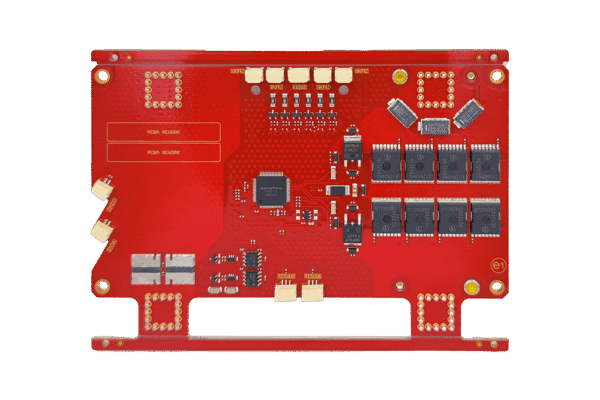
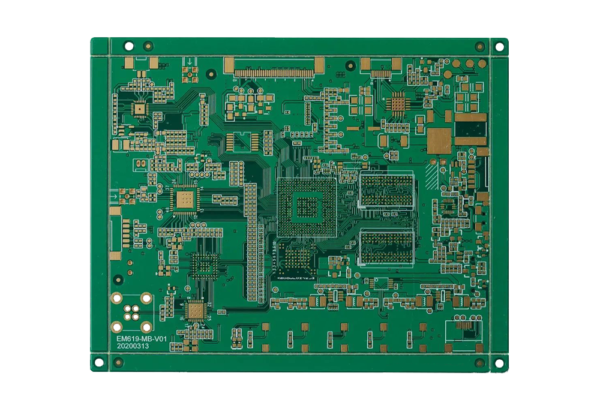
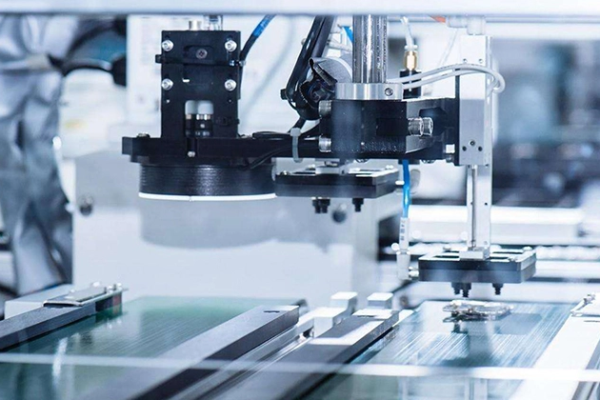
circuit card assembly Service refers to the manufacturing process of installing electronic components (such as resistors, capacitors, chips, etc.) onto a printed circuit board (PCB) and achieving electrical connections through techniques such as soldering. This service is usually provided by professional electronic manufacturing service providers (EMS) to help customers convert designed PCB drawings into fully functional circuit board products. The following are its core contents:
Table of Contents
1. circuit card assembly Main process
PCB Design and Verification
Design circuit diagrams based on customer requirements and conduct electrical performance simulations to ensure the feasibility of the design.
Material procurement (BOM management)
Purchasing components based on the Bill of Materials (BOM) may involve alternative material recommendations to optimize costs or supply.
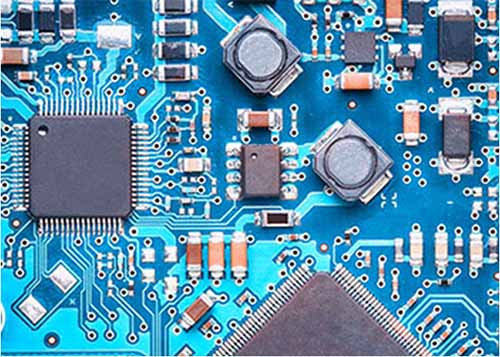
Printing and SMT
SMT (Surface Mount Technology): Precise placement of micro components (such as chips) onto the surface of PCB using high-speed surface mount machines.
THT (Through Hole Insertion Technology): It is suitable for inserting larger components (such as electrolytic capacitors) in high reliability demand scenarios.
procedure
Using reflow soldering (SMT) or wave soldering (THT) to fix components, some complex situations may require manual soldering.
Testing and Inspection
AOI (Automatic Optical Inspection): Check for welding defects or wrong parts.
ICT (Online Testing): Verify circuit connectivity and functionality.
FCT (Functional Testing): Simulate the actual working environment to ensure that the finished product meets performance standards.
Post processing and packaging
Including partitioning, three anti coating (moisture-proof, anti-corrosion), customized packaging (anti-static, shockproof), etc.
2. circuit card assembly Technical classification
Single sided/double-sided assembly: Choose based on the number of PCB layers and component layout.
High density interconnect (HDI): suitable for miniaturized devices such as smartphones.
Flexible PCB assembly: used for flexible circuits (such as wearable devices).
Circuit card assembly Hybrid technology: Combining SMT and THT to address complex designs.
3. Core advantages
Cost control: Reduce capital investment in self built production lines and reduce component costs through large-scale procurement.
Shorten cycle: Professional manufacturers optimize processes to accelerate the transition from design to mass production.
Technical expertise: Dealing with complex processes such as high-precision mounting and BGA soldering to improve yield.
Quality assurance: Through IPC standard certification (such as IPCA610), ensure product reliability.
4. Typical application scenarios
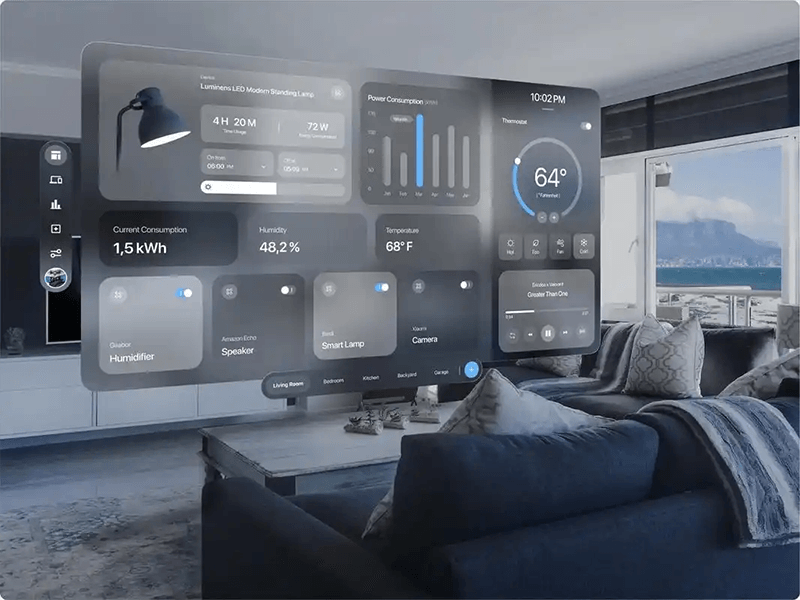
Consumer electronics: mobile phones, smart home devices.
Industrial equipment: industrial control motherboard, sensor module.
Automotive electronics: In car navigation, ADAS systems.
Medical equipment: monitors, portable diagnostic tools.
Aerospace: Control systems with high reliability requirements.
5. Considerations for choosing a service provider
Certification qualifications: ISO 9001, ISO 13485 (Medical), IATF 16949 (Automotive), etc.
Equipment level: Whether it has advanced surface mount machines (such as Fuji NXT series), X-ray detection equipment, etc.
Supply chain capability: a stocking strategy to address the risk of material shortage, and a cooperative relationship with component suppliers.
Technical support: DFM (Design for Manufacturing) analysis to assist in optimizing designs to reduce production issues.
Small batch flexibility: supports sampling or small to medium batch orders, adapting to R&D iteration needs.
6. Emerging Trends
circuit card assembly Automation and AI: Machine learning is used for defect prediction to improve detection efficiency.
Green manufacturing: lead-free soldering, compliant with RoHS/WEEE environmental directives.
Modular design: Provides integrated services such as SiP (System in Package) to reduce PCB area.
Through PCB assembly services, companies can focus their resources on core research and development, while relying on professional manufacturing capabilities to ensure product quality and market competitiveness.