As a professional enterprise in the fields of SMT (Surface Mount Technology) and PCB (Printed Circuit Board), we deeply understand the profound impact of packaging technology on the performance of electronic devices. Among various packaging forms, PGA (Pin Grid Array) packaging occupies an important position in high-performance computing, industrial control and other fields due to its unique mechanical and electrical characteristics. This article will provide comprehensive technical analysis for industry clients from the perspectives of PGA’s core characteristics, type differences, application scenarios, and optimization strategies.
Table of Contents
1、 The core advantages of PGA packaging
1. Excellent mechanical stability and reliability
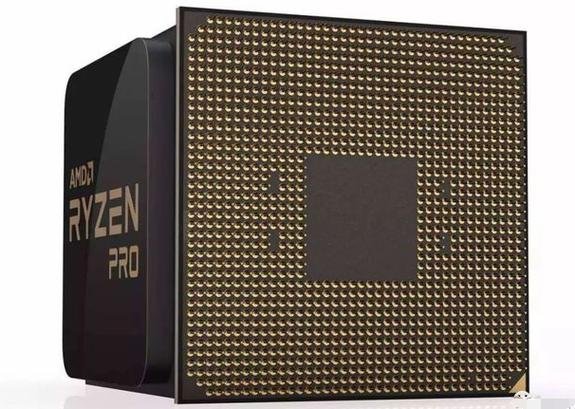
The pins of PGA package are directly connected to the socket through pins, with a large physical contact area. During the insertion and removal process, it is not easy to cause poor contact due to vibration or impact, especially suitable for scenarios that require frequent replacement or maintenance (such as server CPUs). Its unique ZIF (zero insertion force) socket design further simplifies the installation process while ensuring the stability of the connection.
2. Excellent heat dissipation performance
The pins are distributed at the bottom of the chip and can directly contact the heat sink, significantly improving thermal conductivity efficiency. For example, Nexperia’s PGA packaged MOS transistor achieves lower temperature rise in high-power scenarios such as automotive electronics by optimizing pin layout.
3. High frequency signal transmission capability
Compared to traditional packaging such as QFP, PGA has a larger pin spacing (commonly 2.54mm), reducing signal crosstalk and parasitic inductance, making it suitable for high-frequency communication module and processor design.
4. High compatibility and maintainability
The PGA package supports compatible designs for multiple generations of processors, such as Intel’s Socket series sockets that can adapt to CPUs of different generations, reducing system upgrade costs.
2、 Main types and applicable scenarios of PGA packaging
PGA packaging is classified into the following typical types based on material and structural differences:

1. Ceramic PGA (CPGA)
-Features: High temperature resistance (Tg>250 ° C), strong corrosion resistance, suitable for aerospace and industrial high-temperature environments.
-Application: Early Intel Pentium MMX processors and high reliability military equipment.
2. Plastic PGA (PPGA)
-Features: Low cost, light weight, but slightly inferior heat resistance, suitable for consumer electronics and general computing scenarios.
-Application: Intel Celeron processor (Socket 370).
3. Metal based PGA (such as Anshi MOS transistor package)
-Features: Combining the heat dissipation advantages of metal substrates, suitable for high-power power management and automotive electronic modules.
3、 Design and Manufacturing Challenges of PGA Packaging
Although PGA has significant advantages, its application still needs to address the following challenges:
1. Packaging density limitation: The pin spacing is relatively large (usually ≥ 1.27mm), which makes it difficult to meet the high-density requirements of ultra small devices and requires complementary use with advanced packaging such as BGA (Ball Grid Array).
2. Cost and process complexity: The manufacturing cost of ceramic substrates and precision sockets is relatively high, and it is necessary to reduce costs through optimized panel design and standardized processes.

3. Environmental sensitivity: Plastic based PGA is prone to moisture absorption and requires strict control over storage environment and drying process before welding.
4、 The future trend of PGA packaging
To meet the demand for high-performance packaging in 5G, AI, and automotive electronics, PGA technology is evolving in the following directions:
-High density: Develop micro PGA with smaller pin spacing (such as 1.0mm) to increase the number of pins per unit area.
-Material Innovation: Adopting composite substrate to balance heat dissipation performance and cost.
-Hybrid packaging technology: Combining the solder ball layout of BGA with the insertion and extraction advantages of PGA, achieving the dual goals of high reliability and high density.
5、 Conclusion
As a core component of electronic manufacturing, PGA packaging continues to play a critical role in the fields of processors, automotive electronics, and industrial control due to its reliability, heat dissipation capability, and high-frequency adaptability. For SMT and PCB companies, understanding the design characteristics of different PGA types and optimizing the stacking structure and soldering process based on customer needs is the key to enhancing product competitiveness.
We provide full process technical support from PGA packaging selection to PCB design, helping customers cope with the challenges of high-frequency and high-power scenarios. If you need to further understand packaging optimization solutions or obtain case references, please contact our technical team.
Get your exclusive quote immediately: fill out the form or send an email directly, and we will provide you with a quote service within 24 hours. Enjoy free DFM optimization and a 10% discount on SMT patches for your first order!