Table of Contents
What is PCB?
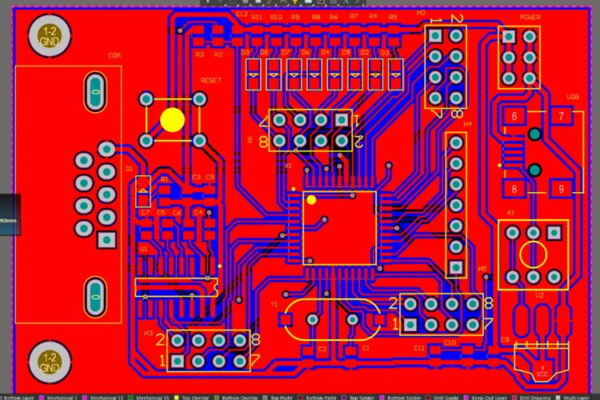
Printed Circuit Board (PCB board) is the core carrier of electronic devices, which forms conductive lines on insulating substrates through printing and etching techniques, providing mechanical support and electrical connections for electronic components. Since its invention by Austrian Paul Eisler in 1936, PCBs have evolved from single panel to double-sided and multi-layer boards (up to 100 layers), and have given rise to diverse forms such as flexible boards (FPC) and rigid flexible junction boards. Its core functions include:

-Integrated connectivity: replacing complex wiring, simplifying assembly processes, and improving equipment reliability;
-Miniaturization design: By utilizing high-density wiring technology, electronic products can be lightweight and miniaturized;
-Standardized production: supports automated manufacturing, reduces manual errors and costs.
Core application areas of PCB board
1. Consumer electronics: Smartphones, tablets, smart wearables, and other devices rely on high-density interconnect (HDI) boards and flexible boards to achieve lightweight design.
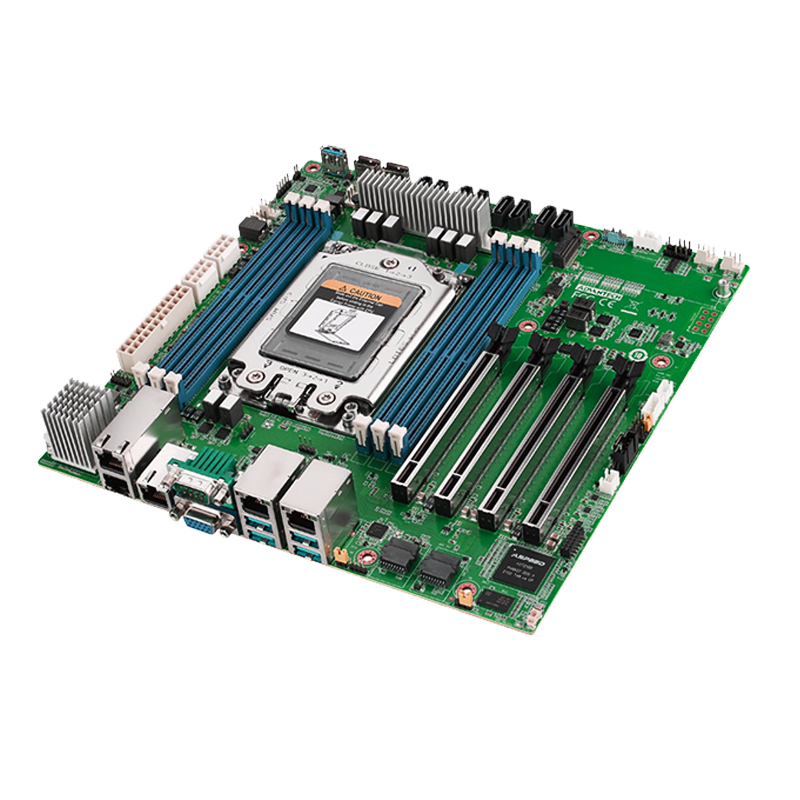
2. Communication and Data Centers: 5G base stations, routers, and servers require high-frequency and high-speed PCBs to support stable signal transmission, and new materials such as polytetrafluoroethylene (PTFE) are becoming increasingly popular.
3. Automotive electronics: The battery management system (BMS) and autonomous driving sensors of new energy vehicles rely on high temperature resistant and highly reliable automotive grade PCBs.
4. Industry and Medical: Precision PCBs for industrial control equipment ensure production stability, while medical equipment requires anti-interference and high-precision special circuit boards.
5. Emerging fields: AI chips, IoT terminals, and aerospace equipment are driving the development of PCB board towards high-end technologies such as super multi-layer (>20 layers) and 3D packaging.
Future development trends and technological innovations
1. Technological upgrades drive demand growth:
-High frequency and high-speed: The demand for 5G/6G communication and AI computing power has spurred innovative technologies such as ceramic substrates and embedded passive devices;
-High density integration: The diameter of HDI board micropores is reduced to below 50 μ m, and the number of layers breaks through traditional limitations;
-Flexible expansion: Foldable devices and flexible displays are driving the continuous expansion of FPC market share.
2. Green Manufacturing and Sustainable Development:
-Lead free soldering and halogen-free substrates have become standard in the industry, and the wastewater recycling rate has been increased to over 90%;
-The EU RoHS directive and other regulations force companies to adopt environmentally friendly processes.
3. Market pattern and regional transfer:
-China occupies over 50% of the global production capacity, forming a complete industrial chain cluster in the Yangtze River Delta and Pearl River Delta;

-Southeast Asia relies on its cost advantage to undertake the transfer of mid to low end production capacity, while Europe and America focus on high-end markets such as aerospace.
4. Continuous expansion of market size:
-The global PCB market size is expected to reach 96.8 billion US dollars by 2025, with China accounting for over 60% and a compound growth rate of 5.4%;
-Automotive electronics and AI hardware will become the fastest-growing sub sectors, with an annual demand growth rate of over 15%.
Conclusion
As the “mother of electronic products”, the PCB board industry is entering a golden period of intelligent, green, and high-end development. Enterprises need to seize technological innovation and market opportunities, deepen their layout in material research and development (such as high thermal conductivity substrates), intelligent manufacturing (AI quality inspection systems), and other fields to cope with global competition and diversified demands. In the future, PCBs will continue to empower the Internet of Things and become the core cornerstone of the digital age.