PCBA process refers to the assembly of PCB boards, components, electronic parts, etc. As a PCBA process company, SYS Technology will provide a detailed introduction to each step of the PCBA process:
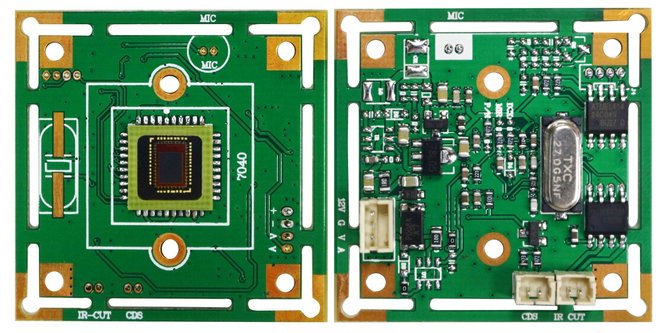
Table of Contents
PCBA process steps
1. Design
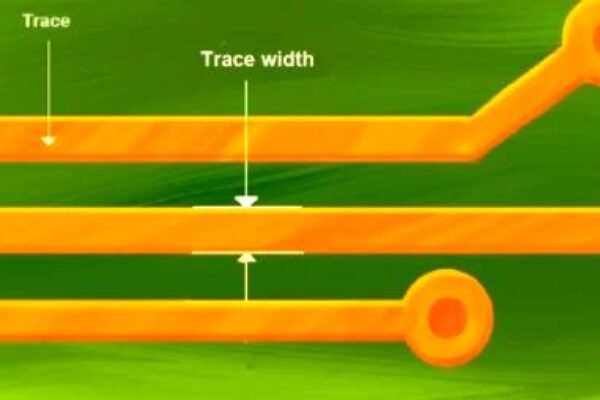
Based on the functional requirements of the electronic product, design the PCB layout. This includes the placement of components, dimensions, pin spacing, layer structure, etc.
2. PCB Fabrication
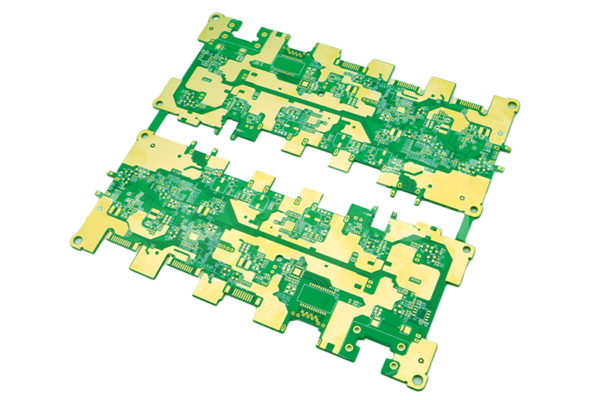
Transform the PCB design into the physical shape and circuitry of the board.
3. Component Procurement
Purchase the required components according to the PCB design, such as resistors, capacitors, integrated circuits, etc. These components are typically procured based on the BOM (Bill of Materials) list.
4. Component Placement
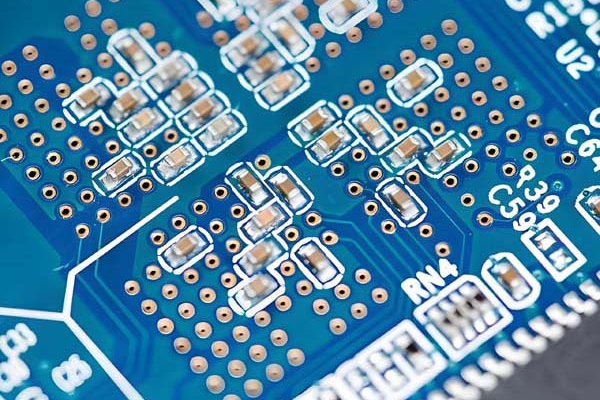
Mount the components onto the PCB.
Manual Placement, Components are placed on the PCB by hand.
Automated Placement, Components are placed on the PCB using pick-and-place machines.
5. Soldering
Solder the components onto the PCB.
Wave Soldering, solder components onto the PCB by wave soldering machine
Reflow Soldering, Solder paste is heated and solder components onto the PCB.
6. Inspection
Inspect the PCBA to ensure it meets the required standards.
Visual Inspection, Check the PCBA if any surface defects manually.
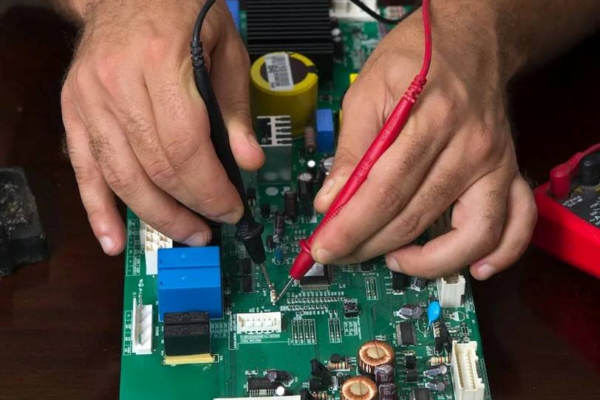
Functional Testing, Verify if the PCBA functions are correct.
7. Packaging
Package the PCBA for transportation and storage.
Common Issues in the PCBA Process
1.Common Issues in PCB Manufacturing
PCB warping, deformation, cracks, and short/open circuits in traces.
2. Common Issues in Component Placement
Misaligned components, cold solder joints, and pseudo soldered components.
3. Common Issues in Soldering
Cold solder joints, de-soldering, solder voids, and contamination.
A deep understanding of these issues is essential in the PCBA manufacturing process to promptly identify and resolve them, ensuring the quality of the PCBA meets the required standards.
Conclusion
The PCBA process requires a thorough understanding of every step and strict quality control to produce high-quality electronic products. Process engineers must closely monitor and manage each stage, addressing any issues that arise promptly to ensure the produced PCBA meets performance and reliability requirements.