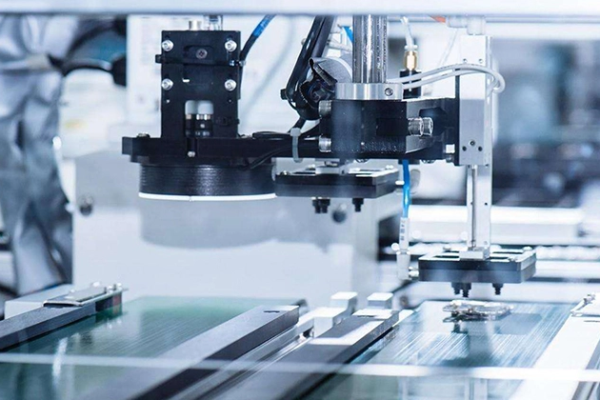
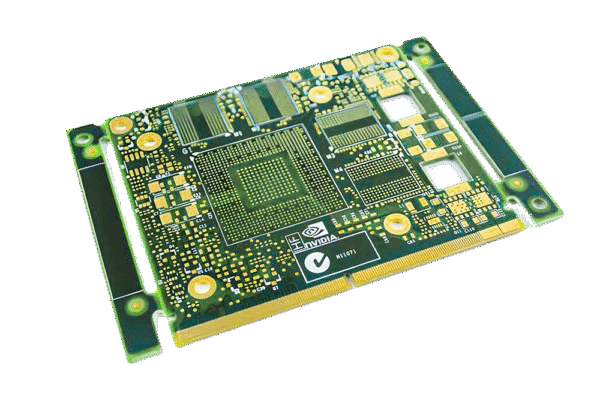
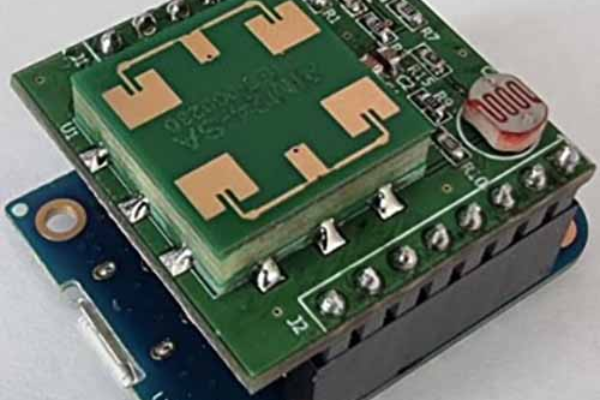
Reducing PCB manufacturing costs without compromising quality is a key concern for engineers, designers, and manufacturers. Several factors influence the overall cost, including material selection, design complexity, manufacturing processes, and order volume. Below are practical strategies to minimize PCB costs while maintaining performance and reliability.
Table of Contents
1. What is optimizing PCB design like?
a) Reduce PCB Size and Layer Count
Minimizing the board size directly lowers material and processing costs. Additionally, reducing the number of layers in a multilayer PCB can lead to significant savings. Strive for a balance between functionality and design efficiency.
b) Use Standard Board Shapes
Custom board shapes increase manufacturing complexity and waste material. Sticking to rectangular or square PCBs can reduce fabrication costs.
c) Optimize Trace and Space Requirements
Designing with standard trace widths and spacing helps avoid the need for high-precision manufacturing, which is typically more expensive. Many manufacturers offer lower costs for common design specifications.
2. How to choose economically efficient materials?
a) Standard FR4 Instead of High-End Substrates
While high-frequency PCBs may require advanced materials, using standard FR4 instead of high-Tg or ceramic-based materials can significantly reduce costs.
b) Avoid Unnecessary Heavy Copper
Excessive copper thickness increases material and etching costs. Use only the necessary copper weight based on current-carrying requirements.
3. Optimize Component Selection and Placement
a) Use Standard Components
Selecting widely available, standard-sized components reduces procurement costs. Avoiding custom or rare components can prevent supply chain delays and price fluctuations.
b) Minimize the Use of Fine-Pitch and BGA Packages
Fine-pitch components and ball grid arrays (BGAs) often require high-precision placement and inspection, increasing assembly costs. Choosing components with larger pitches can simplify manufacturing and reduce costs.
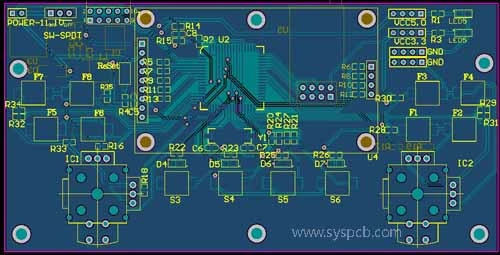
4. Streamline the Manufacturing Process
a) Panelization for Efficient Fabrication
Designing PCBs in panelized formats can maximize material utilization and lower per-unit costs. Manufacturers often offer cost savings for designs optimized for panel efficiency.
b) Reduce Drill Sizes and Via Count
Using fewer and larger vias simplifies the drilling process, reducing machine time and tooling costs. Blind and buried vias add complexity and should be avoided unless necessary.
c) Avoid Excessive Solder Mask and Silkscreen Complexity
Simple solder mask and silkscreen designs help reduce setup and processing costs. Overly detailed silkscreen markings or multi-color masks can increase expenses.
5. Order in Bulk and Optimize Supplier Selection
a) Increase Order Quantity
Higher production volumes typically result in lower per-unit costs due to economies of scale. If possible, consolidating orders can lead to significant savings.
b) Choose a Reliable Manufacturer
Working with an experienced and cost-effective PCB manufacturer ensures competitive pricing without sacrificing quality. Requesting multiple quotes and negotiating bulk discounts can further reduce expenses.
6. Consider Alternative Surface Finishes
Surface finishes affect both cost and reliability. While ENIG (Electroless Nickel Immersion Gold) is widely used, HASL (Hot Air Solder Leveling) or OSP (Organic Solderability Preservative) can be more economical options for certain applications.
Conclusion
By implementing these cost-saving strategies—optimizing design, selecting cost-effective materials, streamlining the manufacturing process, and choosing the right supplier—PCB costs can be significantly reduced without compromising quality. Whether you are designing prototypes or mass production boards, a cost-conscious approach can lead to long-term savings and improved production efficiency.