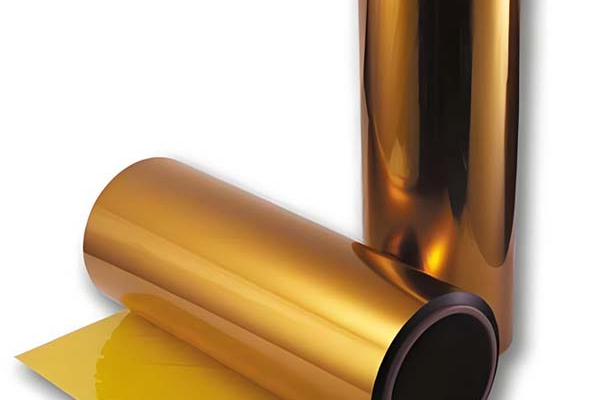
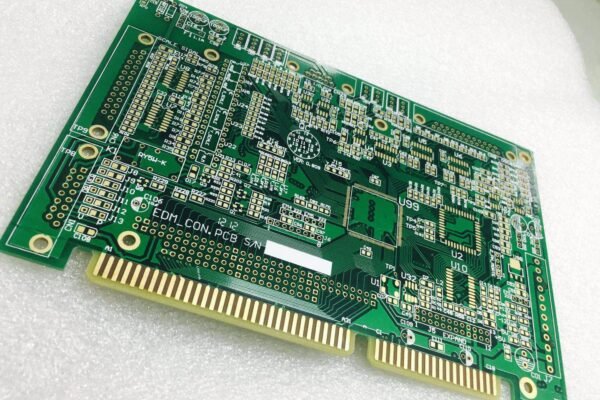
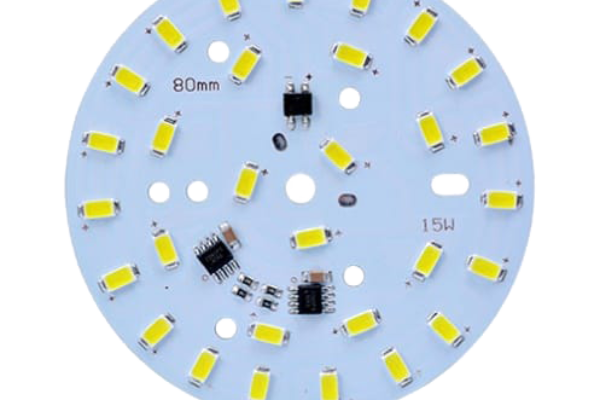
In the fields of smartphone foldable screens, 5G millimeter wave antennas, and new energy vehicle electronics, FPC (Flexible Printed Circuit Board) has become the core component due to its lightweight and bendable characteristics, and the lamination process is the key link that determines its reliability. This article deeply analyzes the technical points and innovative directions of FPC coating from materials science, process technology to industry trends.
—
Table of Contents
1、 The Core Function and Material Evolution of FPC Coating
1. The multiple missions of covering film
FPC overlay film not only needs to protect copper foil lines from oxidation and mechanical damage, but also needs to withstand a bending life of more than 100000 times in dynamic bending scenarios (such as folding screen hinge areas). Its functional subdivisions include:
-Electrical protection: block moisture and chemical corrosion, ensure the stability of line impedance (fluctuation ≤ ± 5%);
-Mechanical support: Suppressing copper foil fracture caused by bending stress through the high tensile strength (≥ 200MPa) of PI film;
-Thermal management: High temperature resistant adhesive (Tg ≥ 120 ℃) combined with copper based heat dissipation path to reduce the temperature gradient in high current areas.

2. Iterative upgrade of material system
-Substrate selection:
-Polyimide (PI): a mainstream choice with excellent temperature resistance (long-term use temperature of 260 ℃), but high moisture absorption (2.5% -3%). In high-frequency scenarios, surface coating with fluorocarbon resin is required to reduce the dielectric constant;
-Liquid crystal polymer (LCP): dielectric loss (Df)= 0.002@10GHz )Only one-third of PI, but high cost, mostly used for 5G millimeter wave antennas;
-Modified polyester (PET): Low cost but poor temperature resistance (only 120 ℃), suitable for non high temperature areas of consumer electronics.
-Adhesive Innovation:
Traditional epoxy resin adhesives have high brittleness. The new phenolic epoxy resin+biphenyl epoxy system maintains adhesive strength (≥ 1.5kgf/cm) while increasing Tg to 150 ℃, and enhances tear resistance through doping with nano silica.
—
2、 Technological breakthroughs and production challenges in film coating technology
1. Comparison of Three Major Process Paths
-Screen printing method:
Using UV curable ink, it has low cost but poor thickness uniformity (± 15 μ m), and is only used for low precision consumer electronics. Attention should be paid to the compatibility between the thermal expansion coefficient (CTE=50ppm/℃) of the cured ink and the PI substrate (CTE=12ppm/℃) to avoid bending and delamination.
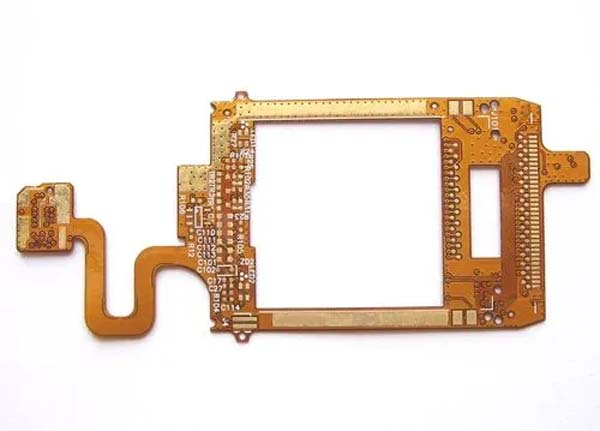
-Covering film lamination method:
The mainstream process in the industry is to press the semi cured adhesive film onto the PI substrate using a vacuum press at 180 ℃ and 15psi pressure. The key control points include:
-Adhesive flowability management: New adhesive needs to undergo pre aging treatment (40 ℃/24h) to reduce flowability and prevent overflow and blockage of solder pads;
-Window precision: Laser cutting (precision ± 25 μ m) replaces traditional stamping to avoid mechanical stress damage to micro circuits (line width ≤ 50 μ m).
-Photographic method:
Similar to the hard board solder mask process, using dry film or liquid photosensitive adhesive, achieving 5 μ m level opening accuracy through exposure and development, suitable for high-density interconnect (HDI) FPC, but with a 40% increase in equipment investment cost.
2. Process optimization in high-frequency scenarios
In the 77GHz vehicle mounted radar FPC, the coating process needs to meet the following requirements:
-Dielectric consistency: LCP substrate+low Dk adhesive (Dk=2.8 ± 0.05) is used to ensure millimeter wave signal loss ≤ 0.03dB/mm;
-Dimensional stability: The substrate shrinkage rate after lamination is ≤ 0.05% to prevent antenna phase distortion;
-Environmental resistance: After 1000 hours of wet heat aging at 85 ℃/85% RH, the peel strength retention rate is ≥ 90%.
—
3、 Industry pain points and innovative solutions
1. Response strategies for dynamic bending failure
-Stress buffering design: Wave shaped wiring is used in the bending area, reducing the thickness of the copper foil to 9 μ m. Combined with elastic adhesive (elongation at break ≥ 80%), the bending life is increased from 10000 times to 200000 times;
-Interface strengthening technology: Plasma treatment of copper foil surface (roughness Ra=0.3-0.5 μ m) enhances adhesive bonding strength, increasing peel strength from 0.8 kgf/cm to 1.6 kgf/cm.
2. Ensuring the integrity of high-frequency signals
-Development of low dielectric adhesive: By fluorinating modified epoxy resin, Dk was reduced from 3.5 to 2.9 (10GHz) and Df was reduced from 0.02 to 0.005;
-Electromagnetic shielding integration: Sputtering nano silver mesh (square resistance ≤ 0.1 Ω/sq) on the surface of the cover film, replacing the traditional copper foil shielding layer, reducing the thickness by 70%.
3. Environmental protection and cost balance
-Halogen free materials: Bromine based flame retardants are replaced with phosphorus nitrogen synergistic systems, which have passed UL 94 V-0 certification and reduced VOC emissions by 60%;
-Process simplification: Develop integrated laminating equipment, integrate coating, laminating, and pre curing processes, and increase production efficiency by 35%.
—
4、 Frontier Applications and Future Trends
1. The ultimate challenge of foldable screen phones
A flagship foldable screen mobile phone hinge area FPC adopts:
-Ultra thin PI cover film (thickness 25 μ m);
-Nano silver adhesive conductive line (line width/spacing=20 μ m/20 μ m);
-Bending radius ≤ 1mm, impedance change ≤ 3% after 200000 dynamic tests.
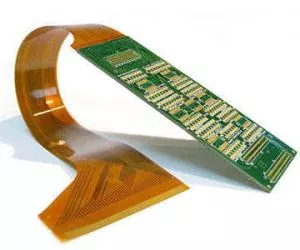
2. Breakthrough in 6G Terahertz Communication
The experimental terahertz FPC (300GHz) adopts:
-Air cavity membrane structure: Local removal of adhesive to form an air medium layer (Dk=1.0), reducing insertion loss to 0.01dB/mm;
-Graphene enhanced PI film: thermal conductivity increased to 15W/m · K, solving the heat dissipation problem of terahertz chips.
3. Intelligent manufacturing upgrade
-AI visual inspection: based on deep learning to recognize defects such as film bubbles and uneven adhesive layers, with an accuracy rate of ≥ 99.5%;
-Digital twin modeling: Predicting the impact of laminating process parameters on final performance through simulation, reducing trial and error costs by 50%.
—
From material innovation to intelligent production, FPC laminating technology is continuously breaking through physical limits. With the expansion of flexible electronics into new fields such as medical implantation and space exploration, film coating technology will usher in a broader development space in the direction of high reliability and multifunctional integration.