PCB Assembly (PCA) is a critical step in electronic manufacturing, where components are mounted onto a PCB board (PCB) to create functional electronic devices. As technology advances, the PCA industry faces new opportunities and challenges, driven by miniaturization, automation, and the increasing complexity of electronic products. This article explores the future trends and challenges shaping the PCA industry.
Table of Contents
What is the future trend of PCB assembly?
1. Advancements in Automation and AI
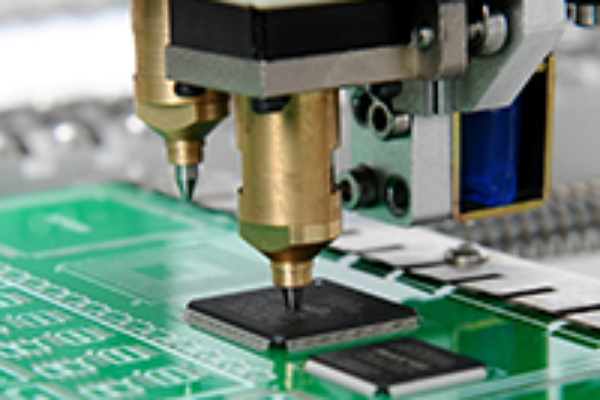
The integration of automation and artificial intelligence (AI) in PCA processes is enhancing efficiency and accuracy. AI-powered inspection systems, robotic soldering, and automated optical inspection (AOI) are reducing defects and improving overall production yields. Machine learning algorithms are also helping optimize assembly line performance in real-time.
2. Miniaturization and High-Density PCBs
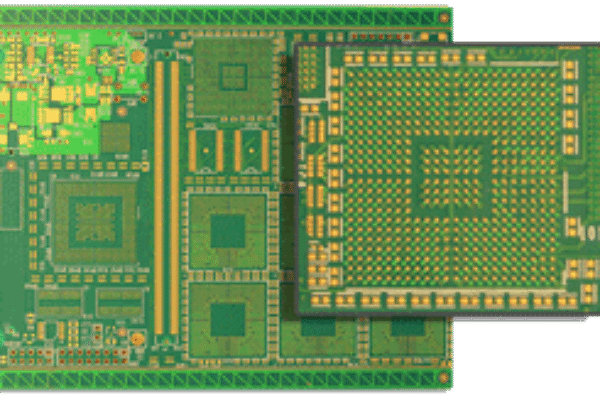
With the demand for smaller, more powerful devices, PCA must accommodate high-density interconnect (HDI) PCBs, fine-pitch components, and multi-layer assemblies. This requires advanced placement techniques and precise soldering processes to ensure reliability.
3. Rise of Flexible and Rigid-Flex PCBs
Wearable electronics, automotive applications, and compact devices are driving the adoption of flexible and rigid-flex PCBs. These require specialized assembly techniques, including controlled impedance soldering and unique handling processes to prevent damage during manufacturing.
4. Sustainability and Green Manufacturing
Environmental concerns are leading to stricter regulations and the need for eco-friendly materials and processes. Lead-free soldering, recyclable PCB substrates, and energy-efficient manufacturing techniques are becoming standard practices in the industry.
5. Integration of 5G and IoT Technologies
The proliferation of 5G networks and IoT devices is pushing PCA to support higher frequencies and faster data transmission. High-frequency PCBs with low-loss materials and advanced shielding techniques are critical for maintaining signal integrity.

What are the challenges in PCB assembly?
1. Component Supply Chain Constraints
Global supply chain disruptions and semiconductor shortages have significantly impacted PCA production. Manufacturers must adopt flexible sourcing strategies and diversify supplier networks to mitigate risks.
2. Increasing Complexity and High-Mix Production
As products become more complex, manufacturers face challenges in handling high-mix, low-volume production. Advanced manufacturing solutions, such as smart factories and digital twin technologies, are essential to efficiently manage variability.
3. Thermal Management Issues
Higher power densities in modern electronics lead to thermal challenges. Effective heat dissipation techniques, including advanced thermal vias, embedded heat sinks, and innovative cooling solutions, are required to maintain reliability.
4. Quality and Reliability Assurance
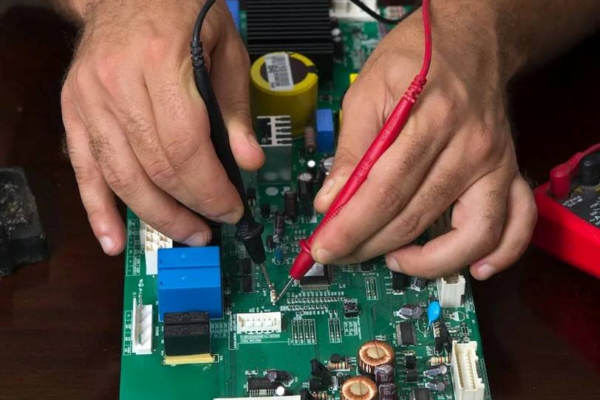
Ensuring defect-free assembly in complex PCBs requires robust testing methodologies. Techniques such as in-circuit testing (ICT), X-ray inspection, and functional testing play a crucial role in identifying defects early in the production cycle.
5. Labor Shortages and Skilled Workforce
The PCA industry faces a shortage of skilled labor, particularly in advanced manufacturing roles. Investing in workforce training programs and embracing collaborative robotics (cobots) can help bridge the skills gap.
Conclusion
The future of PCB assembly is shaped by technological advancements, market demands, and evolving challenges. Automation, miniaturization, sustainability, and 5G integration will drive the industry forward. However, manufacturers must address supply chain disruptions, increasing complexity, and workforce shortages to stay competitive in this dynamic landscape. By leveraging innovation and strategic planning, the PCA industry can overcome these challenges and continue to thrive in the years ahead.