High-Density Interconnect (HDI) Flexible PCBs continue to gain traction in the electronics industry as demand for compact, lightweight, and high-performance devices increases. In 2024, key market trends are shaping the development and adoption of HDI flexible PCBs, driven by advancements in consumer electronics, automotive technology, and 5G applications. This article explores the latest trends influencing the HDI flexible PCB market and their implications for manufacturers and end-users.
Table of Contents
1. Growing Demand for Miniaturization and High-Density Interconnects
As electronic devices become smaller and more powerful, HDI flexible PCBs play a critical role in meeting space constraints while maintaining high functionality. Key developments include:
Increased use of ultra-fine line spacing and smaller via sizes to enhance circuit density.
Adoption of mSAP (Modified Semi-Additive Process) to improve line width/spacing resolution.
Greater reliance on stacked and staggered microvias for enhanced electrical performance.

2. Expansion in 5G and IoT Applications
The rollout of 5G networks and the proliferation of IoT devices are fueling the demand for HDI flexible PCBs. These applications require PCBs that offer:
High-frequency signal integrity to support fast data transmission.
Low dielectric loss materials to minimize signal attenuation.
Multi-layered HDI structures to optimize connectivity and reliability in compact designs.
3. Advancements in Automotive Electronics

The automotive industry is increasingly integrating HDI flexible PCBs in advanced driver-assistance systems (ADAS), infotainment systems, and electric vehicle (EV) power management. Key trends include:
Increased reliability requirements for harsh environments.
Use of high-temperature-resistant materials to withstand automotive operating conditions.
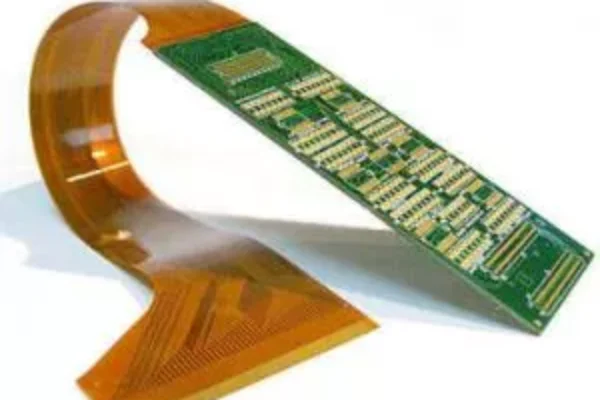
Integration of flexible-rigid HDI PCBs for improved mechanical and electrical performance.
4. Adoption of High-Performance Materials
Material innovations are playing a pivotal role in HDI flexible PCB evolution. In 2024, manufacturers are focusing on:
Polyimide and liquid crystal polymer (LCP) substrates for superior flexibility and thermal stability.
Halogen-free and environmentally friendly laminates to meet sustainability regulations.
Low CTE (Coefficient of Thermal Expansion) materials to reduce mechanical stress in high-reliability applications.
5. Manufacturing Innovations and Cost Optimization
To keep pace with demand, PCB manufacturers are investing in advanced fabrication techniques to improve production efficiency and reduce costs. These include:
Laser Direct Imaging (LDI) for precise patterning of ultra-fine traces.
Automated optical inspection (AOI) and X-ray inspection for enhanced quality control.
Roll-to-roll (R2R) processing to streamline large-scale flexible PCB production.

Conclusion
The HDI flexible PCB market in 2024 is characterized by rapid technological advancements and increasing demand across various industries, including consumer electronics, telecommunications, and automotive. As manufacturers adopt innovative materials and production techniques, HDI flexible PCBs will continue to drive the next generation of high-performance, miniaturized electronic devices. Companies that stay ahead of these trends will gain a competitive edge in this evolving market.