In the SMT (Surface Mount Technology) processing, ESD (Electrostatic Discharge) is a potential threat that cannot be ignored. Its hazards mainly manifest in multiple aspects such as electronic components, production processes, and product quality. The following is a specific analysis:
Table of Contents
1、 Direct damage to electronic components
-Component malfunction: The instantaneous high voltage (up to several thousand volts or even higher) generated during electrostatic discharge can break through the insulation layer or semiconductor PN junction inside the component, causing permanent damage to the component. For example:
-The internal circuit of the integrated circuit (IC) was burned, causing the chip to malfunction.
-The dielectric layer breakdown of passive components such as capacitors and resistors can cause parameter drift or open/short circuits.
-Potential damage: Some components may not immediately fail after being subjected to electrostatic shock, but slight damage has already occurred internally (such as thinning of oxide layer, micro cracks in solder joints, etc.), greatly reducing the reliability of the components. In subsequent use, they are prone to premature failure due to factors such as temperature changes and voltage fluctuations. This kind of ‘hidden damage’ is difficult to detect through routine testing and can lay long-term hidden dangers for the product.

2、 The impact on SMT production process
-Equipment failure and shutdown: Static electricity accumulation may interfere with the control system of SMT equipment (such as surface mount machines and reflow soldering furnaces), leading to abnormal equipment operation (such as positioning deviation, program confusion), and even causing hardware failures, increasing downtime maintenance costs.
-Welding quality issues: Static electricity may adsorb dust and impurities onto component pins or PCB pads, affecting the wetting effect of solder paste and causing welding defects such as virtual soldering and cold soldering. In addition, the instantaneous high temperature generated by electrostatic discharge may disrupt the metallurgical reaction of the solder and reduce the strength of the solder joint.
-Material loss and cost increase: Components damaged by ESD need to be replaced, which not only wastes materials but also prolongs production cycles due to rework. According to statistics, about 30% of component failures in the electronics manufacturing industry are related to static electricity, resulting in losses of billions of dollars annually due to ESD.
3、 Hazards to product quality and reliability
-Decrease in finished product qualification rate: Components damaged by ESD can directly cause functional abnormalities in the finished product after being installed, such as:
-The chip in the mobile phone motherboard may be damaged by static electricity, resulting in issues such as system crashes and signal interruptions.
-The failure of components in the automotive electronic control unit (ECU) may pose a safety hazard.
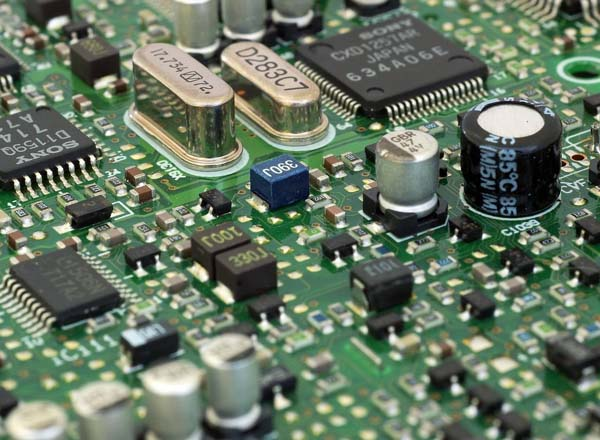
-Long term reliability reduction: Even if the components do not show any faults during factory testing, potential ESD damage can make the product more susceptible to environmental stress (such as temperature, humidity, vibration) during use, shortening the product’s lifespan. For example, electrostatic damage to semiconductor components may result in a decrease of over 50% in their resistance to electrical stress.
-Customer complaints and brand losses: Product after-sales failures caused by ESD issues can increase customer complaint rates and damage the company’s brand reputation, especially in fields such as healthcare and aerospace that require high reliability, with more serious consequences.
4、 Other potential risks
-Production environment interference: Static electricity accumulation can adsorb dust in the air, pollute the cleanliness of the production workshop, and affect the accuracy of SMT processes (such as steel mesh printing and component mounting).
-Safety hazards for operators: Although static electricity usually causes less direct harm to the human body, frequent static discharge may cause discomfort (such as tingling) to operators and affect work efficiency.
Characteristics and difficulties of ESD hazards
-Concealment: Most ESD damages do not immediately manifest and may only be exposed after component testing, overall assembly, or several months of use, making it difficult to trace the root cause.
-Accumulation: Multiple minor electrostatic shocks may accumulate and cause component failure, even if the single discharge voltage does not reach the breakdown threshold of the component. Long term accumulation will also reduce its reliability.
-Complexity: The generation of static electricity is related to various factors such as environmental humidity, material characteristics, and operating procedures, and requires comprehensive control from hardware protection (such as anti-static packaging, grounding facilities), process specifications (such as anti-static operating procedures), personnel training, and other aspects.
Summarize
In SMT processing, the hazards of ESD run through the entire process from component procurement, warehousing, production to finished product testing. It not only causes direct material and equipment losses, but also has a profound impact on product quality and corporate reputation. Therefore, establishing a comprehensive ESD protection system (such as using anti-static workbenches, wearing anti-static equipment, controlling environmental humidity, etc.) is an indispensable part of SMT production.
Get your exclusive quote immediately: fill out the form or send an email directly.As a professional PCB manufacturer for hobbyist , we will provide you with a quote service within 24 hours. Enjoy free DFM optimization and a 10% discount on SMT patches for your first order!