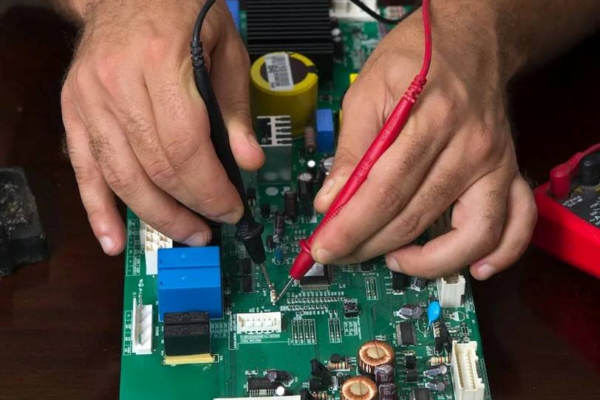
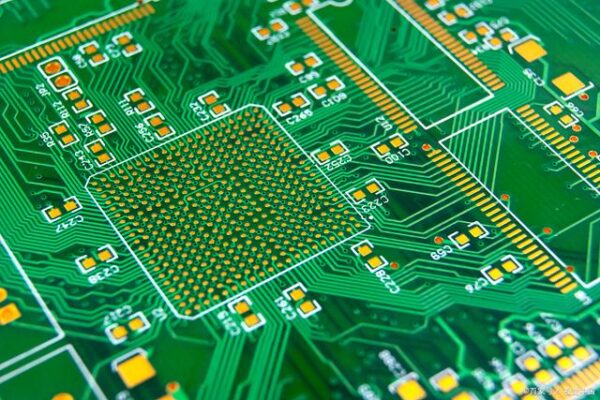
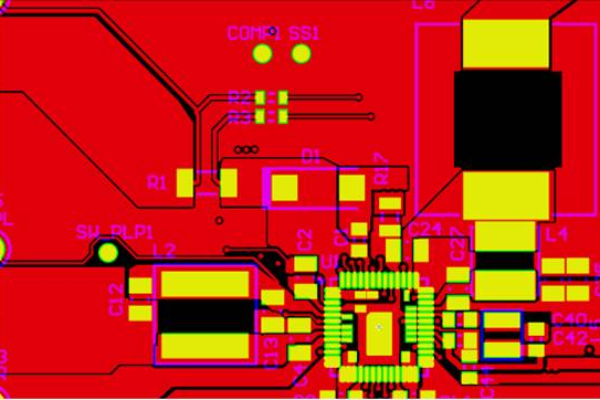
The storage period of PCBA (Printed Circuit Board Assembly) products is a crucial factor that impacts their quality, performance, and longevity. PCBA products, whether they are finished assemblies or in-progress components, require careful handling and storage to avoid degradation and ensure that they meet required performance standards. As the electronics industry moves toward faster production cycles and lean inventory management, understanding the optimal storage period for PCBAs becomes increasingly important for manufacturers, suppliers, and end users alike.
Table of Contents
Why Does PCBA Storage Matter?
The storage conditions of PCBA products directly affect their reliability and functionality when they are eventually deployed in devices. Several factors contribute to the potential deterioration of PCBAs during storage, including:
Moisture Absorption: One of the most significant risks to PCBAs is moisture absorption, which can lead to issues such as popcorning (where moisture trapped inside components causes them to expand and crack during soldering) or corrosion of metal surfaces, particularly the copper traces on the board.
Component Degradation: Components such as capacitors, resistors, and connectors can degrade over time when exposed to environmental factors like heat, humidity, and light. This can lead to reduced performance or outright failure of the PCBA when used in a final product.
Solder Paste and Flux Stability: If PCBAs are not stored correctly, the stability of the solder paste and flux used during assembly can be compromised. Improper storage conditions, such as exposure to excessive heat or moisture, can cause flux degradation, leading to poor solder joints or even failure in the assembly process.
Physical Damage: PCBAs are delicate and can be physically damaged if not stored properly. Improper stacking, handling, or exposure to mechanical stress during storage can result in bent pins, broken components, or damaged traces.
Key Factors Affecting PCBA Storage Period
To maximize the lifespan and ensure the quality of PCBAs, the following factors should be considered when determining the storage period:
Environmental Conditions:
Temperature: Ideal storage temperatures for PCBAs are typically between 15°C to 25°C (59°F to 77°F). Extreme temperatures, especially those above 30°C (86°F), can accelerate component degradation and lead to issues with solderability and moisture absorption.
Humidity: High humidity levels (above 60% relative humidity) can promote moisture absorption by PCBAs and components. To prevent this, PCBAs should be stored in dry cabinets or containers with moisture-absorbing desiccants, especially if they are assembled with sensitive components such as ICs or BGA packages.
Packaging:
Moisture Barrier Bags: For long-term storage, PCBAs should be placed in moisture barrier bags with desiccant packets. These bags help maintain a low humidity environment and prevent moisture from damaging sensitive components.
Vacuum Sealing: In some cases, especially for high-value or highly sensitive PCBAs, vacuum sealing is an effective method to protect against both moisture and oxygen, extending the product’s shelf life.
Component Sensitivity:
Different components have varying sensitivities to storage conditions. For example, MSL (Moisture Sensitivity Level) ratings are used to classify components based on how they react to moisture. Components like SMD (Surface-Mount Device) capacitors and BGAs (Ball Grid Arrays) are particularly sensitive to moisture, so these should be stored according to their MSL guidelines.
Storage Duration:
Short-term storage, typically up to 6 months, may not require special conditions other than a controlled environment to prevent exposure to moisture or extreme temperatures.
For longer-term storage, typically beyond 6 months, more stringent measures such as the use of moisture barrier bags or dry storage cabinets are necessary. The IPC/JEDEC J-STD-033 standard provides guidelines on the recommended storage durations for various components and PCBAs based on their moisture sensitivity levels.
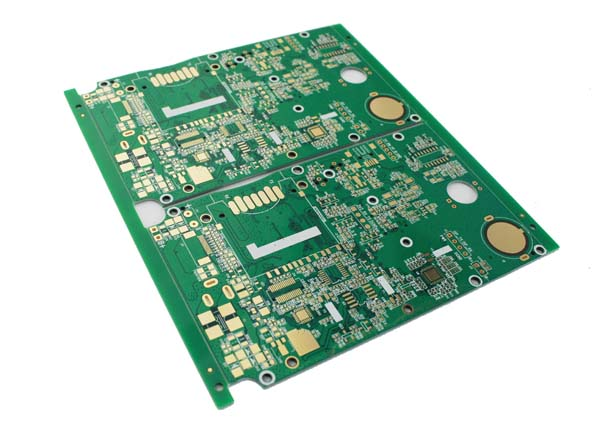
Best Practices for PCBA Storage
To ensure that PCBAs remain in optimal condition and meet the performance standards when deployed in final products, manufacturers should adhere to the following best practices:
Control Environmental Conditions: Keep storage areas at a stable, controlled temperature and humidity level. Utilize air conditioning systems, dehumidifiers, or dry storage cabinets to maintain ideal conditions.
Use Proper Packaging: Always package PCBAs in moisture-resistant bags with desiccants or vacuum-sealed packaging for long-term storage. Ensure that packaging is intact and not damaged before storage.
Implement FIFO (First In, First Out): To ensure that older PCBAs are used first and prevent prolonged storage beyond their optimal shelf life, implement a FIFO inventory system. This helps reduce the risk of storing outdated PCBAs that could degrade over time.
Regular Monitoring: For extended storage periods, regularly check stored PCBAs for signs of moisture absorption, physical damage, or other degradation. If any signs of deterioration are found, it is better to discard the affected units rather than risk using them in final assemblies.
Adhere to Component-Specific Guidelines: Different components on a PCBA may have different MSL ratings. Ensure that each component is stored according to its specific moisture sensitivity and handling requirements.
What Happens When PCBA Storage Periods Are Not Followed Properly?
If proper storage conditions are not followed, the consequences can be significant:
Moisture-Related Issues: Exposure to moisture can result in soldering problems, especially in the reflow process, as components expand and crack under heat (popcorning). This can lead to defective solder joints, short circuits, and component failure.
Reduced Reliability: Components may degrade over time, resulting in poor performance, reliability issues, or outright failure once the device is put into use.
Increased Costs: PCBAs that are not stored properly may need to be reworked or scrapped, leading to additional production costs and delays.
Conclusion
Proper storage of PCBA products is critical to maintaining their quality and reliability over time. By controlling environmental factors like temperature and humidity, using appropriate packaging, and following component-specific storage guidelines, manufacturers can minimize the risks of degradation and ensure that PCBAs perform as expected when they are eventually assembled into final products. Understanding the importance of storage period and implementing best practices can lead to more reliable electronics, reduced costs, and increased customer satisfaction.