Embedded human-machine interfaces (HMIs) are crucial components in numerous electronic devices, spanning from industrial control systems to consumer electronics. The development of these interfaces is a complex process, influenced by various factors that determine their functionality, usability, and performance. Here are the four key factors that have a significant impact on the development of embedded HMIs.
Table of Contents
Ⅰ.Hardware Limitations
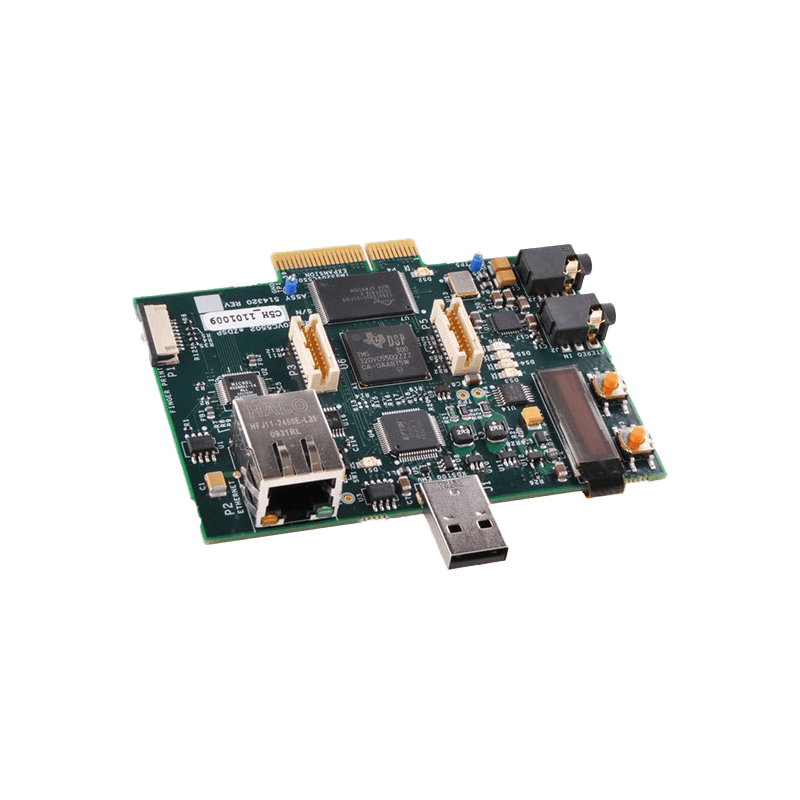
Hardware constraints are one of the primary factors affecting embedded HMI development. Embedded systems typically have limited hardware resources, including processing power, memory, storage, and display capabilities. The processor’s performance directly influences the speed at which the HMI can respond to user operations and process data. A less powerful processor may struggle to handle complex graphics rendering or real-time data updates, leading to a laggy interface.
Memory and storage limitations also play a vital role. Limited memory can restrict the number of interface elements, such as icons, menus, and animations, that can be loaded simultaneously. Insufficient storage may limit the ability to store large amounts of data related to the interface, such as user preferences or historical operation records.
Display characteristics, such as resolution, size, and touch sensitivity, are determined by the hardware. These factors affect the design of the interface layout, the size of interactive elements, and the overall user experience. For example, a small low-resolution display requires a more simplified interface with larger buttons to ensure usability.
Ⅱ.User Requirements
Understanding and meeting user requirements is essential for developing an effective embedded HMI. Different users have varying needs and expectations based on their application scenarios and usage habits.
In industrial settings, users may prioritize functionality and reliability. The HMI needs to provide clear and accurate information about the system’s status, allow for quick and precise operation, and withstand harsh environmental conditions. On the other hand, for consumer electronics, users often value aesthetics, simplicity, and ease of use. The interface should be intuitive, visually appealing, and require minimal learning time.
User demographics, such as age, technical background, and frequency of use, also influence the design. For instance, an HMI designed for professional technicians can be more complex with advanced features, while one intended for the general public should be straightforward and user-friendly.
Ⅲ.Software Architecture
The software architecture of the embedded system has a profound impact on the development of the HMI. A well-designed software architecture ensures the stability, scalability, and maintainability of the interface.
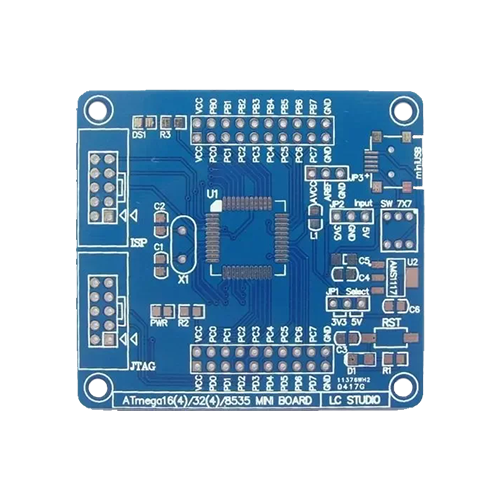
The choice of operating system (OS) is a key aspect of the software architecture. Embedded OSes, such as Linux, RTOS (Real-Time Operating Systems), have different characteristics in terms of real-time performance, multitasking capabilities, and resource management. The OS must be compatible with the HMI development tools and support the required hardware peripherals.
The modularity of the software architecture is another important factor. A modular design allows for easier development, testing, and updates of individual components of the HMI. It enables developers to focus on specific functions without affecting the entire system, reducing the complexity of the development process.
Ⅳ.Industry Standards and Regulations
Compliance with industry standards and regulations is mandatory in many fields where embedded HMIs are used. These standards ensure the safety, interoperability, and quality of the interfaces.
In industries such as medical devices and automotive, strict regulations govern the design and functionality of HMIs. For example, medical device HMIs must meet specific usability standards to prevent errors that could harm patients. Automotive HMIs need to comply with regulations related to driver distraction and safety.
Industry standards also cover aspects such as communication protocols, data formatting, and security. Adhering to these standards ensures that the embedded HMI can work seamlessly with other systems and devices, facilitating integration and interoperability.
In conclusion, the development of embedded human-machine interfaces is influenced by hardware limitations, user requirements, software architecture, and industry standards and regulations. By carefully considering these factors, developers can create high-quality, effective, and user-friendly embedded HMIs that meet the needs of various applications.
Get your exclusive quote immediately: fill out the form or send an email directly.As a professional PCB manufacturer for hobbyist , we will provide you with a quote service within 24 hours. Enjoy free DFM optimization and a 10% discount on SMT patches for your first order!