Table of Contents
Introduction: Unprecedented Memory Market Volatility
The global electronics industry is currently experiencing one of the most dramatic memory price surges in recent history, with ripple effects extending across the entire supply chain. Since late 2024, memory chip prices have seen extraordinary increases, with some DRAM products recording price jumps of over 300% within months . This unprecedented market movement is transforming memory from a commodity component into what industry observers are calling “electronic gold” or “black gold bars” , highlighting its newfound status as both a strategic resource and a precious commodity.
For PCB manufacturers and their clients, understanding the drivers behind this market shift is no longer optional—it’s essential for strategic planning and business continuity. The price surge affects not only direct material costs but also design decisions, product roadmaps, and supply chain relationships. This article examines the complex interplay of factors driving memory prices to unprecedented levels and provides insights into what PCB industry participants can expect in the coming months.
1.The Anatomy of the Memory Price Crisis: Multiple Converging Factors
AI-Driven Demand Reshaping Supply Priorities
The primary engine driving memory price increases is the explosive growth in artificial intelligence infrastructure. AI servers have dramatically different memory requirements compared to traditional servers, with single AI server requiring approximately 8 times the DRAM and 3 times the NAND capacity of conventional servers . This step-change in demand comes as cloud providers and tech giants engage in an AI “arms race,” with companies like OpenAI making massive procurement commitments that alone account for significant portions of global memory production .
The specific memory requirements of AI applications extend beyond sheer capacity. High Bandwidth Memory (HBM) has emerged as a critical technology for AI accelerators, with production of these advanced modules consuming disproportionate amounts of semiconductor manufacturing capacity. HBM production requires 3 times more wafer capacity than standard DRAM, creating a supply multiplier effect that further constrains availability for traditional memory products .
Structural Supply Shift: The DDR4 Phase-Out Accelerates
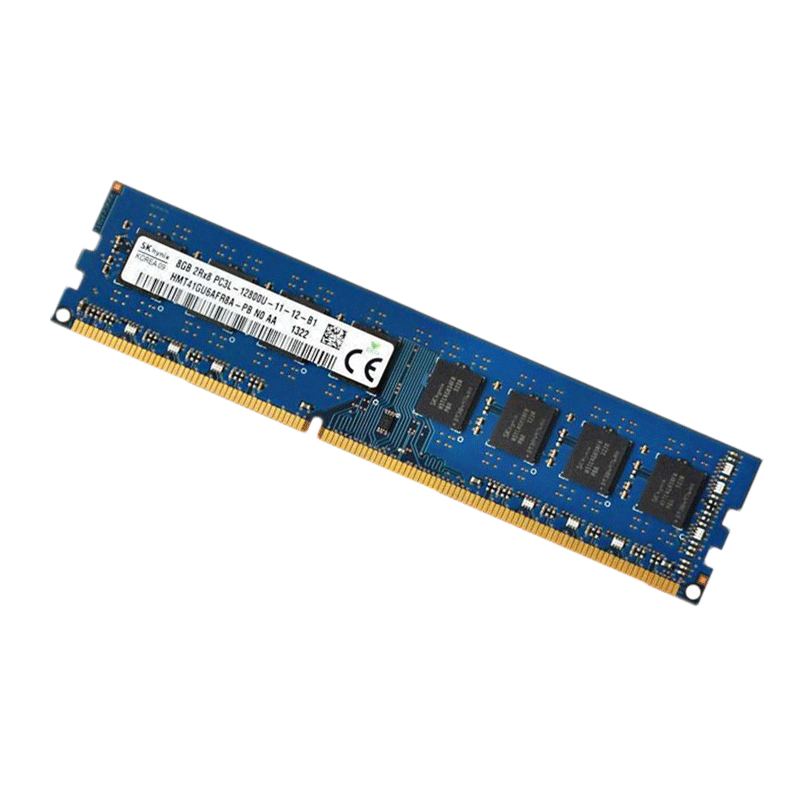
Compounding the demand-side pressures, major memory manufacturers including Samsung, SK Hynix, and Micron have strategically pivoted their production focus toward higher-margin products, particularly HBM and DDR5 . This deliberate shift has involved reducing or entirely discontinuing production of older-generation memory, especially DDR4, which remains crucial for a wide range of applications from consumer electronics to industrial systems.
The transition away from DDR4 has created a particularly severe structural supply gap. As memory manufacturers dismantle DDR4 production lines to retool for more advanced products, industry leaders like Chen Libai, chairman of Adata Technology, have noted that using new equipment to produce older-generation products like DDR4 is simply not economically viable . The result is a supply crunch that cannot be quickly resolved even as prices skyrocket.
Inventory Dynamics and Market Psychology
The physical supply-demand imbalance has been dramatically exacerbated by inventory behaviors and market psychology. With clear signals of tightening supply, manufacturers across the electronics industry have engaged in aggressive inventory building, attempting to secure memory supplies before further price increases or allocations occur . This forward-buying creates a self-reinforcing cycle where inventory demand further strains an already tight supply situation.
The psychological dimension cannot be understated. As industry reports highlight unprecedented market conditions—with Adata’s chairman noting simultaneous shortages across DRAM, NAND, SSDs, and HDDs as a first in his 30-year career —the sense of urgency intensifies, driving further panic buying and speculative behaviors.
2.Price Trends and Market Manifestations
Extraordinary Price Appreciation Across Memory Categories
The memory market’s dramatic transformation is most visible in the stunning price increases across product categories:
•DDR4 Memory: Prices for some DDR4 modules have increased by 200% or more since the beginning of 2025, with 16GB DDR4 UDIMM prices rising over 80% in just three months
•DDR5 Memory: While initially more stable, DDR5 prices have followed the upward trend, with Samsung’s 16GB DDR5 memory climbing from approximately $336 in August to over$1,009 by November 2025—a 300% increase
•Unprecedented Price Inversion: In a remarkable market anomaly, DDR4 prices have surpassed DDR5 in many cases, creating what analysts describe as “price inversion” that defies normal technology cost structures
Extended Lead Times and Allocation Environments
Beyond outright price increases, the memory market has transformed into an allocation environment where supply assurance often trumps price considerations. Lead times for some memory products have extended dramatically, with reports of substrate delivery times stretching to 3-5 months , creating planning challenges for electronics manufacturers with shorter product cycles.
3.Implications for the PCB and Electronics Ecosystem
Direct Impact on PCB Industry and Customers
For PCB manufacturers and their customers, the memory price surge translates into several critical challenges:
•Bill of Materials Cost Escalation: Memory now constitutes a significantly larger portion of total product costs. In laptops, for instance, memory’s share of BOM cost has risen from the historical range of 10-18% to potentially exceeding 20% in 2026
•Product Configuration Challenges: Electronics manufacturers are facing difficult trade-offs between absorbing cost increases (and compressing margins) versus passing costs to consumers (and risking demand destruction) or implementing specification compromises such as reducing base memory configurations
•Supply Chain Uncertainty: The memory allocation environment means that even willing-to-pay customers may face challenges securing adequate supply, potentially disrupting production schedules and product availability
Broader Market Restructuring
The memory price surge is accelerating structural changes across the electronics industry:
•Market Consolidation Pressure: Smaller smartphone brands and electronics manufacturers face particularly severe challenges, with TrendForce suggesting the memory crisis may trigger a new round of industry consolidation as “bigger players get bigger”
•Product Strategy Shifts: Manufacturers are reevaluating product portfolios, with many potentially reducing emphasis on low-margin entry-level products where memory cost increases are most damaging to profitability
•Regional Supply Chain Considerations: The crisis is focusing attention on alternative memory sources, including Chinese manufacturers like CXMT and YMTC, though their capacity to rapidly fill global supply gaps remains limited
4.Future Outlook: How Long Will High Prices Persist?
Analyst Projections and Market Indicators
Current analyst assessments suggest the memory tightness will persist through much of 2026, with Counterpoint Research forecasting that memory prices will rise an additional 50% by Q2 2026 from already elevated levels . This projection suggests a potential doubling of prices from early 2025 levels by mid-2026, representing one of the most sustained and dramatic memory price increase cycles in semiconductor industry history.
The specific trajectory is expected to show continued strength in DDR4 prices due to the irreversible nature of production capacity shifts, with gradual moderation in DDR5 pricing as additional production capacity comes online .
Technology Transition Considerations
The memory industry is in the midst of a significant technology transition, with DDR5 adoption accelerating but facing its own capacity constraints. TrendForce data indicates that DDR5 now represents over 90% of server DRAM shipments , but the broader ecosystem transition requires support from CPUs, motherboards, and operating systems, creating friction that prolongs DDR4 dependency in many applications.
Capacity Expansion Timeline
Critically, the timeline for significant new memory production capacity remains extended. New semiconductor fabrication facilities require 2-3 years from investment to production , meaning substantial relief from greenfield capacity expansions is unlikely before 2027. In the interim, the market must rely on efficiency improvements and capacity conversion within existing facilities.
5.Strategic Recommendations for PCB Industry Participants
Navigating the Current Memory Landscape
For PCB manufacturers and their customers, several strategic approaches can help mitigate memory market challenges:
•Supply Chain Collaboration: Deepen relationships with memory suppliers and distribution partners to improve visibility and allocation security
•Product Redesign Flexibility: Develop designs that can accommodate multiple memory types or configurations, providing flexibility to leverage market availability
•Inventory Management Optimization: Balance inventory strategies to buffer against supply disruptions without engaging in destructive panic buying
•Cost Management Innovation: Explore alternative approaches to managing total system cost, including potential design modifications that optimize memory utilization
Long-Term Positioning
Beyond immediate crisis management, forward-looking companies should consider:
•Technology Roadmap Alignment: Accelerate DDR5 adoption where feasible to align with industry direction and potentially access better supply conditions
•Supplier Diversification: Evaluate emerging memory suppliers and technologies to reduce concentration risk
•Product Portfolio Optimization: Rebalance product offerings to emphasize segments where memory cost increases can be more effectively managed or passed through
Conclusion: Riding the Memory Market Wave
The extraordinary memory price surge of 2024-2025 represents a fundamental market restructuring driven by the collision of AI-driven demand transformation and strategic supply shifts by memory manufacturers. For the PCB industry and its customers, this environment presents significant challenges but also opportunities for those who can most effectively navigate the volatility.
The memory market disruption is unlikely to be transient—it reflects deeper structural changes in the electronics industry as AI becomes embedded across applications. While price moderation will eventually come through capacity expansions and technology transitions, the era of memory as a cheap commodity may be permanently altered.
For PCB industry participants, success in this new environment requires sophisticated supply chain management, flexible design approaches, and strategic customer partnerships. By understanding the underlying drivers of memory market dynamics and preparing for continued volatility, companies can position themselves not just to survive the current crisis but to thrive in the evolving electronics landscape.