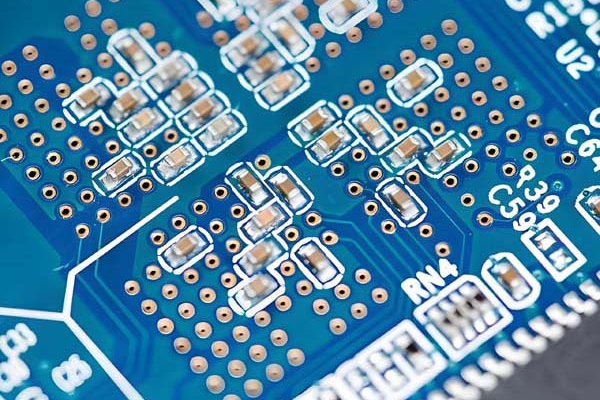
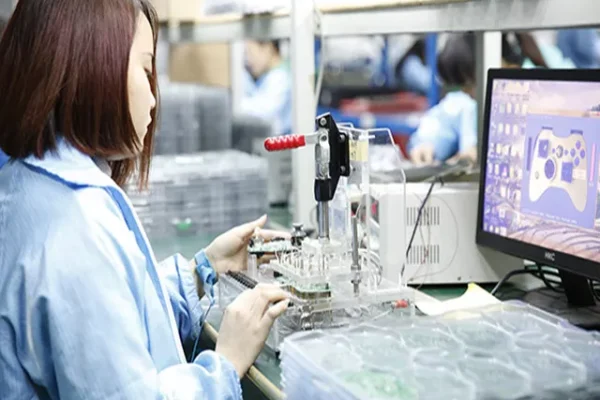
In SMT (Surface Mount Technology) process, solder paste serves as the core material connecting electronic components and PCB, and its chemical composition directly determines the soldering quality, reliability, and environmental compliance. This article will delve into the chemical composition of solder paste and explore its impact on process performance, in order to assist enterprises in making precise selections.
Table of Contents
1、 The core chemical components of solder paste
1. Alloy powder: the main body of the solder joint (accounting for 85% -90%)
Alloy powder is the core component of solder paste, based on tin (Sn), and its properties are adjusted by adding other metals:
-Common Proportions:
-Lead containing alloys, such as Sn63Pb37 (melting point 183 ° C), have good wetting properties and low cost, but are restricted by the RoHS directive.
-Lead free alloy: such as SAC305 (Sn96.5Ag3.0Cu0.5, melting point 217-220 ° C), environmentally compliant, but with a narrow process window.
-Low temperature alloys, such as SnBi58 (melting point 138 ° C), are suitable for heat sensitive components, but the mechanical strength of solder joints is relatively low.
-Function: Determine the melting point, conductivity, and solder joint tensile strength, and choose according to the PCB’s temperature resistance.
2. Flux: Ensuring welding quality (accounting for 10% -15%)
Flux ensures stable soldering process through synergistic effect:
-Resin matrix (such as rosin or synthetic resin): provides adhesion, prevents oxidation, and affects the difficulty of cleaning post weld residues.
-Active agents (organic acids or amine compounds): remove metal surface oxides and enhance solder wettability. The activity level is divided into:
-RMA (Medium Activity): Residual cleaning is required;
-RA (High Activity): Suitable for difficult to weld metals, but with a higher risk of corrosion.
-Solvent (alcohol or ether): Adjust the viscosity of solder paste to ensure smooth demolding during printing.
-Additives: Thixotropic agents prevent printing collapse, antioxidants extend storage life.
3. Other trace components
-Halogen (chlorine, bromine): Some formulations are used to enhance activity, but halogen-free solder paste (Cl/Br<900ppm) is more environmentally friendly.
-Extinguishing agent: improves the appearance of solder joints and reduces light pollution.
2、 How does the chemical composition affect the performance of solder paste
1. The alloy ratio determines the process adaptability
-The process of using lead tin paste has a high tolerance, but it does not comply with environmental regulations;
-Lead free solder paste requires higher reflow temperature and strict requirements for component heat resistance;
-Low temperature solder paste should avoid thermal damage, but it is necessary to prevent solder joint cracking caused by mechanical stress.
2. The activity level of flux affects the welding effect
-High activity soldering flux can solder severely oxidized solder pads, but it needs to be thoroughly cleaned;
-Low residue, non washable soldering flux simplifies the process, but requires higher PCB cleanliness.
3、 Environmental Trends and Selection Suggestions
-Regulatory driven: RoHS directive restricts harmful substances such as lead and cadmium, promoting lead-free solder paste to become mainstream; The IPC standard imposes clear restrictions on halogen content.
-Enterprise selection strategy:
-Consumer electronics: Prioritize the use of lead-free formulas such as SAC305 to meet environmental protection and high reliability requirements;
-Industrial equipment: If it contains large-sized components, it can be paired with lead tin paste to reduce costs;
-Flexible circuit: Low temperature solder paste (SnBi) reduces thermal stress and avoids substrate deformation.
4、 Conclusion
The chemical composition of solder paste is the “invisible commander” of the welding process, from alloy ratio to flux activity, every detail is related to the quality of the final product. With the tightening of environmental regulations and technological iteration, enterprises need to scientifically select suitable solder paste formulas based on product characteristics, cost budgets, and compliance requirements.
As a professional SMT solution provider, we can customize solder paste selection solutions for you and provide full process support. [For further information, please contact our technical team or download the product manual.]