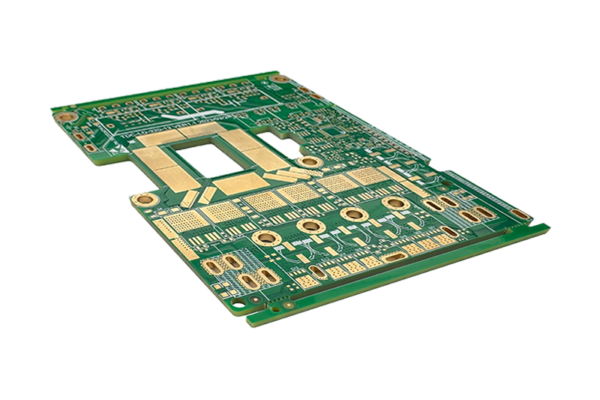
The Printed Circuit Board (PCB) industry in China has experienced rapid growth, solidifying the country’s position as the global leader in PCB manufacturing. However, while large enterprises have successfully adopted advanced technologies and established strong global supply chains, small and medium-sized domestic PCB enterprises face several challenges that hinder their competitiveness and sustainability. This article explores the key deficiencies of these enterprises and their impact on the industry.
1. Outdated Manufacturing Technologies
Many small and medium PCB enterprises in China still rely on traditional manufacturing techniques, limiting their ability to produce high-precision, high-density, and multi-layer PCBs. The lack of investment in advanced equipment, such as Laser Direct Imaging (LDI), high-speed drilling machines, and automated optical inspection (AOI) systems, results in lower product quality and reduced manufacturing efficiency. Consequently, these companies struggle to meet the demands of high-end industries such as aerospace, automotive, and telecommunications.
2. Limited R&D Capabilities
Innovation and continuous research and development (R&D) are crucial for maintaining a competitive edge in the PCB industry. However, most small and medium-sized PCB manufacturers in China allocate minimal resources to R&D due to financial constraints and short-term profit-driven strategies. This lack of innovation prevents them from developing advanced PCB solutions, such as high-frequency, high-speed, and flexible PCBs, which are increasingly in demand in modern electronics.
3. Quality Control and Reliability Issues
Ensuring high product reliability is essential in PCB manufacturing, particularly for applications requiring stringent performance standards. Small and medium enterprises often lack comprehensive quality control systems, leading to issues such as inconsistent product quality, high defect rates, and reliability concerns. Inadequate testing and failure analysis further exacerbate these problems, increasing the risk of returns, rework, and customer dissatisfaction.

4. Weak Supply Chain Management
Efficient supply chain management is critical for cost control and timely delivery in PCB manufacturing. However, many small and medium PCB enterprises struggle with unstable raw material procurement, leading to fluctuating costs and supply chain disruptions. Additionally, weak relationships with key suppliers result in limited access to high-quality materials, affecting overall product performance.
5. Compliance and Environmental Challenges
With increasing global emphasis on sustainability and environmental regulations, PCB manufacturers must adhere to strict compliance standards such as RoHS, REACH, and ISO certifications. Many small and medium enterprises lack the resources to invest in environmentally friendly production processes, such as wastewater treatment and lead-free soldering. Non-compliance not only affects their ability to enter international markets but also exposes them to legal and financial risks.
6. Market Positioning and Brand Recognition
Unlike large PCB manufacturers with established brand recognition and global partnerships, small and medium enterprises often struggle to differentiate themselves in a highly competitive market. Limited marketing budgets, lack of customer engagement strategies, and weak international presence prevent them from expanding their business beyond domestic markets. This reliance on low-margin, high-volume production further limits their profitability and long-term growth.
7. Skilled Workforce Shortage
The PCB industry requires skilled technicians, engineers, and quality control specialists to maintain high production standards. However, many small and medium enterprises face difficulties in attracting and retaining skilled professionals due to lower salaries, limited career development opportunities, and inadequate training programs. This shortage of expertise directly impacts production efficiency and innovation potential.
Conclusion
While China’s PCB industry remains a global leader, small and medium domestic PCB enterprises must address these deficiencies to stay competitive in an evolving market. Investing in advanced manufacturing technologies, strengthening R&D efforts, improving quality control, and enhancing supply chain management are essential steps toward overcoming these challenges. Additionally, prioritizing environmental compliance, brand development, and workforce training will enable these enterprises to achieve long-term sustainability and growth in the global PCB industry.