Table of Contents
Introduction
From smartphones to industrial robots, the efficient operation of modern electronic devices relies on two core components: IC (Integrated Circuit) and PCB (Printed Circuit Board). As the “brain” and “skeleton” of electronic manufacturing, the collaborative design of IC and PCB determines the performance and reliability of the equipment. This article will delve into the definition of IC, its technological advantages, and its value in conjunction with PCB.
—
1、 Definition and Structure of IC: Miniature Electronic Core
IC(Integrated Circuit), Integrated circuit is an electronic device that integrates transistors, resistors, capacitors, and other components onto tiny silicon wafers through semiconductor technology. Its core features include:
1. Highly integrated: A single chip can accommodate billions of components, such as CPUs, memory chips, etc.
2. Multi layer structure design: Nano level circuit wiring is achieved through photolithography, etching, and other processes to support complex functions.
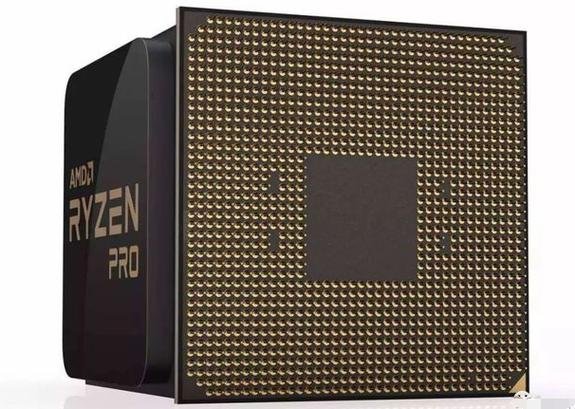
3. Standardized packaging: Common packaging forms such as DIP, SOP, BGA are easy to integrate with PCB soldering.
—
2、 Classification and Application Scenarios of ICs
According to their functions and purposes, ICs can be classified into the following types:
|Classification | Typical Applications | Industry Cases|
|—————-|———————————-|———————————-|
|Digital IC | Logic operation, data processing | Computer CPU, mobile phone baseband chip|
|Analog IC | Signal Amplification, Power Management | Industrial Sensors, Audio Devices|
|Mixed signal IC | Analog to digital conversion, communication interface | Automotive ECU, medical equipment|
|Power IC | High Voltage/Current Control | New Energy Inverter, Motor Drive|
—
3、 The technological advantages and industry impact of IC
1. Miniaturization and high performance: The nanoscale process of ICs reduces device volume by more than 90%, while improving computing speed (such as GPUs processing billions of instructions per second).
2. Low power consumption and high reliability: Optimizing circuit design to reduce energy consumption, industrial grade ICs can operate stably in environments ranging from -40 ℃ to 125 ℃.
3. Cost effectiveness: Large scale production reduces single chip costs, and the global IC market size will exceed $500 billion by 2024.
—

4、 Collaborative Design of IC and PCB: The Dual Engine of Electronic Manufacturing
1. Functional complementarity: IC realizes data processing, PCB provides electrical connection and heat dissipation support.
2. Design optimization:
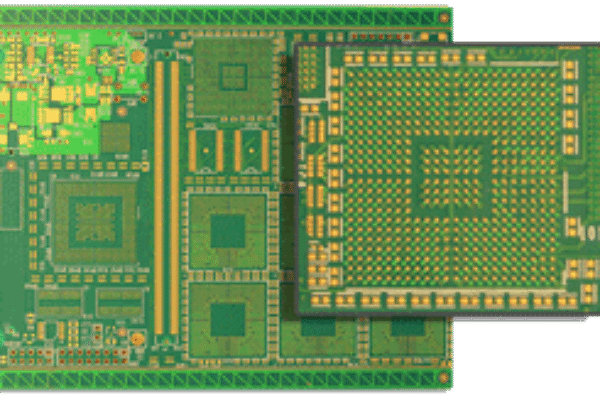
-High density interconnect (HDI) PCB: supports precise wiring of BGA packaged ICs, reducing signal loss.
-Heat dissipation design: Multi layer PCB embedded in copper substrate to solve the temperature rise problem of high-power IC.
3. Industry case: In Tesla electric vehicles, over 7000 ICs form a battery management system through PCB, which increases battery life by 30%.
—
Conclusion
IC, as the core of electronic technology, continues to drive industry upgrading through collaborative innovation with PCB. As a professional PCB manufacturer, we are committed to providing high reliability circuit board solutions for IC applications, helping customers achieve product performance breakthroughs. Contact us immediately for customized PCB design services!