Printed Circuit Boards (PCBs) are the backbone of modern electronic devices, providing structural support and electrical connections for various components. Their role extends across industries, from consumer electronics to aerospace, medical, and industrial applications. Understanding the importance of PCBs helps in appreciating their influence on performance, reliability, and functionality in electronic products.
Table of Contents
1. Foundation of Electronic Devices
PCBs serve as the fundamental platform for assembling and interconnecting electronic components. They replace traditional wiring systems with a more compact, organized, and efficient design, enhancing both performance and durability.
2. Types of PCBs and Their Applications
Single-Layer PCBs
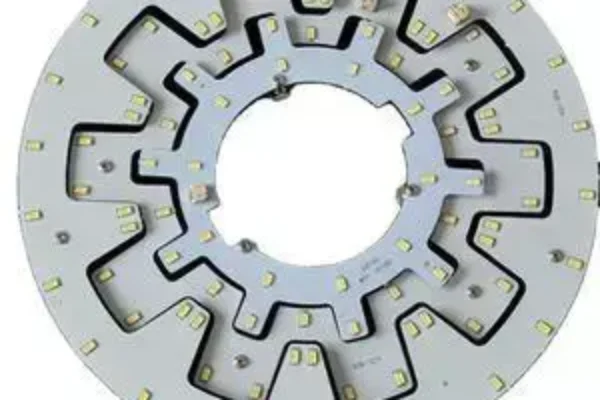
These consist of a single copper layer and are used in simple circuits, such as LED lighting, calculators, and basic consumer gadgets.
Double-Layer PCBs
Featuring two copper layers separated by an insulating material, these boards allow for more complex circuit designs. They are common in automotive electronics, power supplies, and communication equipment.
Multilayer PCBs
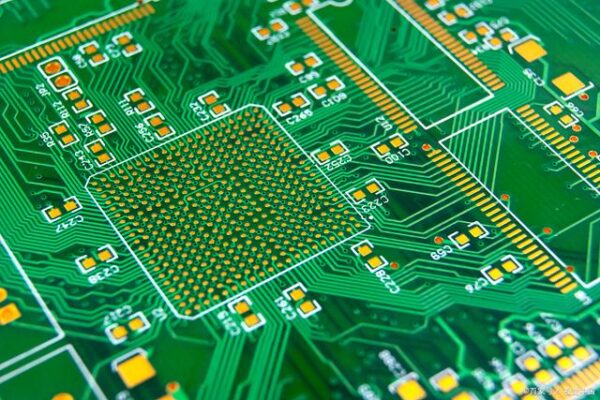
With multiple copper layers laminated together, multilayer PCBs enhance signal integrity, reduce electromagnetic interference (EMI), and support high-speed processing. They are widely used in computers, aerospace, and medical devices.
Rigid, Flex, and Rigid-Flex PCBs
Rigid PCBs are the most common type, offering structural stability and cost efficiency.
Flexible PCBs are designed for applications requiring bending, such as wearable technology and medical implants.
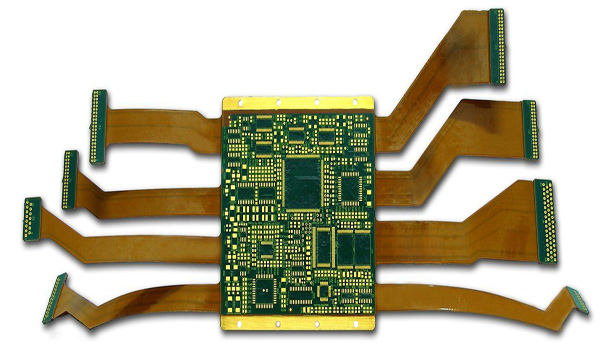
Rigid-Flex PCBs combine both properties, making them ideal for compact, high-reliability applications like military and aerospace electronics.
3. Key Functions of PCBs in Electronics
Electrical Connectivity and Signal Transmission
PCBs provide well-defined pathways for electrical signals, reducing noise and improving efficiency in circuits.
Component Miniaturization and Space Efficiency
Advanced PCB designs support high-density integration, enabling manufacturers to produce smaller, lighter, and more powerful electronic devices.
Heat Management and Reliability
Thermal vias, heat sinks, and advanced PCB materials help dissipate heat efficiently, ensuring the longevity and reliability of electronic components.
Support for High-Speed and High-Frequency Applications
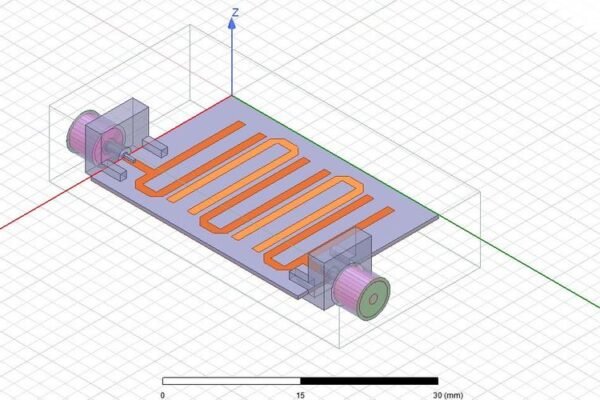
High-frequency PCBs utilize specialized materials to maintain signal integrity, making them essential for RF and microwave applications.
Conclusion
PCBs play a crucial role in the evolution of electronic devices, enabling innovation and enhancing performance. Their various types and functionalities make them indispensable across industries. As technology continues to advance, PCB designs and materials will evolve to meet the growing demands for high-speed, compact, and energy-efficient electronic solutions.