Creating your own Printed Circuit Board (PCB) can be an exciting and rewarding experience, whether you are a hobbyist, student, or engineer. While PCB manufacturing is often associated with complex industrial processes, it is entirely possible to design and fabricate a simple PCB at home with basic tools and materials. This guide will walk you through the essential steps of designing and making a simple PCB on your own.
Step 1: Designing the Circuit
Before starting the fabrication process, you need a well-planned circuit design.
Use PCB Design Software: Programs like KiCad, Eagle, or EasyEDA allow you to create schematics and layout your PCB design.
Component Placement: Ensure that all components are arranged efficiently to minimize traces and avoid crossover.
Generate Gerber Files: These files contain the necessary information for PCB manufacturing if you decide to use professional services later.
Step 2: Printing the PCB Layout
Once the design is ready, you need to transfer it onto the PCB board.
Laser Printer and Glossy Paper: Print the PCB layout onto glossy paper using a laser printer.
Heat Transfer Method: Place the printed layout onto a copper-clad board and use a clothes iron to transfer the ink onto the board.
Alternative Method: Some DIY enthusiasts use UV exposure and photoresist for more precise results.
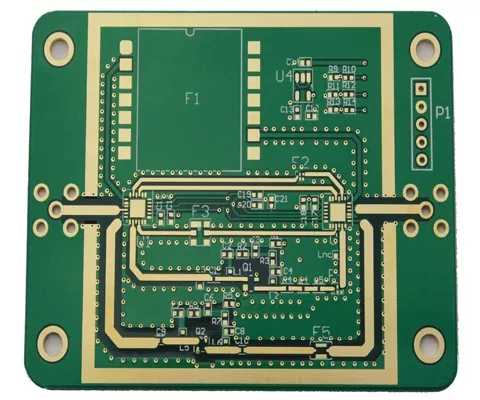
Step 3: Etching the PCB
Etching removes the unwanted copper, leaving only the necessary traces.
Ferric Chloride Solution: Submerge the board in a ferric chloride solution to dissolve the unwanted copper.
Agitate the Solution: Gently moving the board speeds up the etching process.
Safety Precautions: Always wear gloves and work in a well-ventilated area when handling chemicals.
Step 4: Drilling and Soldering
With the traces in place, the next step is to drill holes and solder the components.
Precision Drilling: Use a fine drill bit to make holes for through-hole components.
Soldering Components: Carefully solder each component, ensuring good connections and avoiding short circuits.
Testing the Board: Use a multimeter to check for connectivity and proper functioning.
Step 5: Finishing Touches
After assembly, the PCB needs some final refinements.
Cleaning the Board: Remove flux residue using isopropyl alcohol.
Protecting the Traces: Apply a solder mask or protective coating to prevent oxidation.
Mounting the Board: If necessary, enclose the PCB in a case or mount it securely in your project.
Conclusion
Building a simple PCB by yourself is a straightforward and educational process. With the right tools and a bit of patience, anyone can create a functional PCB for their electronics projects. Whether for prototyping or DIY experimentation, making your own PCB not only saves cost but also enhances your understanding of circuit design and fabrication techniques.