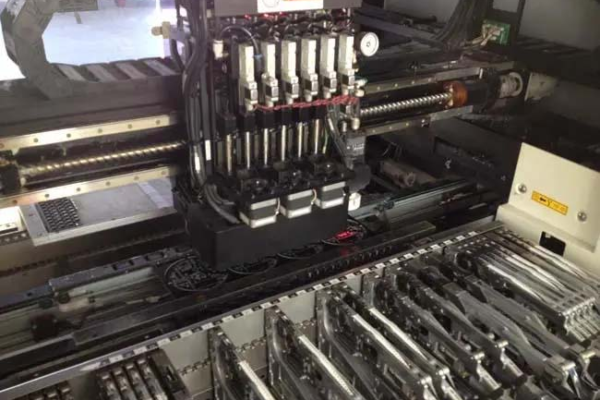
SMT, or Surface-mount technology, is an electronic component soldering process widely used in the electronics manufacturing industry. In SMT production, the use of solder paste is one of the indispensable key materials. The quality of solder paste and its long-term storage conditions have a crucial impact on the performance and stability of SMT.
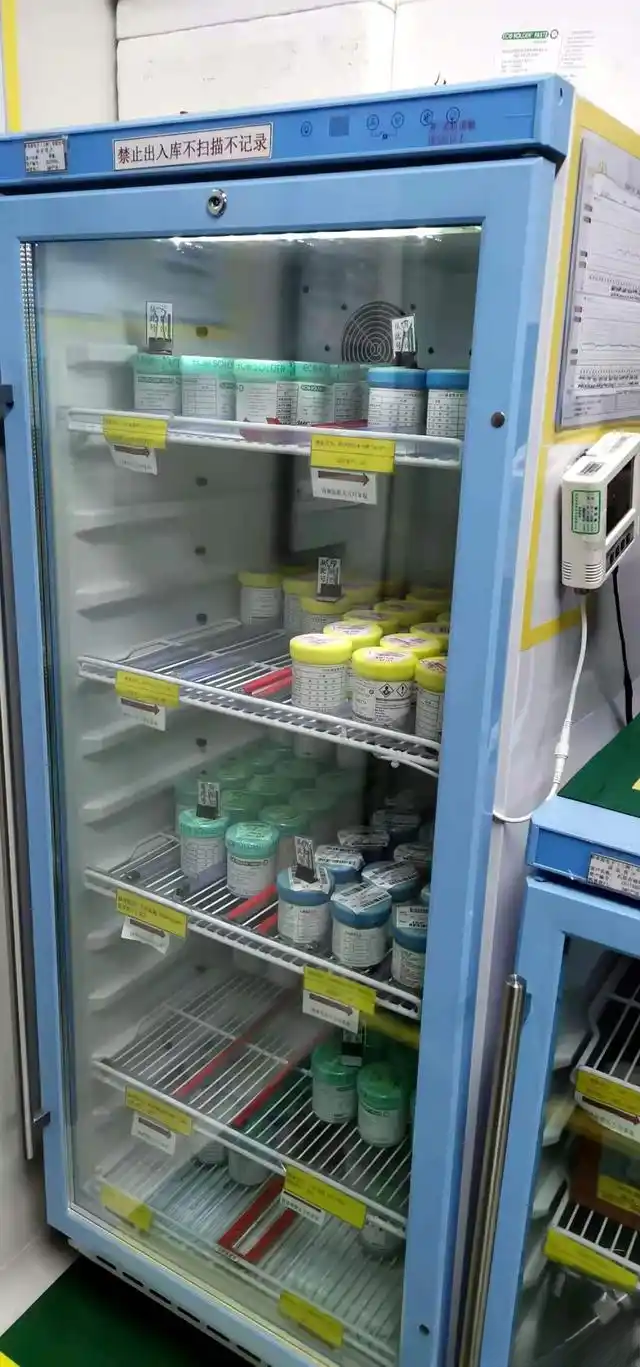
Table of Contents
First, long-term storage conditions directly affect the quality of solder paste.
IPC standards specify the storage environment and shelf life of solder paste, generally requiring storage at low temperature (usually 2–8°C) and use within the specified shelf life. This is because the activators and solvents in solder paste gradually decompose and volatilize over time, causing its soldering performance to decline. Especially when stored in high-temperature and high-humidity environments, the activators in solder paste are prone to oxidation, leading to quality problems such as poor soldering, solder balls, and cold solder joints.
Second, long-term storage conditions also affect the rheological properties of solder paste.
The rheological properties of solder paste refer to its viscosity and flow performance at different temperatures. Prolonged storage causes particle evolution in the solder paste and changes its viscosity. This affects processes such as printing, placement, and reflow in SMT production. For example, if the viscosity of solder paste is too high, printing may be inaccurate; if it is too low, problems such as component shifting during placement may occur.
In addition, long-term storage conditions also have a certain impact on the microscopic structure of solder paste.
Solder paste is a composite material composed of metal particles and a colloidal structure. Long-term storage can cause changes in its particle structure and may even lead to particle aggregation or sedimentation. These changes directly affect the flowability, wettability, and reliability of solder paste during soldering.
In summary, for SMT, the storage conditions of solder paste are crucial.
According to IPC standards, good storage conditions can extend the service life of solder paste and ensure soldering quality and production efficiency. Therefore, when storing solder paste, electronics manufacturing companies should strictly follow the regulations, reasonably arrange the order of use, and avoid long-term storage and excessive inventory. Only by storing solder paste under suitable temperature and humidity conditions and using it in a timely manner can the stability and good electrical performance of SMT products be ensured.