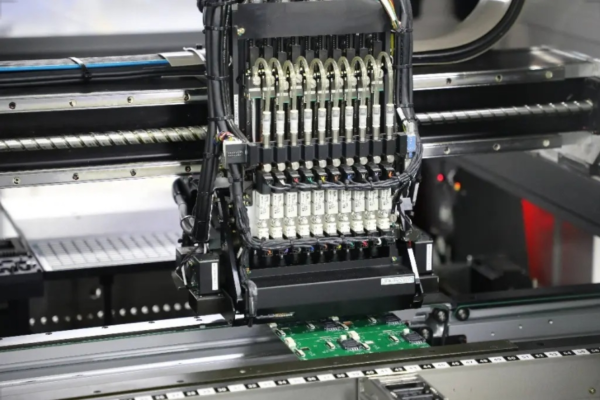
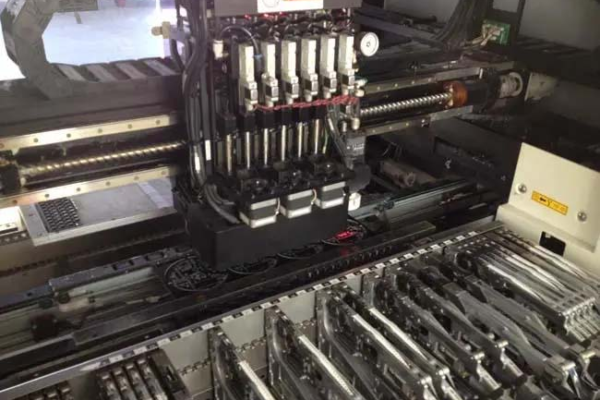
The fundamental difference between SMT and THT is the “stick” and “insert.” using the traditional through-hole technology (THT) or SMT assembly process, are different in characteristics and technology. The difference between the two is also reflected in all aspects of the PCBs, components, component form, shape and solder assembly process methods.
Through hole assembly PCB
THT use leaded components on PCB mounting holes, the component leads are inserted into pre-drilled PCB PTH holes, after temporarily fixed, using wave soldering and other wire welding technology at the other surface of the board. Establish a reliable solder joint, long-term mechanical and electrical connections, components and body joints are distributed on each sides of the board. With this method, leaded components make the circuit density to a certain extent, difficult to reduce the size of the PCB. At the same time, failure caused by interference between the wire leads close to each other sometime occurs.
Surface mount technology, using PCB PADs suitable for surface mount components or small size components, In accordance with the requirements, the components are placed on the surface of the PADs, after the reflow soldering process, components are tightly assembled.
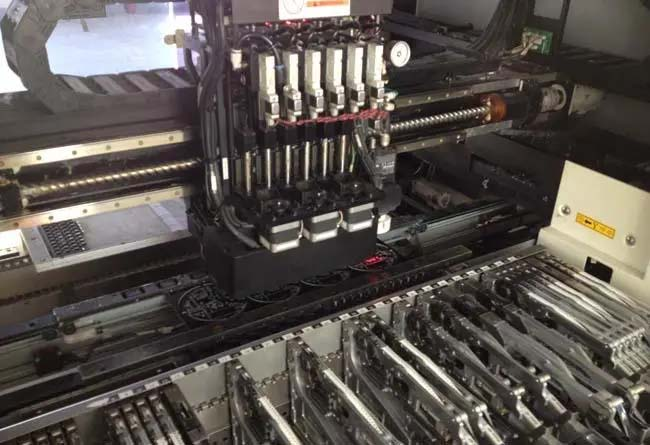
SMT assembled PCB
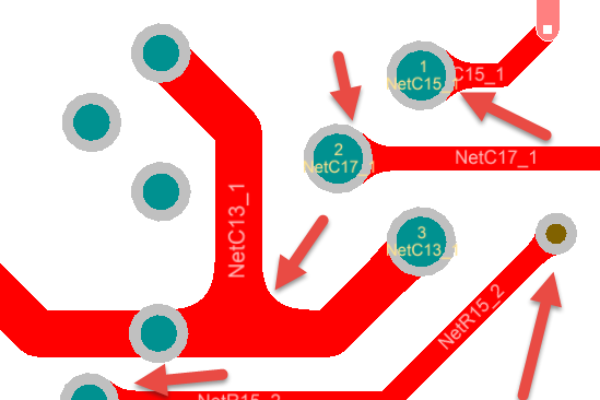
In SMT, circuit board solder joints and components are in the same side of the PCB Thus, in printed circuit board SMT, through-hole only used to achieve electrical connect both sides of the circuit board, the number of holes is much less, instead there are many small-diameter vias. This can make circuit boards mounting density greatly improved.