Printed Circuit Boards (PCBs) are the backbone of modern electronic devices, and their pricing can vary significantly based on various factors. Understanding these factors is crucial for engineers, manufacturers, and procurement teams to optimize costs while maintaining quality. Below are the key elements that influence PCB pricing.
Table of Contents
1. Material Selection
The type of material used in a PCB plays a significant role in determining its cost. Standard FR4 (fiberglass-reinforced epoxy) is commonly used for general applications, while high-performance materials like Rogers, polyimide, or aluminum-based substrates increase costs due to their specialized properties, such as higher thermal conductivity or improved signal integrity.
2. PCB Layer Count
PCBs can be single-layer, double-layer, or multilayer, with the latter significantly increasing the price. Each additional layer adds complexity to manufacturing, requiring more materials, processing time, and precise alignment techniques.
3. Board Size and Thickness
Larger and thicker PCBs require more raw materials, leading to higher costs. Additionally, non-standard board sizes may result in increased panel utilization inefficiencies, further driving up expenses.
4. Copper Thickness
The standard copper thickness for PCBs is typically 1 oz (35μm) per square foot. However, for applications requiring higher current-carrying capacity or improved thermal dissipation, thicker copper (e.g., 2 oz or more) is necessary, which increases both material and processing costs.
5. Surface Finish
Surface finishes protect copper traces from oxidation and improve solderability. Common finishes include:
HASL (Hot Air Solder Leveling) – Cost-effective but less suitable for fine-pitch components.
ENIG (Electroless Nickel Immersion Gold) – Offers excellent solderability and durability but at a higher cost.
OSP (Organic Solderability Preservative) – A budget-friendly alternative for short-term applications.
6. Trace Width and Spacing
PCBs with finer trace widths and spacing require higher precision during fabrication, increasing production difficulty and cost. High-density interconnect (HDI) PCBs, which utilize microvias and fine-line technology, are particularly expensive due to their complex manufacturing processes.
7. Drilling and Via Technology
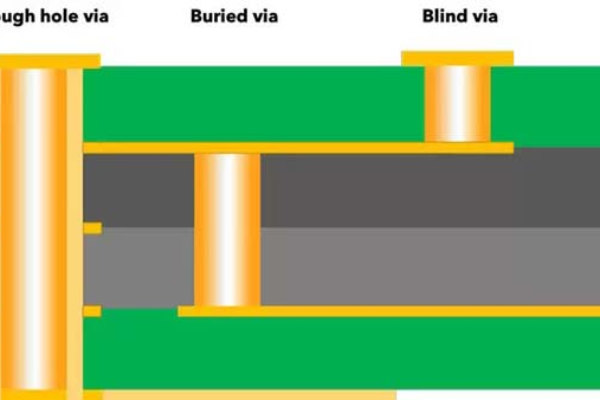
The number, size, and type of vias (through-hole, blind, buried, or microvias) impact costs. Laser-drilled microvias and blind/buried vias require additional processing steps, making them more expensive compared to standard through-hole vias.
8. Solder Mask and Silkscreen
While standard green solder masks are the most cost-effective, alternative colors like black, white, red, or blue may carry additional costs. Silkscreen complexity, including the use of multiple colors or high-resolution markings, also affects pricing.
9. Testing and Quality Control
To ensure reliability, PCBs undergo various testing processes such as:
Electrical testing (flying probe or fixture-based) to detect open or short circuits.
AOI (Automated Optical Inspection) for detecting defects in traces and components.
X-ray inspection for multilayer and BGA (Ball Grid Array) assemblies.
More stringent quality control measures increase production costs but enhance overall product reliability.
10. Production Volume and Lead Time
Economies of scale play a significant role in PCB pricing. Bulk orders reduce per-unit costs, whereas low-volume or prototype runs tend to be more expensive due to setup and tooling costs. Additionally, expedited production and quick-turn PCBs demand higher pricing due to increased workload and priority handling.
11. Geographical Location and Supplier Selection
PCB pricing varies based on the manufacturing location. Suppliers in regions with lower labor and operational costs, such as China, often offer lower prices compared to manufacturers in North America or Europe. However, factors like shipping costs, tariffs, and supply chain reliability must also be considered.
Conclusion
The cost of a circuit board depends on multiple factors, including material selection, layer count, board complexity, and manufacturing processes. By understanding these elements, businesses can make informed decisions to balance cost, performance, and quality in PCB production. Partnering with a reliable PCB manufacturer ensures not only cost efficiency but also high-quality, consistent output for your electronic products.