Content Menu
Traditional printed circuit boards (PCBs) face several challenges that impact their design, manufacturing, and overall functionality. Here are some of the key challenges identified from recent sources:
Table of Contents
Material Limitations
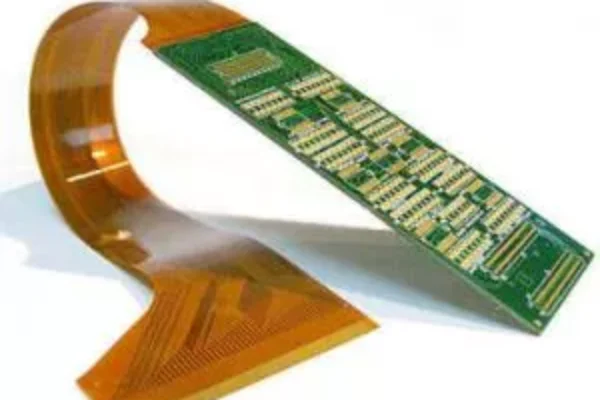
Traditional FR4 substrates are increasingly being supplemented or replaced by advanced materials like polyimide, ceramic, and metal-core PCBs. These alternatives offer better thermal management, flexibility, and durability, which are essential for modern applications in sectors like automotive and aerospace.
Complexity in Design
As electronic products evolve to be more feature-rich and compact, the complexity of PCB design increases. Engineers must balance higher performance requirements with cost efficiency, which can be a daunting task.
Manufacturing Challenges
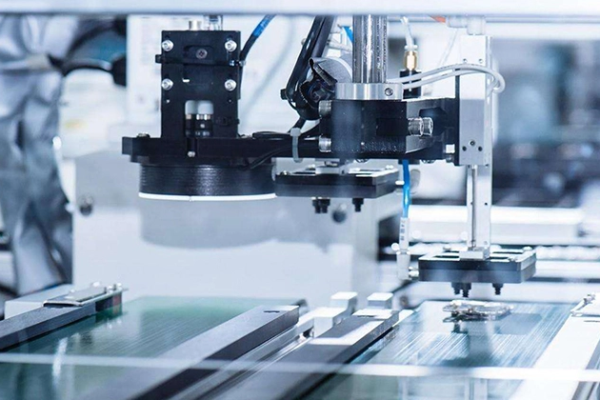
The PCB manufacturing process involves multiple stages, each with its own set of challenges. Issues such as defects during production, maintaining quality control, and ensuring timely delivery can hinder the manufacturing process.
Technological Advancements
The rise of technologies like 5G, IoT, and AI has accelerated the demand for PCBs, but it also presents challenges in adapting manufacturing processes to meet new specifications and standards.
Environmental Concerns
There is increasing pressure to adopt environmentally friendly practices in PCB manufacturing. This includes reducing waste, using sustainable materials, and complying with regulations regarding hazardous substances.
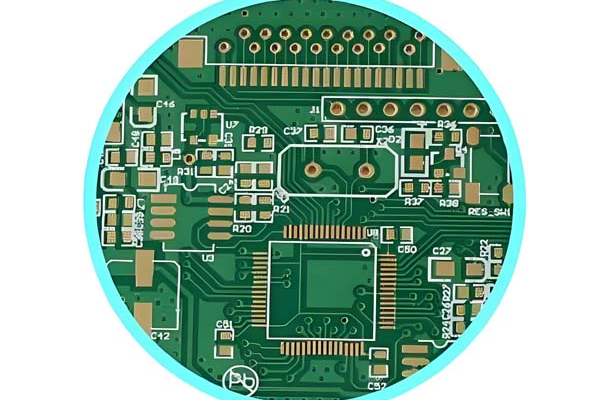
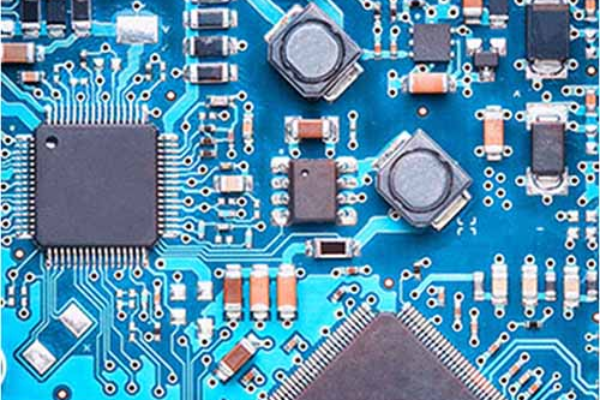
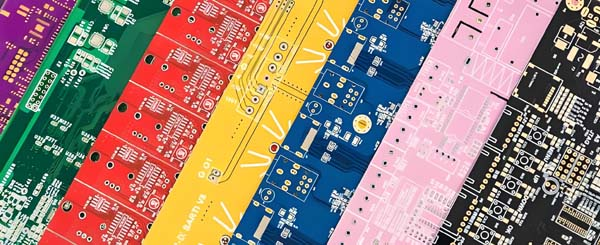
Here are some images that illustrate the challenges and trends in PCB manufacturing:
These challenges highlight the need for continuous innovation and adaptation in the PCB industry to meet the demands of modern technology.