The global Printed Circuit Board (PCB) industry has undergone significant changes over the past few years. In 2018, the industry experienced strong growth driven by the expansion of consumer electronics, 5G development, and automotive electronics. Since then, technological advancements, supply chain disruptions, and shifting market demands have continued to shape the PCB sector.
Table of Contents
PCB Industry Growth in 2018
1. Market Expansion and Key Drivers
In 2018, the global PCB industry was valued at approximately $63 billion, with an annual growth rate of around 6%.
5G and IoT Development: The early stages of 5G deployment drove demand for high-frequency PCBs.
Automotive Electronics: The rise of electric vehicles (EVs) and advanced driver-assistance systems (ADAS) fueled demand for high-reliability PCBs.
Consumer Electronics Boom: Increased smartphone and wearable device production led to higher PCB consumption.
China’s Dominance: China accounted for nearly 50% of global PCB production, benefiting from large-scale manufacturing capabilities and lower costs.
2. Technological Trends in 2018
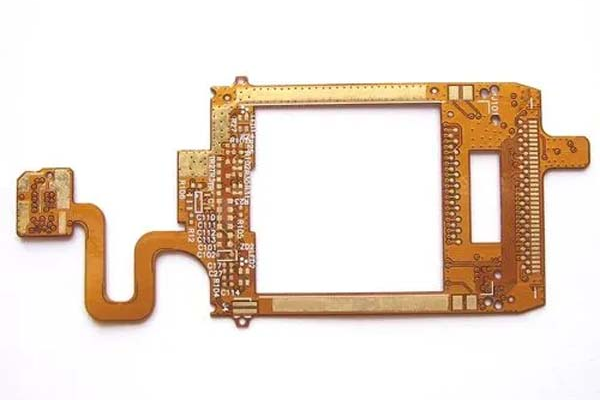
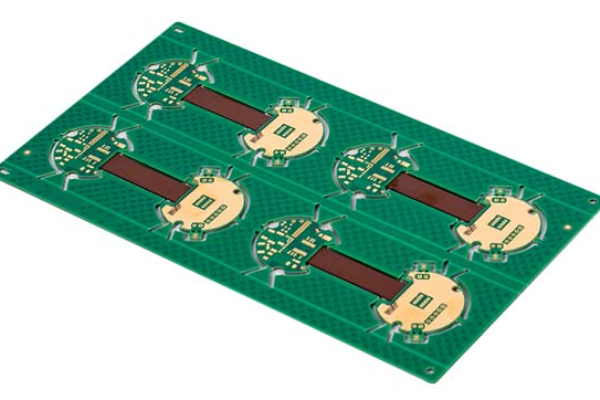
HDI and Flexible PCBs: Growing adoption in smartphones and compact electronic devices.
Embedded Components: Enhancing circuit density and reducing board size.
Advanced Materials: High-speed and high-frequency substrates to support 5G applications.
Future Outlook
Sustainable Manufacturing: Greater focus on recyclable materials and green PCB production processes.
Reshoring & Localization: Governments and industries investing in domestic PCB production.
Advanced Technologies: Increased adoption of AI-driven automation in PCB design and manufacturing.
6G and Beyond: The next phase of telecommunications will drive new PCB material and design requirements.
Conclusion
The PCB industry has evolved significantly since 2018, with new market drivers and technological advancements shaping its growth. While 2018 marked the beginning of the 5G and automotive electronics boom, recent years have seen a shift towards AI, high-performance computing, and sustainability. Moving forward, the industry will continue adapting to supply chain challenges and technological innovations, paving the way for more advanced and efficient PCB solutions.