The electronics industry is continuously evolving, driven by the demand for cost-effective and rapid delivery solutions. As technological advancements accelerate and consumer expectations rise, companies must adapt their strategies to maintain competitiveness. Lowering costs while ensuring fast delivery has become a critical challenge, requiring a combination of innovative design, optimized manufacturing, and efficient supply chain management.
Table of Contents
Optimizing Design for Cost Efficiency
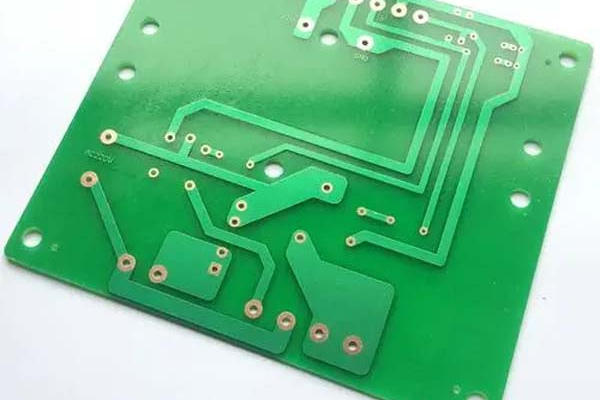
A well-optimized PCB design can significantly reduce production costs. By utilizing Design for Manufacturability (DFM) principles, engineers can minimize material waste, reduce layer count, and optimize component placement. Advanced design software, such as Altium Designer and Cadence Allegro, helps designers simulate and refine layouts to achieve cost-efficient and high-performance circuit boards. Additionally, leveraging standardized components and avoiding excessive customization can lead to more predictable production costs.
Leveraging Advanced Manufacturing Technologies
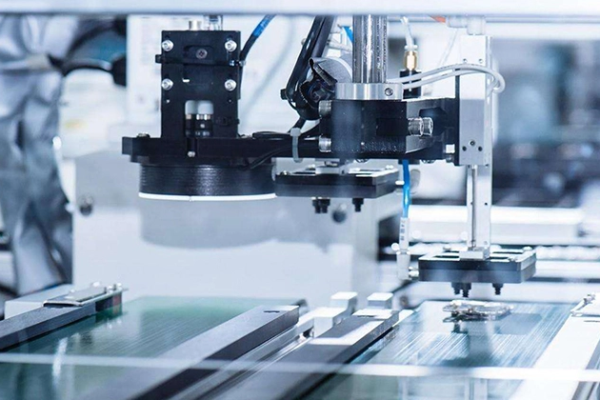
Modern manufacturing processes play a crucial role in reducing costs and improving delivery speed. High-speed Surface Mount Technology (SMT) lines, automated optical inspection (AOI), and Laser Direct Imaging (LDI) technologies enhance efficiency and precision. The adoption of additive manufacturing and 3D printing for rapid prototyping further accelerates the development cycle while reducing waste. Moreover, companies integrating Industry 4.0 solutions, such as AI-driven predictive maintenance and real-time production monitoring, can minimize downtime and optimize resource utilization.
Streamlining Supply Chain Management
A robust supply chain is essential for achieving both cost efficiency and fast delivery. Partnering with reliable suppliers and utilizing vendor-managed inventory (VMI) systems help prevent shortages and overstocking. Additionally, regional manufacturing and logistics hubs allow companies to respond quickly to market demands. Implementing digital twin technology and AI-based demand forecasting further enhances supply chain agility, enabling just-in-time manufacturing to reduce holding costs and lead times.
The Role of Low-Cost Regions in PCB Manufacturing
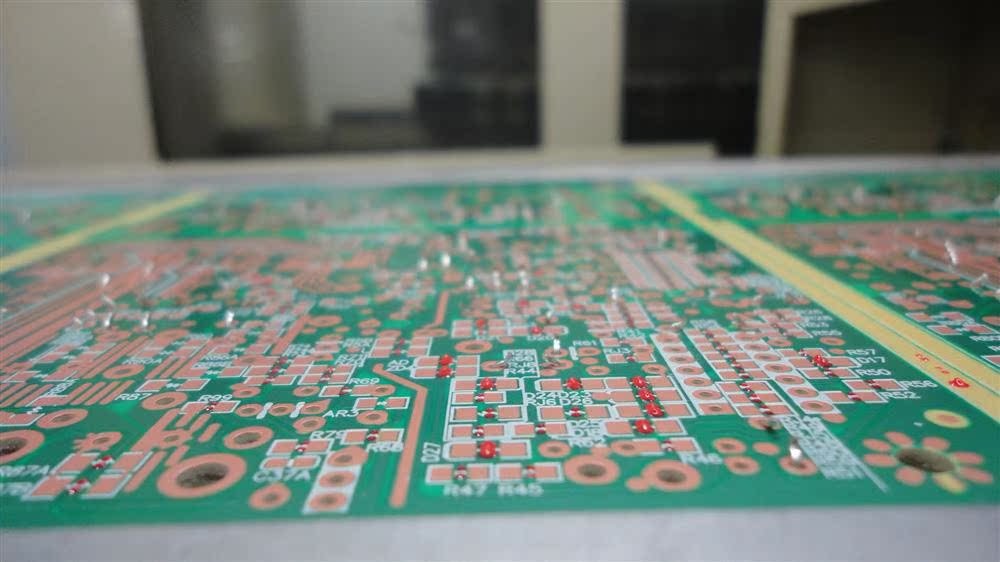
Many PCB manufacturers are shifting production to low-cost regions, such as Southeast Asia and Eastern Europe, to capitalize on lower labor costs and government incentives. Countries like Vietnam, India, and Malaysia are emerging as attractive alternatives to traditional manufacturing hubs. However, companies must carefully balance cost savings with potential risks, such as geopolitical uncertainties, trade restrictions, and quality control challenges.
Adapting to Market Trends and Consumer Demands
The rapid advancement of consumer electronics, automotive applications, and industrial IoT devices necessitates agile production processes. Shorter product life cycles require manufacturers to adopt flexible production models that allow for quick design modifications and prototype iterations. Furthermore, the growing demand for environmentally friendly and sustainable electronics is pushing companies to implement green manufacturing practices, such as lead-free soldering, recyclable materials, and energy-efficient production lines.
Conclusion
Achieving lower costs and faster delivery in the electronics market is a dynamic and ongoing process. By integrating optimized design, advanced manufacturing techniques, and efficient supply chain management, companies can remain competitive in an increasingly demanding industry. As technology and market conditions continue to evolve, businesses must embrace innovation and adaptability to sustain long-term success.