Table of Contents
1. Introduction
As electronics shrink in size yet grow in complexity, PCB designers face mounting pressure to balance electromagnetic compatibility (EMC), manufacturing efficiency, and cost. Surface Mount Technology (SMT) metal spring clips have long been the go-to solution for grounding and EMI shielding. However, SMT conductive foam—a composite of silicone/polyurethane cores wrapped in metallized foil (e.g.,Tinned copper or gold plated)—emerges as a compelling alternative. This analysis examines whether it can genuinely replace traditional clips in modern PCB assemblies.
2. Technical Comparison: Foam vs. Metal Clips
A. Electrical Performance
•Conductivity: Metal clips (Beryllium copper/phosphor bronze) excel in low-contact resistance (≤50mΩ), ideal for DC/power applications. Conductive foam, with surface resistivity of 0.03–0.1Ω/□, outperforms in high-frequency shielding (65–105dB at 1–10GHz), crucial for 5G/mmWave devices.
•EMI/ESD Protection: Foam’s continuous surface contact minimizes electromagnetic leakage, while its elasticity accommodates uneven surfaces—addressing a key limitation of rigid clips.
B. Mechanical & Environmental Reliability
| Property | Metal Clips | Conductive Foam |
| Compression Cycles | >100,000 cycles | ~10,000–50,000 cycles |
| Vibration/Shock | 50G impact/10G vibration withstand | Moderate performance |
| Temp Range | -55°C to +150°C | -40°C to +150°C (Silicone base material) |
| Compression Set | Negligible | 20–70% (improved formulations) |
Metal clips dominate in high-stress environments (e.g., automotive underhood). Foam suits static/low-frequency compression (e.g., smartphone shields).
C. Thermal & Assembly Traits
•Thermal Management: Metal clips dissipate heat efficiently; foam provides limited thermal conductivity (1.5–6.0W/m·K) but offers electrical insulation where needed.
•Form Factor: Foam supports ultra-thin profiles (0.25–3.0mm) and custom shapes via laserDie Cutting—enabling high-density layouts impossible with stamped clips.
3. Cost and Manufacturing Advantages
A. Direct Cost Savings
•Material Costs: Conductive foam typically costs 30–50% less thanGold Plating clips (e.g., $0.10/pc for foam vs. $0.15–$0.30 for clips).
•Assembly Efficiency:
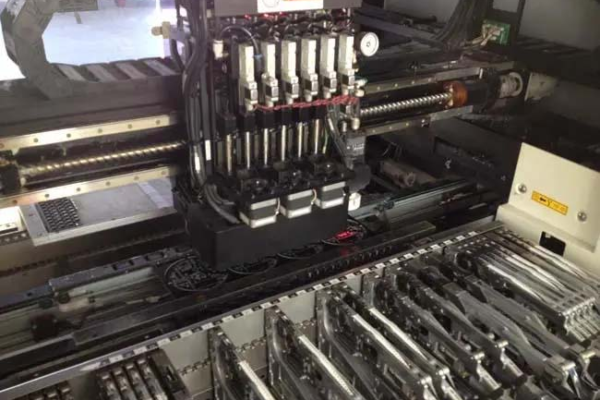
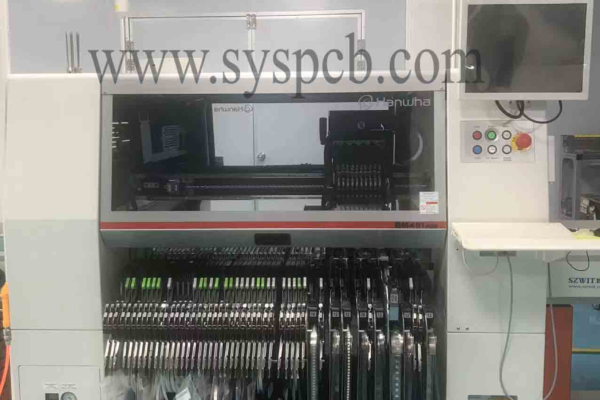
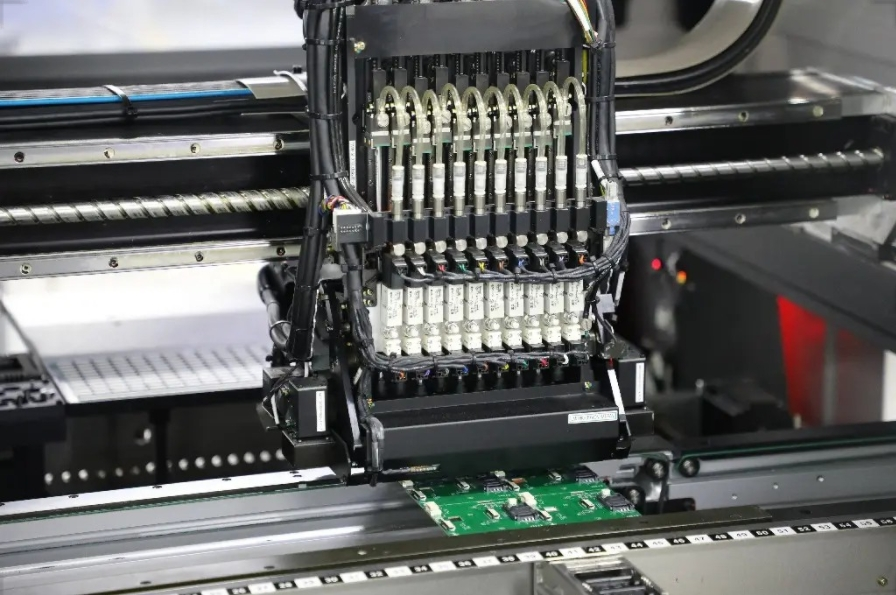
–Foam uses reel-to-reel SMT packaging, enabling full automation vs. manual clip placement.
–Reduces assembly time by ~40% and labor costs by 30%.
B. Lifecycle Economics
While clips offer longer service life, foam’s lower upfront cost and automation compatibility make it ideal for cost-sensitive, shorter-lifecycle products (e.g., consumer electronics).
4. Application-Specific Suitability
| Industry | Foam Suitability | Preferred Use Cases |
| Consumer Electronics | ★★★★★ (Mobile phone, pen battery) | Grounding, battery contact, camera EMI shield |
| Automotive | ★★★☆☆ (Emerging applications) | Infotainment, sensors |
| Industrial/5G | ★★★★☆ | High frequency base station, micro sensor |
•Static vs. Dynamic Interfaces: Retain metal clips for hinges/battery doors; use foam for fixed shields.
5. Implementation Challenges and Mitigations
•SMT Process Risks:
–Warping/Voiding: Optimize reflow profiles (<260°C) and add vent slots to preventPaste buoyancy shift.
–Weak Solder Joints: UseGold PlatingPI foil to enhance adhesion.
•Durability Limits: For high-cycle applications, specify high-rebound formulations (Rebound rate >90%).
6. Future Outlook
•Material Innovations: Nano-silver coatings and hybrid silicone cores aim to boost conductivity while lowering compression sets.
•Automotive Adoption: IP67-grade foams with extended temperature ranges (-55°C to +180°C) are in development.
7. Conclusion
SMT conductive foam is not a universal replacement for metal clips but a strategic alternative where cost, miniaturization, and high-frequency performance are prioritized. It excels in consumer electronics and emerging 5G/iot applications but faces reliability hurdles in extreme environments. SysPCB recommends a hybrid approach:
> “Use foam for 80% of static grounding/shielding needs; reserve clips for dynamic, high-stress interfaces.”
For design guidelines or material specifications, contact SysPCB’s engineering team.