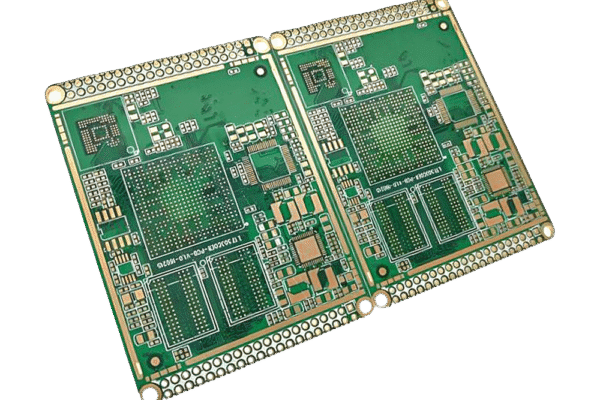
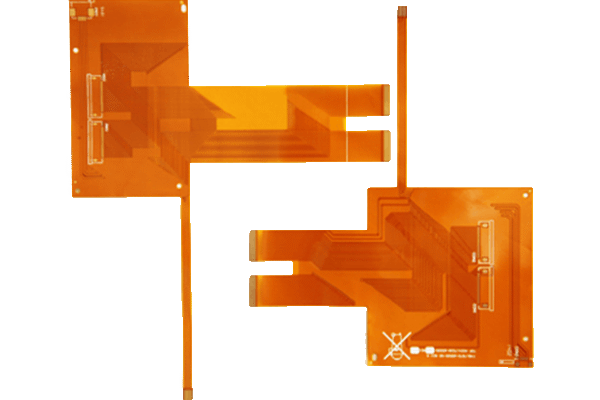
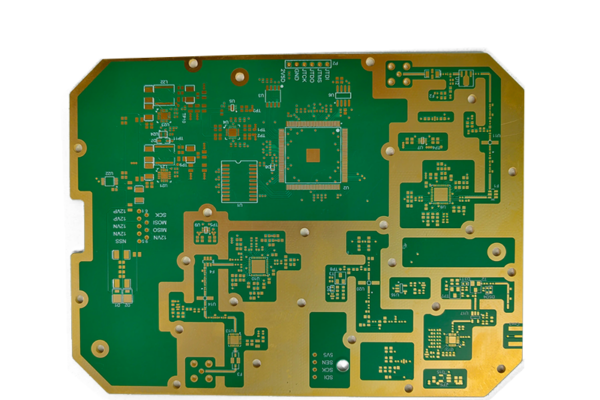
In the field of modern electronic manufacturing, PCBA (Printed Circuit Board Assembly) is the core component of electronic products, and its processing quality directly determines the performance, reliability, and service life of the product. From raw material storage to finished product delivery, PCBA processing involves numerous complex processes, and any negligence in any link may lead to quality issues. Therefore, it is crucial to establish a scientific and systematic quality control system. This article will explore in depth the key points of quality control in PCBA processing from multiple dimensions.
Table of Contents
1、 Raw material quality control: strictly control the source
Raw materials are the foundation of PCBA quality, and unqualified materials can directly lead to problems such as poor soldering and abnormal electrical performance. In PCBA processing, quality control of raw materials needs to run through the entire process of procurement, warehousing, and use.
In the procurement process, enterprises should prioritize selecting suppliers with good reputation and complete quality systems, and establish a list of qualified suppliers. At the same time, sign strict quality agreements with suppliers to clarify the technical standards, inspection methods, and quality responsibilities of materials. For key materials such as integrated circuits (ICs), capacitors, resistors, etc., suppliers are required to provide material certification, RoHS (Restriction of Hazardous Substances) certification, and other documents to ensure that the materials comply with environmental and safety standards.
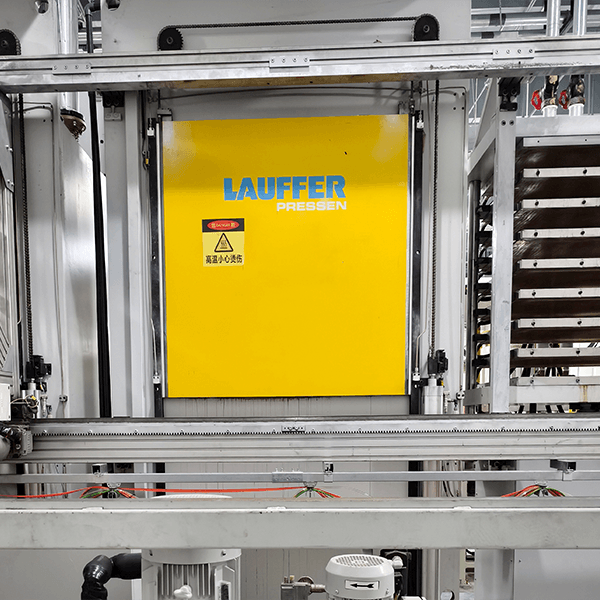
Strict inspection must be carried out before materials are put into storage. Using a combination of sampling inspection and full inspection, check whether the appearance, specifications, and parameters of the materials are consistent with the procurement requirements. For precision components such as ICs, X-ray fluorescence spectroscopy (XRF) can be used to detect their composition, and a microscope can be used to check for defects such as oxidation and deformation in the pins. Only materials that pass inspection can enter the warehouse, and non-conforming products must be promptly isolated and returned to the supplier. In addition, the storage environment of materials cannot be ignored. It is necessary to control the temperature and humidity of the warehouse to avoid factors such as moisture and oxidation affecting the performance of materials. At the same time, the first in first out (FIFO) principle should be followed to ensure that materials are used within their validity period.
2、 Production process control: consolidating the foundation of quality
The production process of PCBA processing covers multiple key links such as solder paste printing, surface mounting, reflow soldering, and wave soldering. The process parameters and operating specifications of each link will have an impact on the final quality.
Solder paste printing is the first process of SMT (Surface Mount Technology), which directly affects the quantity and positional accuracy of solder paste. It is necessary to strictly control the opening size, thickness, and cleanliness of the steel mesh to ensure that the solder paste is evenly and accurately printed on the solder pads. At the same time, regularly calibrate the parameters of the printing machine, such as scraper pressure, speed, and demolding distance, to avoid problems such as solder paste offset, insufficient printing, and excessive printing.
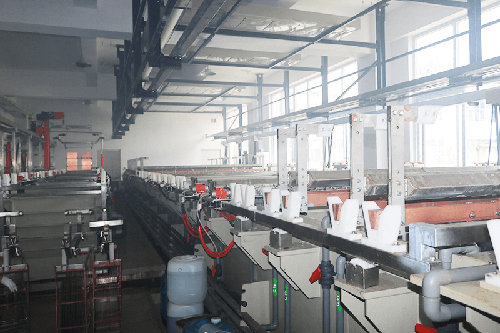
The SMT process requires extremely high precision, and the SMT machine needs to set appropriate suction nozzles and mounting parameters according to the size and type of the components. Operators need to monitor the installation process in real time, check the polarity and position of the components, and prevent adverse phenomena such as standing up or sideways. In addition, regular maintenance and calibration of the surface mount machine are carried out to ensure its mechanical accuracy and stability.
Reflow soldering is a key step in melting solder paste to achieve soldering between components and PCBs, and the temperature curve is the core factor affecting the soldering quality. It is necessary to accurately set the temperature and time parameters for the preheating zone, insulation zone, reflow zone, and cooling zone based on the characteristics of the solder paste and the heat resistance of the components, so that the solder paste can fully melt and form good solder joints. During the production process, it is necessary to regularly use a thermometer to test the furnace temperature curve to ensure that it meets the process requirements. The wave soldering process requires controlling the wave height, soldering time, and flux spraying amount to avoid defects such as virtual soldering and bridging.
3、 Process detection and quality traceability: timely discovery and improvement
Process inspection is an important line of defense for PCBA quality control, and problems in the production process can be detected in a timely manner through various inspection methods. AOI (Automatic Optical Inspection) equipment can use optical imaging technology to detect solder paste printing quality, component mounting position, and soldering defects. It can perform inspections after surface mounting and reflow soldering, quickly identifying issues such as short circuits, missing parts, and polarity reversal. X-RAY inspection is suitable for detecting the internal soldering quality of devices such as BGA (Ball Grid Array) and QFN (Quad Flat No Pin Package). Through penetration imaging, defects such as solder joints, voids, etc. that cannot be observed by the naked eye can be discovered.
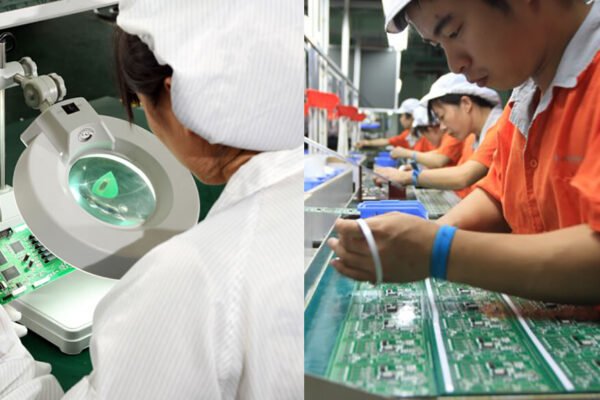
In addition to automated testing, manual visual inspection is also an indispensable step. Experienced quality inspectors can detect subtle welding defects, component damage, and other issues with the naked eye and magnifying glass. In addition, functional testing (FCT) can simulate the actual working environment of the product, detect the electrical performance and functionality of the PCBA, and ensure that the product meets design requirements.
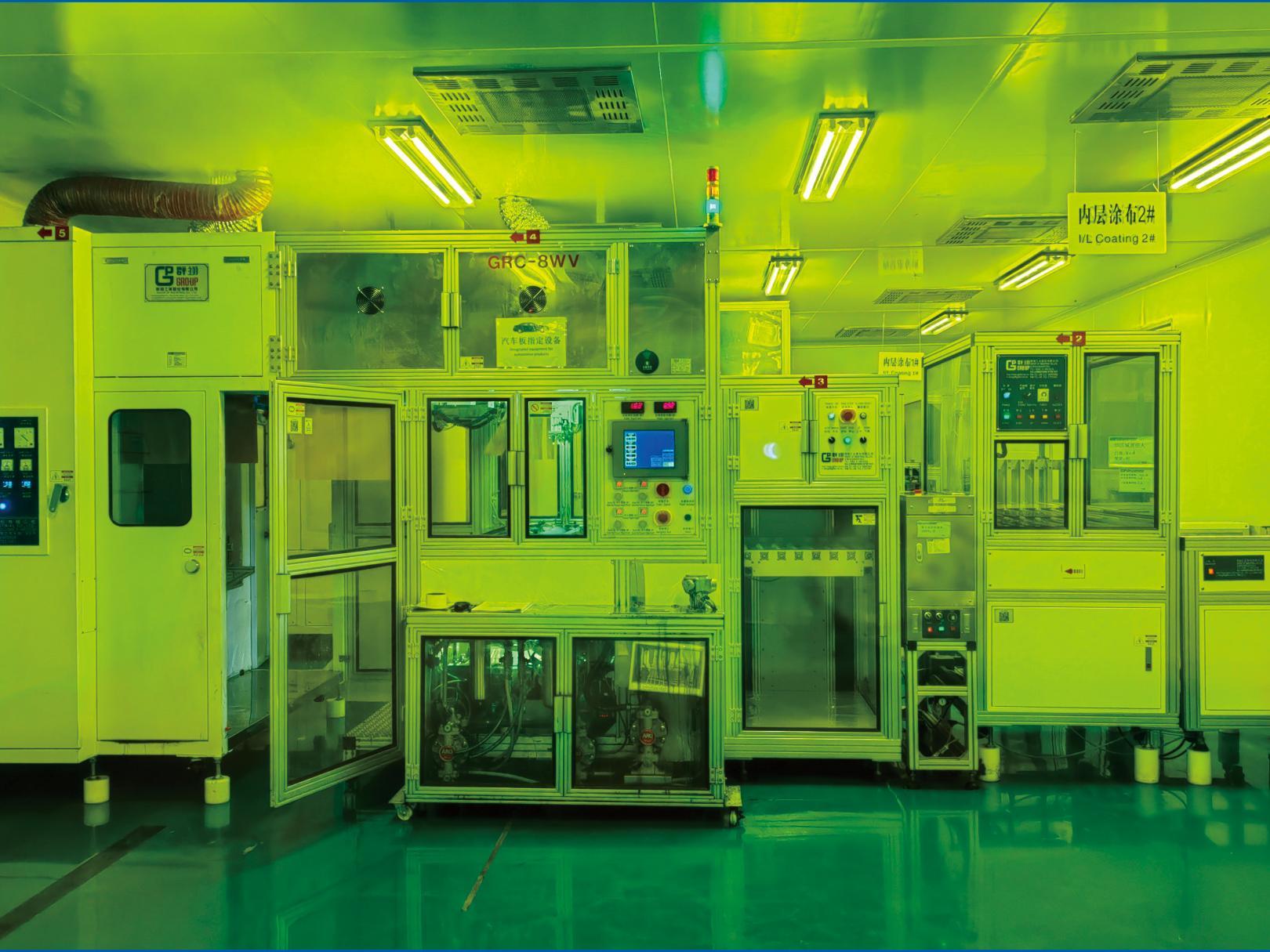
In order to quickly locate and rectify quality issues, PCBA processing needs to establish a comprehensive quality traceability system. By marking a unique traceability code on the PCB and combining it with data collection during the production process, such as material batch, equipment number, operator information, test results, etc., it is possible to quickly trace the specific link and cause of the problem, facilitate timely corrective and preventive measures, and avoid the recurrence of the problem.
4、 Personnel and Environmental Management: Soft Power Assurance for Quality
The skill level and quality awareness of operators directly affect the quality of PCBA processing. Enterprises should regularly organize employee training, covering process standards, equipment operation, quality control methods, etc., to enhance employees’ professional skills and quality awareness. At the same time, establish a reasonable performance evaluation system, link quality indicators with employee performance, and motivate employees to actively pay attention to and improve product quality.

The production environment also has a significant impact on the quality of PCBA. It is necessary to maintain the cleanliness of the workshop, control temperature and humidity, and protect against static electricity. Excessive humidity may cause components to become damp, while static electricity can damage sensitive electronic components. Therefore, the workshop needs to be equipped with anti-static flooring, anti-static workbenches, and ion fans. Operators need to wear anti-static clothing and wristbands to ensure that the production environment meets the requirements.
Quality control in PCBA processing is a systematic engineering that requires strict control from multiple dimensions such as raw materials, production processes, testing methods, personnel, and environment. Only by establishing a sound quality control system and implementing the key points of each link can high-quality and highly reliable PCBA products be produced, providing a solid guarantee for the stable operation of electronic products.
The above introduces the key points of PCBA processing quality control from multiple aspects. If you feel that some parts need to be elaborated in more detail or have other supplementary needs, please feel free to let me know at any time.
Get your exclusive quote immediately: fill out the form or send an email directly, and we will provide you with a quote service within 24 hours. Enjoy free DFM optimization and a 10% discount on SMT patches for your first order!