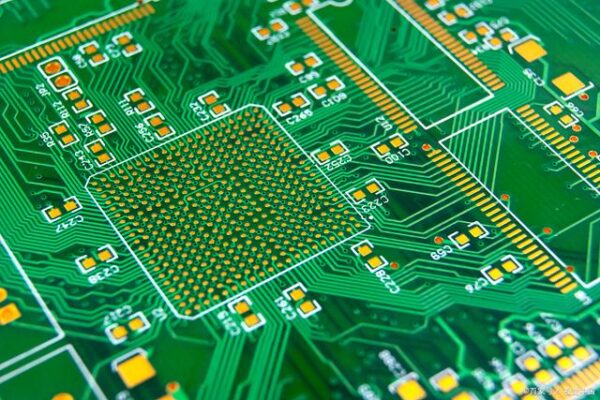
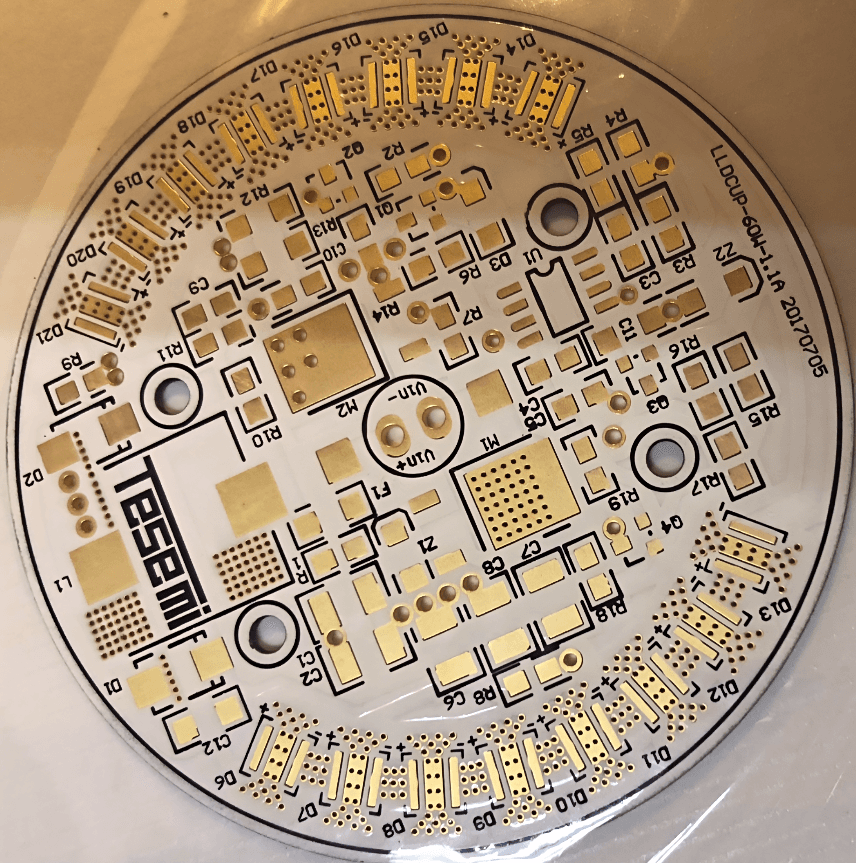
Aluminum substrate is a special PCB with aluminum alloy as the base layer, insulation layer (usually thermal conductive resin or ceramic) in the middle, and copper foil on the surface. Its core advantage lies in its efficient heat dissipation ability, which is highly compatible with the core requirements of high-power LEDs (light-emitting diodes) – high-power LEDs generate a large amount of heat during operation. Poor heat dissipation can cause the chip junction temperature to rise, leading to accelerated light decay, color drift, and even device burnout. The following provides a detailed analysis of its advantages and typical applications:
Table of Contents
Ⅰ.The core advantages of aluminum substrate in high-power LED products
1. Excellent heat dissipation performance, reducing LED junction temperature
ectric conversion efficiency of high-power LEDs (such as chips above 1W) is about 20% -30%, and the rest of the energy is released in the form of heat (for example, a 10W LED will generate 7-8W of heat). The photoelectric conversion efficiency of high-power LEDs (such as chips above 1W) is about 20% -30%, and the rest of the energy is released in the form of heat (for example, a 10W LED will generate 7-8W of heat).

The aluminum alloy base layer of the aluminum substrate (with a thermal conductivity of about 150-230 W/(m · K)) combined with a high thermal conductivity insulation layer (with a thermal conductivity of 1-10 W/(m · K), much higher than the traditional FR-4 substrate’s 0.2-0.3 W/(m · K)) can quickly conduct the heat generated by the LED chip from the solder joint to the aluminum base layer, and then diffuse to the heat sink or housing through the aluminum base layer, significantly reducing the chip junction temperature (ideally, the junction temperature can be controlled below 85 ℃, far below the critical failure temperature of LED of 120 ℃).
For every 10 ℃ decrease in junction temperature, the lifespan of LED can be extended by 2-3 times, and the light decay rate can be reduced by about 15%. Therefore, aluminum substrate is the core carrier to ensure the long-term stable operation of high-power LED.
2. Reduce thermal stress and improve structural reliability
The difference in coefficient of thermal expansion (CTE) between LED chips (semiconductor materials) and traditional PCBs (FR-4) is significant (chip CTE is about 4-8 ppm/℃, FR-4 is about 15-20 ppm/℃), and long-term thermal cycling can cause solder joints to crack due to stress accumulation.
The CTE of the aluminum alloy base layer of the aluminum substrate is about 23-27 ppm/℃. Through the buffering design of the insulation layer, it can better match the CTE of LED packaging (such as ceramic base, metal bracket), reduce the mechanical stress caused by thermal expansion and contraction, and lower the risk of failure such as solder joint detachment and wire breakage.
3. Strong structural rigidity, suitable for installation of high-power lamps
High power LED lighting fixtures (such as street lamps and floodlights) typically require the installation of multiple high-power chips (such as 10-100 1W LEDs) and need to be fixed with large heat dissipation structures (such as fins and heat pipes). The aluminum alloy base layer of the aluminum substrate has high mechanical strength (more resistant to bending and impact than flexible PCB or thin FR-4), and can be directly used as the “structural skeleton” of the lamp, simplifying the assembly process (without additional metal brackets), while avoiding circuit deformation caused by installation stress.
4. Simplify the design of the cooling system and reduce costs
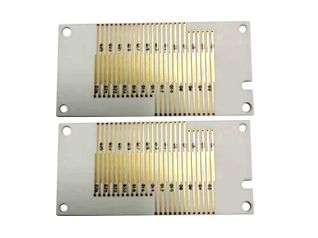
The aluminum base layer of the aluminum substrate can be directly fixed to the heat dissipation shell or fins through screws (without the need for additional thermal conductive silicone pads or adhesives), and heat is efficiently transferred through the path of “LED chip → aluminum substrate copper foil → insulation layer → aluminum base layer → heat dissipation structure”, reducing the thermal resistance loss of “multi-layer transfer” in traditional heat dissipation solutions.
Compared to the combination of “FR-4 substrate+independent heat sink+thermal paste”, the aluminum substrate solution can reduce the cost of heat dissipation components by 30% -50%, while also reducing the size of the lighting fixture (especially suitable for outdoor compact space scenes).
5. Balance between electrical performance and heat dissipation
The insulation layer of the aluminum substrate (such as epoxy resin+ceramic filler) has a thickness of only 50-200 μ m. While ensuring high insulation strength (breakdown voltage ≥ 2kV), it does not affect the circuit wiring design (copper foil thickness can be selected from 1-3oz to meet high current requirements). It is compatible with the integrated layout of LED driver circuits (such as constant current sources and protection circuits) and LED chips, reducing losses caused by wire length.
Ⅱ.Typical application of aluminum substrate in high-power LED products
The advantages of aluminum substrate make it a “standard configuration” for high-power LED scenarios, with specific applications including:
1. Outdoor lighting
-Street lamp/tunnel lamp: The single lamp power is usually 30-300W, and it needs to work stably in extreme environments of -40 ℃~60 ℃. The aluminum substrate can quickly dissipate heat to the lamp body fins, avoiding the decrease in light efficiency caused by frost in winter or overheating in summer.
-Landscape floodlight: with a long illumination distance (requiring 10-50W power), compact lamp size, aluminum substrate can be directly attached to the metal shell, balancing heat dissipation and waterproofing (through surface spraying treatment).
2. Industrial and commercial lighting
-Workshop/warehouse ceiling lights: with a power of 50-200W, they need to work continuously for a long time (12-24 hours a day). The low junction temperature characteristics of the aluminum substrate can reduce maintenance frequency (avoiding frequent replacement of LED modules).
-Explosion proof lamp: In flammable and explosive environments, the metal base of the aluminum substrate can form an “integral heat dissipation body” with the explosion-proof shell, avoiding safety hazards caused by local high temperatures.
3. Automotive lighting
-LED headlights: single lamp power of 20-50W (higher demand for high beam), working environment with large vibration and severe temperature fluctuations (engine compartment temperature can reach over 100 ℃), aluminum substrate’s anti vibration and thermal stress compatibility can ensure the lifespan of the headlights (requirement ≥ 5000 hours).
-Vehicle grade turn signal/brake light: High power LED (5-15W) requires fast response, and aluminum substrate can avoid light flickering caused by instantaneous heating.
4. Special lighting
-Stage lighting: Spot lights and spotlights can have a power of 100-500W, requiring high brightness and frequent switching (high thermal shock). The aluminum substrate can quickly dissipate heat, avoiding color temperature drift that affects the performance effect.
-Plant growth light: Multiple sets of 10-50W LED arrays (mainly red/blue light), requiring close range irradiation of plants (limited heat dissipation space), aluminum substrate can quickly dissipate heat through a small fan on the back to ensure stable light efficiency.
5. Medical and agricultural lighting
-Medical shadowless lamp: with a power of 50-150W, it needs to irradiate the surgical area for a long time (to avoid light attenuation affecting the field of view). The low junction temperature characteristic of the aluminum substrate can reduce the attenuation of light intensity.
-Greenhouse fill light: High power LED (50-200W) needs to work in high humidity environments. After moisture-proof treatment, the aluminum substrate can avoid circuit corrosion caused by water vapor and ensure heat dissipation efficiency.
Summarize
The aluminum substrate perfectly solves the heat dissipation pain points of high-power LEDs through its characteristics of “high thermal conductivity+low stress+strong structure”, which is the key technical support for its transition from “laboratory samples” to “industrial applications”. With the development of LED power towards higher levels (such as industrial laser lighting above 1000W), aluminum substrates are also upgrading towards “ceramic insulation layer” (thermal conductivity 10-30 W/(m · K)), “integrated fin design” and other directions, further unleashing the performance potential of high-power LEDs.
Get your exclusive quote immediately: fill out the form or send an email directly.As a professional PCB manufacturer for hobbyist , we will provide you with a quote service within 24 hours. Enjoy free DFM optimization and a 10% discount on SMT patches for your first order!