PCBA Cleaning Professional Guide: Ensuring the Reliability and Lifespan of Electronic Components
In the field of electronic manufacturing, the cleanliness quality of PCBA directly determines the long-term reliability of the product. Data shows that incomplete removal of ion pollutants can increase the failure rate of circuit boards by 300%, especially in high temperature and high humidity environments, which may cause electrochemical migration, short circuits, and even system failure. This article will delve into the core precautions and methods for PCBA cleaning, helping you avoid risks and improve product quality.
Table of Contents
1、 Key preparations before cleaning
1. Identification and protection of sensitive components
The following components are prone to functional failure when in contact with cleaning agents and require isolation measures:
| Component type | Protection scheme | Failure risk |
| Connector/switch | Apply anti chemical tape | Contact oxidation leads to poor contact |
| LCD/optical components | peelable adhesive full coverage | surface atomization, reduced light transmittance |
| Buzzer/motor | Nitrogen local flushing instead of immersion | Corrosion of diaphragm, coil short circuit |
| BGA/Tight Foot IC | Apply sealant around | Bottom leakage triggers dendrite growth |
Operating standards:
-Wear anti-static gloves/glasses to prevent ESD damage
-Use ceramic tweezers to avoid scratching the solder pads with metal tools
2. Scientific selection of cleaning agents
-Water based cleaning agent: suitable for removing polar pollutants (such as soldering flux organic acids), needs to be rinsed with deionized water (conductivity ≤ 0.5 μ S/cm)
-Carbon hydrogen solvent: efficiently dissolves rosin resin, but VOC emissions need to be controlled

-Taboos: Chlorine containing solvents (corroding copper foil), acetone (dissolving plastic seals), strong alkaline cleaning agents (damaging aluminum capacitors)
>Technical tip: Conduct a Water Break Test before cleaning – maintain a uniform water film on the surface for ≥ 30 seconds, indicating that the pollutant has been reduced to a cleanable range.
2、 Core control points of cleaning process
1. Precise control of process parameters
Taking water-based cleaning as an example, typical parameters are as follows:

Note: The conductivity of each level of float water should be ≤ 100 μ S/cm, otherwise it should be replaced immediately
2. Method selection and risk avoidance
-Ultrasonic cleaning:
Be cautious when using PCBA with microelectronic components! The cavitation effect may lead to:
-Internal cracks in ceramic capacitors (increased risk above 20kHz)
-MEMS sensor structure failure
Alternative solution: Use spray cleaning with an inclination angle of ≥ 50 ° to enhance the penetration of narrow slits
-Hand scrubbing:
Only for local pollution, use a soft bristled brush (nylon grade 6) dipped in a special solvent and gently brush in one direction to avoid damage to the solder joints
3、 Post processing and quality verification
1、The drying process determines the ultimate success or failure
-Step drying: pre drying at 40 ° C for 20 minutes → main drying at 60 ° C for 30 minutes → vacuum dehydration
-Failure case: Due to incomplete drying of a certain BGA, residual moisture in the cavity caused corrosion and short circuit of MLCC after cold and hot cycles
2. Quantitative testing standards for cleanliness
| Testing items | Methods | Qualification standards | Basis |
| Ion residue | Extraction solution resistivity method | ≤ 1.56 μ g NaCl/cm ² | IPC-570 |
| Organic pollutants | FTIR spectroscopic analysis | No characteristic peaks of rosin/resin | ISO 8502-9 |
| Visual inspection | 10x magnifying glass | No whitening/particle/adhesive residue | IPC-A-610 Class 3 |
| Surface insulation resistance | 100V DC/50% RH/168h | >1 × 10 ⁹ Ω | IPC-TM-650 2.6.3.7 |
4、 Frontier Trends: Green and Intelligent Cleaning Solutions
1. Closed loop zero emission system:
CuCl ₂ micro etching solution regeneration technology achieves copper recovery rate>99% and reduces waste liquid treatment costs by 60%
2. AI visual quality inspection:
Deep learning algorithm automatically identifies bottom residue of 0201 component with a misjudgment rate of<0.1%
3. Low temperature plasma cleaning:
Clean organic pollutants at 40 ° C, suitable for thermal sensitive medical device PCBA
Conclusion: Systematic Management of Clean Technology
PCBA cleaning is not an isolated process, but needs to run through the entire design manufacturing testing process:
-DFC (Design for Cleaning): Reserve cleaning channels during layout to avoid component shadow effects
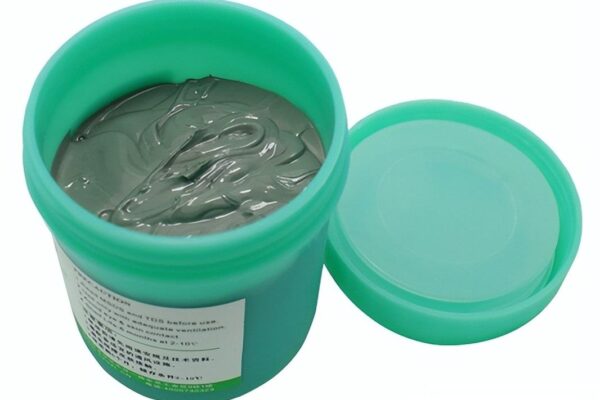
-Material synergy: Select low residue solder paste (solid content<2%)
-Process monitoring: Real time warning of pollutant concentration using online conductivity sensors
→ [Download PCBA Cleaning Process Checklist]
Guidelines for Protection of Sensitive Components, IPC Standard Comparison Table, and Fault Case Analysis