The development of PCB materials is critical to advancing electronic performance, reliability, and efficiency. As modern applications demand higher speeds, better thermal management, and improved durability, PCB materials have evolved to meet these stringent requirements. This article explores the latest trends and innovations in PCB material development.
Table of Contents
1. Evolution of PCB Materials
Traditional PCB materials, primarily FR4, have been widely used due to their cost-effectiveness and balanced electrical and mechanical properties. However, as electronic devices become more complex, new materials have emerged to address performance limitations.
Key Milestones in PCB Material Development:
Introduction of high-Tg (glass transition temperature) FR4 for improved thermal stability.
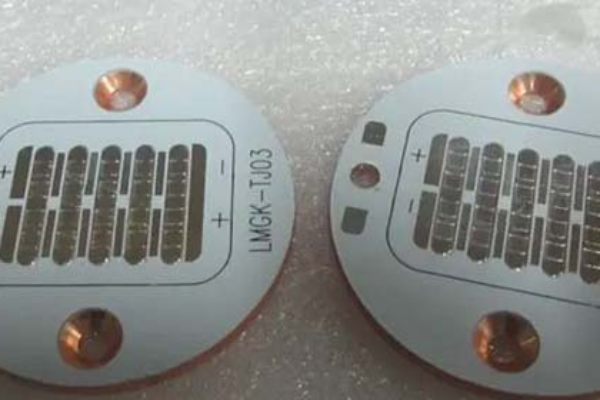
Adoption of metal-core PCBs (MCPCBs) for enhanced heat dissipation in power electronics.
Development of high-frequency laminates to support high-speed signal transmission in RF and microwave applications.
Utilization of flexible and rigid-flex materials to accommodate compact and dynamic electronic designs.
2. Advanced PCB Materials and Their Applications
High-Tg and High-Temperature Materials
High-Tg PCBs provide greater resistance to heat, making them suitable for automotive, aerospace, and industrial applications where high temperatures are a concern.
High-Frequency Laminates
Materials like Rogers, Taconic, and Megtron are engineered to reduce dielectric loss and maintain signal integrity, critical for RF, 5G, and satellite communications.
Metal-Core PCBs (MCPCBs)
By incorporating aluminum or copper cores, MCPCBs improve heat dissipation, making them ideal for LED lighting, power modules, and high-performance computing.
Flexible and Rigid-Flex PCBs
These materials allow for three-dimensional circuit designs, benefiting applications such as wearable technology, medical implants, and aerospace electronics.
Eco-Friendly and Halogen-Free Materials
With increasing environmental regulations, the industry is shifting towards halogen-free and biodegradable PCB materials to reduce ecological impact.
3. Future Trends in PCB Material Development
Nanomaterials and Conductive Polymers
The integration of nanomaterials, such as graphene and carbon nanotubes, promises enhanced conductivity and mechanical strength for next-generation PCBs.
3D Printable PCB Materials
Additive manufacturing techniques are driving the development of 3D-printed PCBs, allowing rapid prototyping and innovative circuit designs.
Embedded Passive and Active Components
Future PCB materials will support embedded components, reducing size and improving electrical performance in high-density applications.
High-Thermal Conductivity Composites
New composite materials with superior thermal management capabilities will enable advanced power electronics and electric vehicle applications.
Conclusion
The continuous evolution of PCB materials is essential to meet the growing demands of modern electronics. From high-frequency laminates to eco-friendly substrates, material innovation plays a pivotal role in shaping the future of circuit board technology. As industries move towards higher performance and sustainability, the development of next-generation PCB materials will remain a key focus for researchers and manufacturers alike.