When designing a Printed Circuit Board (PCB), one of the most important decisions is selecting the right surface treatment. The surface finish plays a crucial role in ensuring the durability, electrical performance, and manufacturability of the PCB. Surface treatments can prevent oxidation, improve solderability, and enhance the longevity of the PCB. This blog will guide you through the various surface treatments available for PCBs, factors to consider when choosing the right treatment, and the advantages of each option.
Table of Contents
What is PCB Surface Treatment?
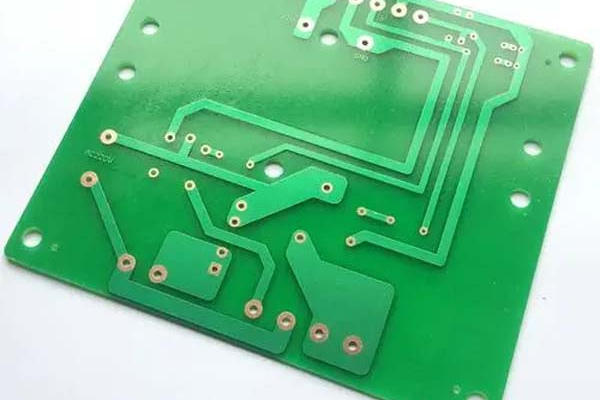
Surface treatment for PCBs refers to the process of coating or applying a thin layer on the copper surface of the PCB. These treatments protect the copper from corrosion, oxidation, and other environmental factors while ensuring that components can be properly soldered during assembly. Different surface treatments are used depending on the specific needs of the PCB, such as for high-frequency applications, automotive, or consumer electronics.
What are the common types of PCB surface treatment?
There are several types of surface treatments available for PCBs, each with its own benefits and applications:
1. HASL (Hot Air Solder Leveling)
Hot Air Solder Leveling (HASL) is one of the most widely used PCB surface finishes. The process involves applying a layer of molten solder to the PCB and then leveling it using hot air. HASL provides a durable, cost-effective finish and is suitable for a wide range of applications.
Advantages:
Affordable and widely available.
Good for standard applications.
Reliable solderability.
Disadvantages:
Not ideal for fine-pitch components due to roughness of the surface.
Lead-based HASL is restricted in many regions due to environmental concerns (RoHS compliance).
2. ENIG (Electroless Nickel Immersion Gold)
ENIG is a popular surface treatment for high-end PCBs, especially in consumer electronics, medical devices, and communication equipment. The process involves a two-step plating method: first, a layer of nickel is deposited on the PCB, followed by a thin gold layer. ENIG provides excellent corrosion resistance, smooth surface finish, and good electrical performance.
Advantages:
Superior flatness and smoothness.
Ideal for fine-pitch components.
Excellent solderability and corrosion resistance
Disadvantages:
More expensive compared to HASL.
Requires careful handling to avoid contamination during manufacturing.
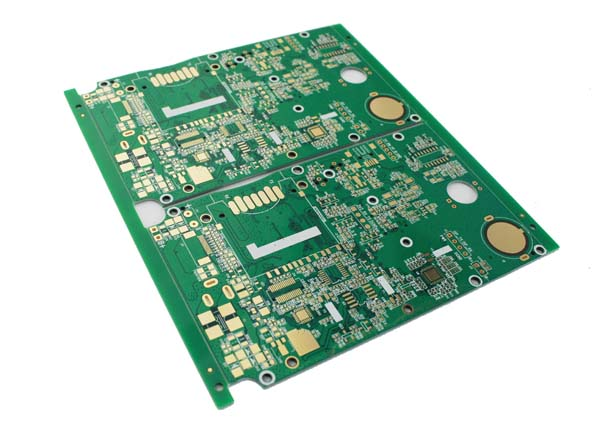
3. Immersion Silver (ImAg)
Immersion silver is a surface treatment in which a thin layer of silver is applied to the PCB using a chemical process. This finish provides good solderability and is often used in high-frequency applications.
Advantages:
Excellent for high-frequency designs due to its low electrical resistance.
Smooth and fine finish.
Cost-effective compared to ENIG.
Disadvantages:
Prone to tarnishing over time, requiring proper handling and storage.
Not as durable as other finishes like ENIG.
4. Immersion Tin (ImSn)
Immersion tin is a process where a thin layer of tin is deposited onto the PCB surface. This surface finish provides excellent solderability and is often used in lead-free applications.
Advantages:
Good for lead-free soldering.
Provides a flat, smooth surface.
Cost-effective.
Disadvantages:
Susceptible to whiskering, a phenomenon where tin grows into thin filaments.
Not suitable for high-temperature environments.
5. Organic Solderability Preservative (OSP)
OSP is an environmentally friendly PCB surface treatment that involves coating the PCB with an organic compound that protects the copper from oxidation. It is often used in consumer electronics and provides a simple and effective solution for PCBs that will undergo lead-free soldering.
Advantages:
Simple and cost-effective.
Environmentally friendly.
Provides good solderability.
Disadvantages:
Not suitable for long-term storage or high-reliability applications.
Requires careful handling to prevent damage to the organic coating.

6. Electrolytic Nickel/Immersion Gold (ENEPIG)
ENEPIG is an advanced surface finish that involves a combination of electroless nickel, immersion gold, and a palladium layer. This process offers superior performance, especially in applications where durability and high reliability are critical.
Advantages:
Excellent corrosion resistance and wear resistance.
Ideal for high-reliability applications.
Suitable for both fine-pitch and lead-free components.
Disadvantages:
Expensive compared to other surface finishes.
Complex manufacturing process.
What factors should be considered when choosing surface treatment?
Choosing the right surface treatment for a PCB involves considering several factors, including:
Application Requirements: The choice of surface treatment depends on the PCB’s intended use, such as consumer electronics, automotive, or aerospace. For high-reliability applications, finishes like ENIG or ENEPIG are preferred.
Cost: Some finishes, such as HASL and OSP, are more affordable than others like ENIG and ENEPIG. The budget and performance requirements should be balanced to make an informed decision.
Component Type: The type of components used (e.g., fine-pitch, lead-free, or high-frequency components) can influence the surface treatment choice. For fine-pitch components, finishes like ENIG and ENEPIG are ideal.
Environmental Considerations: Regulations such as RoHS (Restriction of Hazardous Substances) require manufacturers to avoid lead-based finishes. Lead-free alternatives, such as immersion silver or ENIG, are commonly used in these cases.
Durability: The expected lifetime of the PCB and its exposure to environmental conditions (e.g., humidity, temperature, or corrosive environments) will dictate the choice of surface treatment. For high-durability applications, ENIG or ENEPIG are typically preferred.
Conclusion
Choosing the right surface treatment for a PCB is a critical decision that impacts the overall performance, reliability, and cost-effectiveness of the product. By understanding the characteristics, advantages, and disadvantages of various surface treatments, designers can make an informed decision based on the specific needs of their application. Whether for consumer electronics, automotive, or high-reliability industries, selecting the appropriate surface finish ensures optimal solderability, durability, and performance of the PCB throughout its lifecycle.