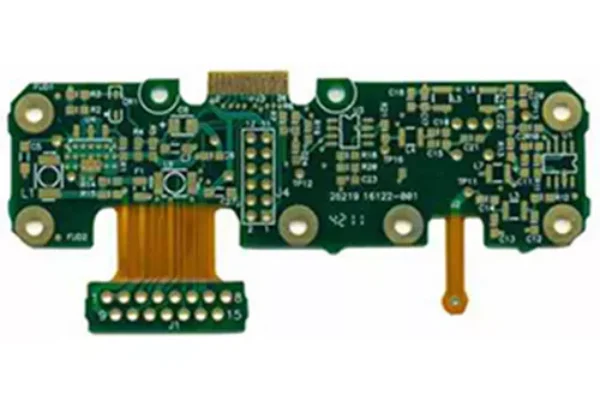
In FPCB design and manufacturing, flexible performance is very important, its affecting factors can be mainly divided into two aspects:
First, FPC material itself has the following points affecting the FPC flexible performance.
1. Molecular structure and direction of copper foil (ie, the type of copper foil)
The Rolled Annealed copper foil is with better folding quality than that of Electro Deposit copper foil.
2. Thickness of copper foil
The thinner the copper foil in the same variety of foil, the better the folding performance.
3. Type of adhesive used in the substrate
In general, flexibility of epoxy resin is better than that of acrylic adhesive. So choose epoxy-based material when require high flexibility performance. And adhesive with higher tensilemodulus can improve the flexibility.
4. Thickness of the adhesive used
The thinner the adhesive, the better flexibility the material. The FPC flexibility can be improved using thinner adhesive.
5. Insulating substrate
The thinner of the insulating substrate, the better the softness of the material, improving the flexibility of the FPC.
Summary, the main material factors affecting the flexibility of the FPCB are two major aspects: the type of material used, the thickness of the material
Second, the effect of flexure in FPC process.
1. The symmetry of the FPC stack up
PI thickness, adhesive thickness consistent at both will improve flexibility. The better symmetry of the copper foil and adhesive on both sides, the better the flexibility of the substrate. Because the stress is even when bending.
2. The control of the compressing process
When compressing FPCB with coverlayers, it is required that the adhesive be completely filled into the middle of the lines, and there should be no delamination (using coupon observation). If there is delamination, in the bending of FPCB equivalent that only bare copper itself bending, this will reduce the number of flexions.