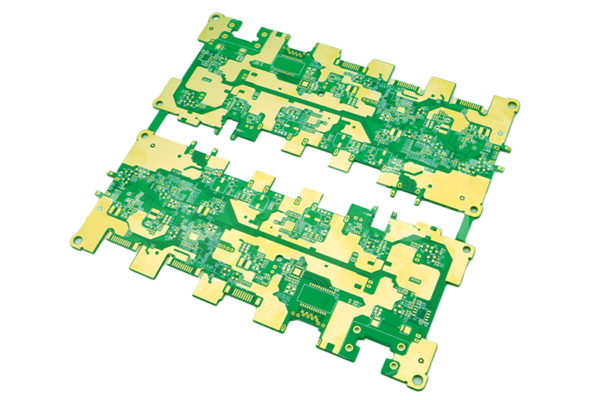
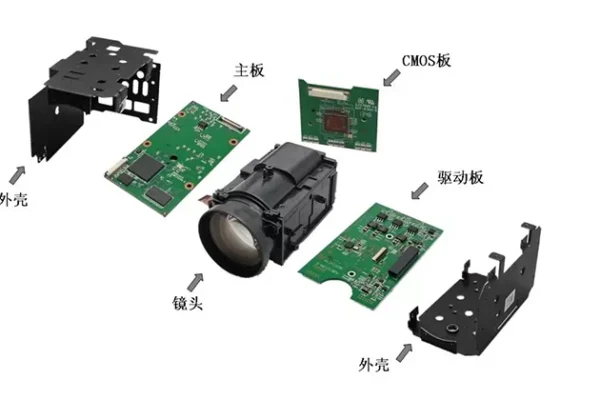
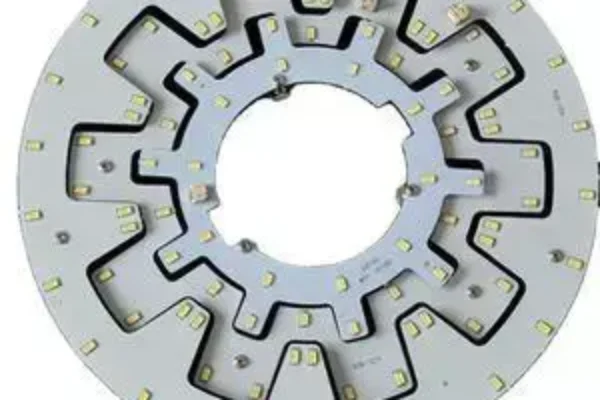
In the world of electronics, the demand for faster and more efficient devices continues to grow. High Frequency Printed Circuit Boards (PCBs) have emerged as a crucial component in meeting these demands.
Table of Contents
Understanding High Frequency PCBs
High frequency PCBs are specially designed circuit boards that can handle signals with frequencies above 1 GHz. These PCBs are engineered to minimize signal loss, reduce electromagnetic interference, and maintain signal integrity even at high frequencies. They are typically constructed using specialized materials and techniques to ensure optimal performance.
Advantages of High Frequency PCBs
1. Signal Integrity
High frequency PCBs are designed to minimize signal loss and maintain signal integrity, even in complex electronic systems. This ensures that the transmitted signals are accurately received, leading to improved performance and reliability.
2. Reduced Electromagnetic Interference (EMI)
EMI can degrade the performance of electronic devices. High frequency PCBs are engineered to minimize EMI, allowing for the smooth transmission of signals without interference from external sources.
3. Improved Thermal Management
High frequency PCBs often incorporate advanced thermal management techniques to dissipate heat efficiently. This is crucial for electronic devices that generate significant heat during operation, preventing overheating and ensuring longevity.
4. Miniaturization
High frequency PCBs enable the design and production of smaller and more compact electronic devices. Their ability to handle high-frequency signals without compromising performance allows for the integration of complex circuitry into smaller form factors.
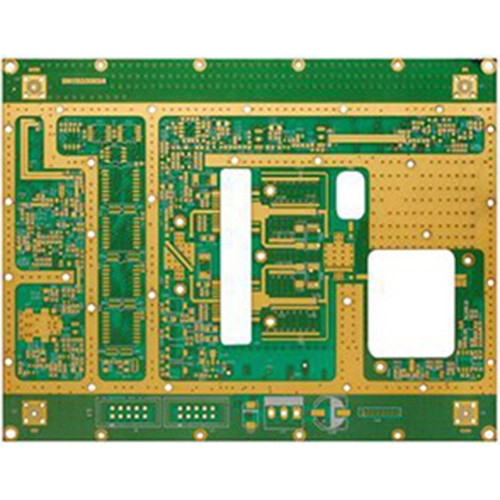
Applications of High Frequency PCBs
1. Telecommunications
High frequency PCBs are extensively used in the telecommunications industry for the development of high-speed data transmission systems, wireless communication devices, and satellite communication equipment.
2. Aerospace and Defense
The aerospace and defense sectors heavily rely on high frequency PCBs for radar systems, avionics, satellite communication systems, and military-grade electronic devices. These PCBs ensure reliable and accurate signal transmission in critical applications.
3. Medical Equipment
High frequency PCBs play a crucial role in medical equipment such as MRI machines, ultrasound devices, and high-frequency surgical equipment. They enable precise signal transmission and high-resolution imaging, contributing to accurate diagnoses and effective treatments.
4. Automotive Industry
High frequency PCBs are increasingly used in modern vehicles for advanced driver-assistance systems, infotainment systems, and communication modules. These PCBs facilitate seamless communication between various electronic components in the vehicle.
Conclusion
High frequency PCBs have revolutionized the electronics industry by enabling faster, more efficient, and reliable electronic devices. Their ability to handle high-frequency signals while maintaining signal integrity and reducing EMI has made them indispensable in various sectors such as telecommunications, aerospace, medical, and automotive. As technology continues to advance, the demand for high frequency PCBs will only continue to grow, driving further innovation in this field.