In the field of SMT (Surface Mount Technology) manufacturing, the performance of PCB (Printed Circuit Board) directly affects the reliability of electronic devices. With the increasing demand for high power and high current, thick copper plates have become core components in industrial electronics, new energy and other fields due to their unique physical properties. This article will analyze the definition, advantages, and wide application scenarios of thick copper plates.
Table of Contents
1、 What is Heavy Copper Designs?
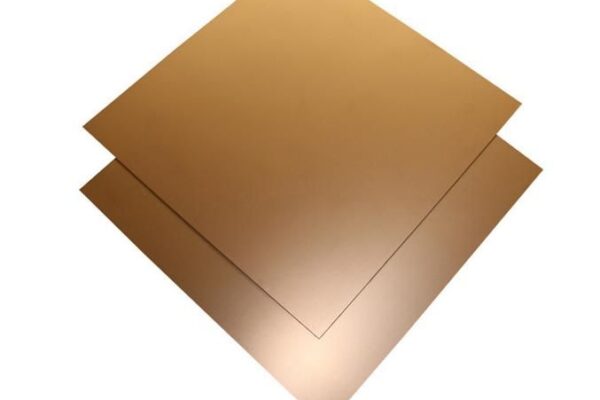
Thick copper plate refers to a circuit board with significantly thicker copper foil than conventional PCB. According to industry standards, copper with a thickness of ≥ 3 ounces (approximately 105 microns) can be called thick copper plate, and high-end products can even reach 12 ounces (400 microns). The core design goal is to increase the thickness of the copper layer, improve the current carrying capacity and heat dissipation efficiency, and meet the stringent requirements in high-power scenarios.
2、 The four core advantages of Heavy Copper Designs
1. High current carrying capacity
The copper layer of thick copper plate has a larger cross-sectional area, which can significantly reduce resistance and allow for larger currents (such as 20A or more) to pass through, avoiding circuit melting or component damage caused by overcurrent. For example, in power modules, Heavy Copper Designs can carry hundreds of amperes of current, ensuring stable power transmission.

2. Excellent heat dissipation performance
The thermal conductivity of copper is as high as 401 W/(m·K), and a thick copper layer can quickly conduct the heat generated by the component to the heat sink or external environment, reducing thermal resistance. Tests have shown that under the same power, the working temperature of thick copper plates is 15-20% lower than that of ordinary PCBs, effectively extending equipment life.
3. Mechanical strength and durability
The thick copper layer enhances the PCB’s resistance to bending and vibration, making it suitable for harsh environments such as automotive electronics and industrial equipment. For example, in the power system of electric vehicles, thick copper plates can withstand high-frequency mechanical impacts, reducing failures caused by stress fatigue.
4. Design flexibility and reliability
Thick copper plates support wider wire spacing and more complex circuit layouts, while reducing the impact of temperature rise on signal integrity. Its high heat resistance (able to withstand temperature differences of -55℃ to 260℃) also makes it suitable for extreme temperature scenarios such as aerospace.
3、 Core application areas of thick copper plates
1. Power supply and energy system
-Power module: used for server power supply, DC-DC converter, processing high-power electrical energy conversion.
-Renewable energy: Solar inverters and wind energy converters rely on thick copper plates to achieve efficient energy transmission and heat dissipation.
2. Automotive Electronics
-Electric vehicles (EVs): Battery management systems (BMS) and on-board chargers require thick copper plates to cope with high current and high temperature challenges.
-Power system: The motor controller ensures high reliability through thick copper plates to prevent safety hazards caused by overheating.
3. Industrial and medical equipment
-Industrial automation: Motor drives and PLC controllers utilize the high mechanical strength of thick copper plates to adapt to factory vibration environments.
-Medical imaging: CT and MRI equipment require thick copper plates to support high-frequency and high-power operation, ensuring long-term stable operation.
4. Communication and Aerospace
-5G base station: The high-frequency signal transmission capability and heat dissipation performance of thick copper plates ensure efficient operation of the base station.
-Aerospace Electronics: Satellite communication systems use thick copper plates to resist extreme temperatures and radiation in space.
4、 Conclusion
Thick copper plates have become a “must-have” for high-power electronic devices due to their high load-bearing capacity, strong heat dissipation, and impact resistance. With the rapid development of Industry 4.0 and new energy vehicles, the application of thick copper plates will further expand to more cutting-edge fields.
As a professional SMT solution provider, we can customize thick copper plate welding processes and testing solutions for you to help upgrade product performance. (If you need technical support, please contact our engineering team.)