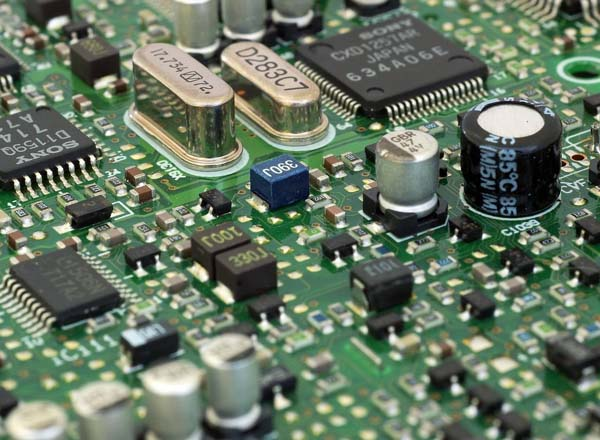
Surface Mount Technology (SMT) is the backbone of modern electronics manufacturing, enabling high-speed, high-precision, and automated PCB assembly. A well-configured SMT line ensures efficiency, high yield, and product reliability. This article outlines the essential configuration requirements for an SMT production line to achieve optimal performance and quality.
Table of Contents
1. Essential Equipment in an SMT Line
A standard SMT production line consists of several key machines, each playing a crucial role in the assembly process:
a) Solder Paste Printer
Applies solder paste onto PCB pads with precision.
Requires accurate stencil alignment and controlled pressure to ensure proper paste deposition.
Should have an automated inspection system for paste application quality.
b) SPI (Solder Paste Inspection)
Detects solder paste printing defects such as insufficient, excessive, or misaligned paste.
Utilizes 3D imaging for accurate measurement and defect analysis.
c) Pick and Place Machine
Automatically places electronic components onto the PCB based on programmed coordinates.
Should support high-speed and high-precision placement with vision-guided correction.
Must accommodate different component sizes and shapes.
d) Reflow Oven
Soldering process using controlled heating and cooling zones.
Requires accurate temperature profiling to avoid soldering defects such as tombstoning and cold joints.
e) AOI (Automated Optical Inspection)
Inspects solder joints, component presence, and placement accuracy.
Uses high-resolution cameras and AI-based defect detection algorithms.
f) X-ray Inspection (Optional for BGA and Hidden Joints)
Identifies internal soldering defects in complex packages such as BGA, CSP, and QFN.
Essential for quality assurance in high-reliability applications.
g) Conveyor System
Facilitates seamless PCB transfer between machines to maintain process flow.
Should support adjustable speed and inline buffering to prevent bottlenecks.
h) Offline Repair and Rework Station
Used to manually correct assembly defects detected during inspection.
Requires precision tools such as soldering irons, rework stations, and microscopes.
2. Environmental and Facility Requirements
For stable SMT production, the manufacturing environment must be controlled and optimized:
Temperature & Humidity Control: Maintain 22-26°C and 40-60% RH to prevent solder paste degradation and electrostatic discharge (ESD).
ESD Protection: Use ESD-safe flooring, workbenches, and protective gear to prevent static damage.
Cleanroom Standards: Minimize dust and contamination to improve soldering reliability and reduce defects.
Compressed Air & Vacuum Supply: Required for pick-and-place machines, solder paste printers, and reflow ovens.
Proper Ventilation: Necessary for managing fumes from solder paste and flux.
3. Software and Process Control
To ensure a smooth SMT production line, robust software and process control mechanisms are essential:
MES (Manufacturing Execution System): Real-time tracking of production status, material usage, and quality control.
Automated Component Feeder Calibration: Ensures accurate component pickup and reduces placement errors.
Barcode/QR Code Scanning: Enables traceability of components and PCBs throughout the production process.
Closed-loop Feedback System: Uses data from AOI, SPI, and X-ray inspection to optimize placement and soldering parameters.
4. Workforce Requirements
Even with automation, skilled personnel are necessary to maintain and operate an SMT line efficiently:
Process Engineers: Optimize production parameters and troubleshoot defects.
Machine Operators: Load components, monitor machines, and ensure smooth operation.
Quality Inspectors: Analyze inspection data and implement corrective actions.
Maintenance Technicians: Perform routine servicing and emergency repairs on equipment.
Conclusion
Configuring an SMT line requires careful selection of equipment, environmental controls, software integration, and skilled personnel. By ensuring each component of the SMT line meets industry standards, manufacturers can achieve high production efficiency, improved yield rates, and superior PCB quality. Investing in proper setup and continuous optimization will enhance competitiveness and meet the growing demands of modern electronics manufacturing.