The Printed Circuit Board (PCB) industry in China is one of the largest in the world. However, there are several disadvantages that hinder its global competitiveness, particularly in comparison to developed countries like Japan and those in Europe.
Table of Contents
1. Technological Gap Between China and Developed Countries
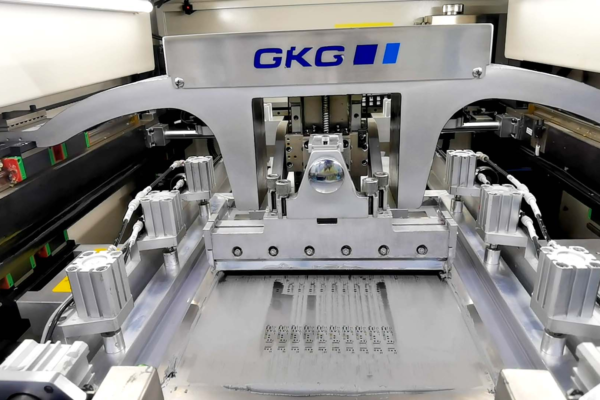
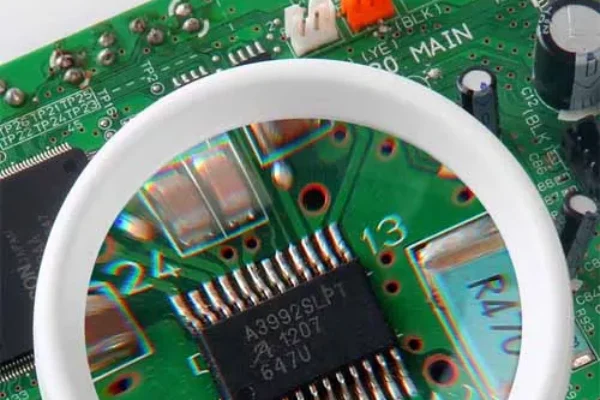
Although China is a major PCB manufacturing hub, it lags behind in high-tech PCB manufacturing. Countries such as Japan, Europe, and the United States lead in advanced PCB technologies. For instance, Japan is a global leader in High-Density Interconnect (HDI) boards and IC embedded PCB manufacturing. In contrast, China’s production of high value-added products like HDI PCBs and IC embedded PCBs is relatively small. The manufacturing technology and processes in China require significant improvements to bridge this gap.
2. Weak Basic Technology Research and Development
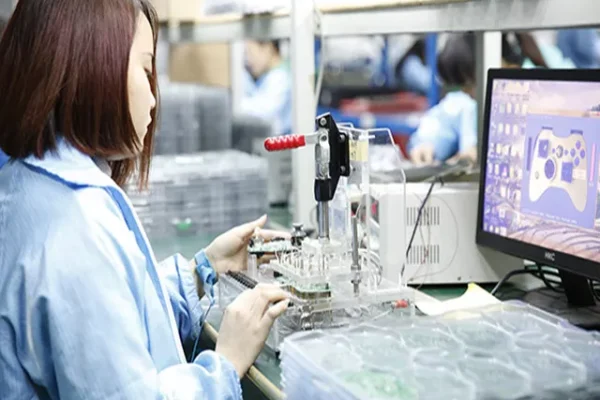
The investment in research and development (R&D) by domestic PCB manufacturers in China is inadequate compared to their foreign counterparts. This insufficiency leads to weak PCB-based technology research and development. There is a notable shortage of research staff and engineering professionals with relevant technical expertise. The lack of skilled engineers and workers is a critical factor that restricts the further development and growth of China’s high-tech PCB industry.
Key Areas for Improvement
To enhance the global competitiveness of the Chinese PCB industry, several areas need attention:
1. Increased R&D Investment:
Boosting investment in research and development to foster innovation in PCB technology.
2. Talent Development:
Focusing on the education and training of professional engineers and skilled workers to fill the expertise gap.
3. Technological Advancements:
Adopting and integrating advanced manufacturing technologies to improve the quality and complexity of PCBs produced in China.
Conclusion
While China holds a significant position in the global PCB market, addressing these disadvantages is crucial for maintaining and enhancing its competitive edge. By increasing R&D investments, fostering talent, and embracing technological advancements, China can close the gap with developed countries and lead the PCB manufacturing industry.