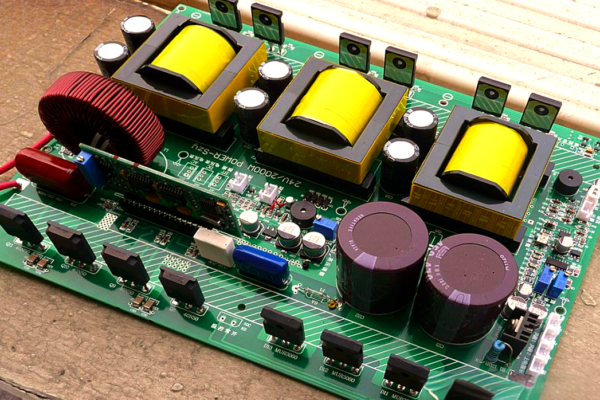
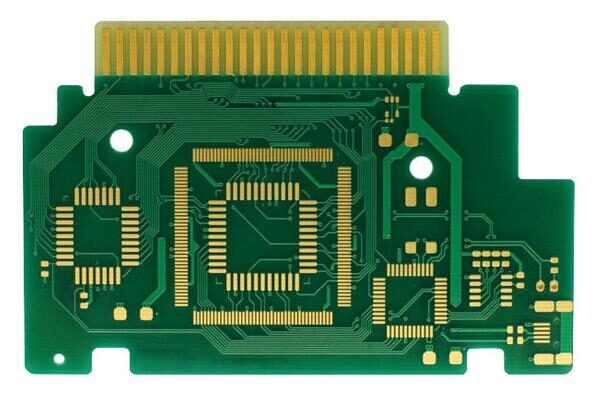
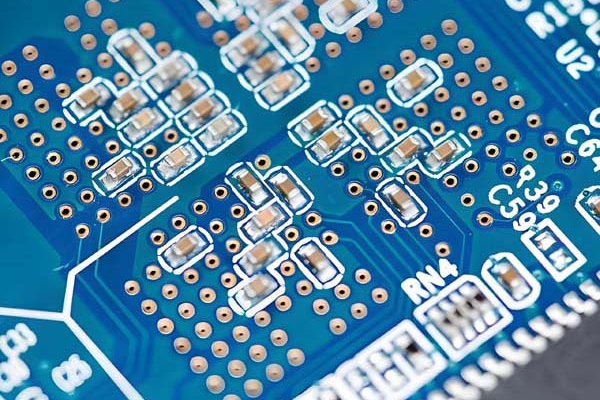
In the field of electronic manufacturing, PCB circuit boards are a key component of electronic products, and their soldering quality directly affects the performance, reliability, and service life of electronic products. Whether it is consumer electronics, communication equipment, automotive electronics, aerospace products, there are strict requirements for PCB circuit board soldering. To ensure high-quality welding results, multiple conditions must be met, which will be elaborated in detail below.
Table of Contents
1、 Suitable welding materials
(1) Solder selection
Solder is the core material for welding, commonly including tin lead solder and lead-free solder. Tin lead solder has been widely used for its good wetting and soldering properties, but due to the potential harm of lead to the environment and human health, it has gradually been replaced by lead-free solder. In lead-free solder, tin silver copper (SAC) alloy is the most common, with a melting point usually around 217 ℃. When using it, the appropriate composition and specifications of the solder should be selected according to the heat resistance and welding process of the solder object. For example, when welding small surface mount components, thinner diameter solder wires can be used; Wave soldering often uses tin bars as solder to ensure the continuity and stability of the soldering process.

(2) Flux usage
Flux plays a role in removing metal surface oxides, reducing solder surface tension, and enhancing wettability during the welding process. According to their chemical composition and activity, fluxes can be divided into inorganic fluxes, organic fluxes, and resin fluxes. Inorganic soldering flux has strong activity but high corrosiveness, and is generally not used for PCB circuit board soldering; Organic soldering flux has moderate activity and low corrosiveness; Resin flux is mainly composed of rosin, which has good soldering performance and insulation properties, and has less residue. It is a commonly used flux in PCB soldering. When using soldering flux, it is necessary to control the amount applied. Too little can affect the soldering effect, while too much can leave impurities, which may cause problems such as short circuits.
2、 Suitable welding environment
(1) Temperature and humidity control
The temperature and humidity of the welding environment have a significant impact on the welding quality. Generally speaking, the ambient temperature in the welding workshop should be maintained at 23 ± 3 ℃, and the relative humidity should be controlled at 45% -75% RH. If the temperature is too high, the solder is prone to oxidation, which affects the welding effect; If the temperature is too low, the fluidity of the solder will deteriorate, making it difficult to form good solder joints. If the humidity is too high, electronic components are prone to moisture and may be damaged during the welding process due to rapid evaporation of moisture; If the humidity is too low, static electricity is easily generated, and electrostatic discharge may penetrate sensitive electronic components, causing permanent damage. Therefore, it is necessary to equip temperature and humidity control equipment to monitor and regulate environmental temperature and humidity in real time.

(2) Cleanliness requirements
PCB circuit board soldering requires high environmental cleanliness, and dust, impurities, etc. falling into the soldering area may cause problems such as virtual soldering and short circuits. The welding workshop should be kept clean, with regular cleaning of the floor, equipment, and workbenches. If necessary, a dust-free workshop can be used, equipped with air purification equipment to filter out particulate pollutants in the air and ensure that the cleanliness of the welding environment meets the requirements. At the same time, operators need to wear dust-free clothing, gloves, and masks to avoid contaminating the circuit board with dust and impurities carried by themselves.
3、 Professional personnel operate
(1) Operational skills and training
Welding operators need to possess professional welding skills and knowledge, familiar with the operation methods and key points of different welding processes (such as manual welding, wave soldering, reflow soldering, etc.). Enterprises should regularly organize operators to participate in training, learn new welding techniques and process standards, and improve their operational skills. The training content includes the use and maintenance of welding equipment, the characteristics and selection of welding materials, the setting of welding parameters, and the analysis and resolution of common welding defects. Only personnel who have received professional training and passed the assessment can perform PCB circuit board soldering operations on duty.
(2) Quality awareness and standardized operation
The quality awareness of operators is the key to ensuring welding quality. Strict adherence to welding process specifications and operating procedures is required, and welding operations must be carried out according to standard procedures. Before welding, carefully inspect the quality of the circuit board and components to ensure that there is no damage or oxidation; During the welding process, control the welding time, temperature, and amount of solder to ensure that the solder joints are full, smooth, and free from virtual soldering and short circuits; After welding, conduct quality inspection carefully and promptly detect and handle welding defects. Only by strictly controlling every step can the soldering quality of PCB circuit boards be ensured.
4、 Reliable welding equipment and tools
(1) Welding equipment
Choose appropriate welding equipment based on different welding processes. Hand soldering commonly uses electric soldering irons, and the power and temperature of the soldering iron need to be adjusted according to the soldering object. Generally, for soldering small components, a 20-30W soldering iron can be used, with a temperature set at 300-350 ℃; Wave soldering equipment is suitable for large-scale welding, and its welding temperature, transfer speed, tin wave height and other parameters need to be precisely controlled to ensure the consistency of welding quality; Reflow soldering equipment is mainly used for soldering surface mount components. By controlling the furnace temperature curve, the solder paste is melted to achieve soldering. The setting of the furnace temperature curve needs to be optimized according to the characteristics of the components and solder paste.

(2) Auxiliary tools
In addition to welding equipment, necessary auxiliary tools such as tweezers, tin absorbers, magnifying glasses, etc. should also be equipped. Tweezers are used for gripping and placing small components, requiring a sharp and flexible head; The tin absorber is used to remove poorly welded components or clean excess solder, ensuring strong suction force; Magnifying glasses are used to inspect the quality of solder joints, facilitating the observation of small welding defects. The quality and performance of these auxiliary tools will also have an impact on welding operations and quality, requiring regular inspection and maintenance.
The above content covers the key conditions for PCB circuit board soldering. If you would like to further explore a certain part of the content or supplement other welding related requirements, please feel free to let me know at any time.
Get your exclusive quote immediately: fill out the form or send an email directly.As a professional PCB manufacturer , we will provide you with a quote service within 24 hours. Enjoy free DFM optimization and a 10% discount on SMT patches for your first order!