To understand the differences and relationships between PCB, PCBA, and SMT, one can start from two aspects: “definition” and “logical association”:
Table of Contents
1. Definition: Essentially different
-PCB (Printed Circuit Board)
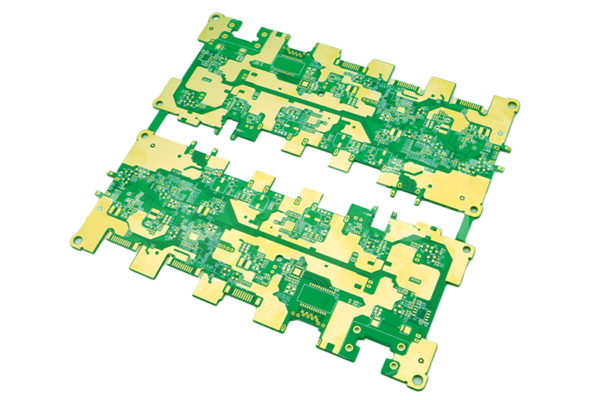
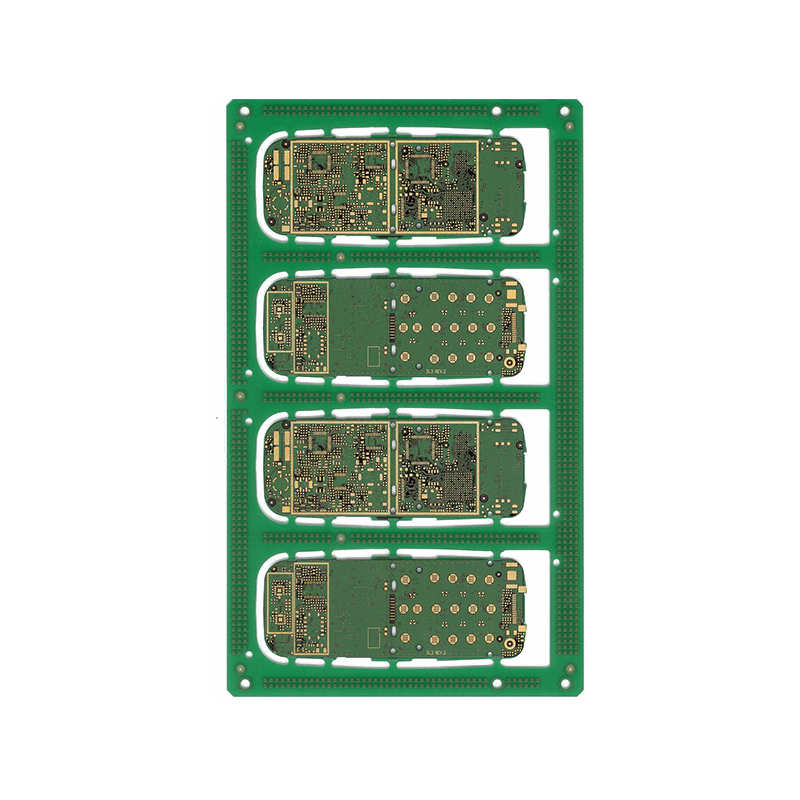
It is a “bare board” consisting only of insulating substrate (such as FR-4 fiberglass board) and conductive copper foil lines on the surface, without any electronic components. Its core function is to provide an “installation platform” for electronic components and an “electrical connection path” (to achieve conductivity between components through copper foil circuits).
Simply put, PCB is an “empty circuit board skeleton”.
-PCBA (Printed Circuit Board Assembly)

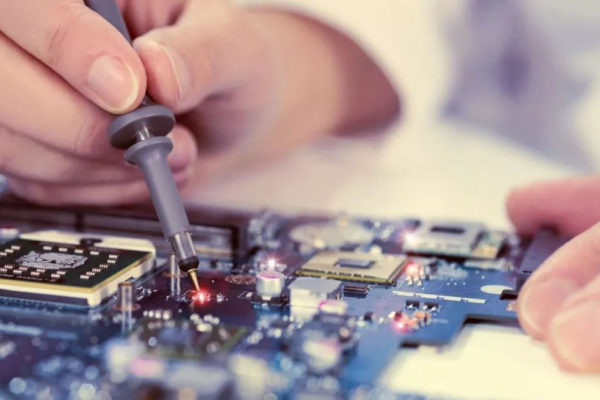
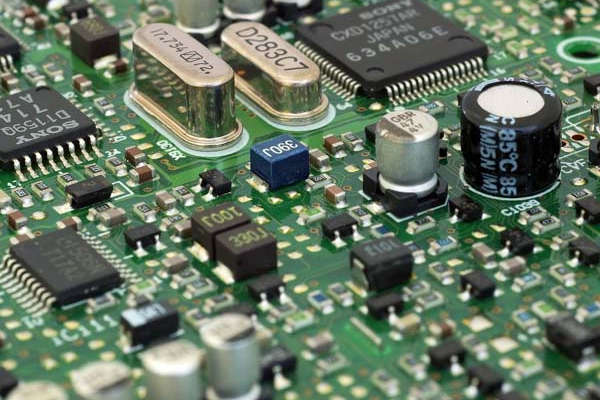
It is a finished board containing electronic components, which refers to the final product after installing resistors, capacitors, chips and other electronic components on the PCB through soldering and other processes, and has complete circuit functions (such as mobile phone motherboards, computer graphics cards, etc. are all PCBA).
Simply put, PCBA is a finished circuit board with components installed.
-SMT (Surface Mount Technology)
It is an “electronic component assembly process” that involves soldering miniaturized surface mount components (SMD, such as chip resistors and chips) onto solder pads on the surface of a PCB using solder paste (without the need for holes or board penetrations). It is currently the most mainstream assembly technology in the electronic manufacturing industry (replacing the traditional “through-hole insertion technology THT”, with higher efficiency and suitable for miniaturization).
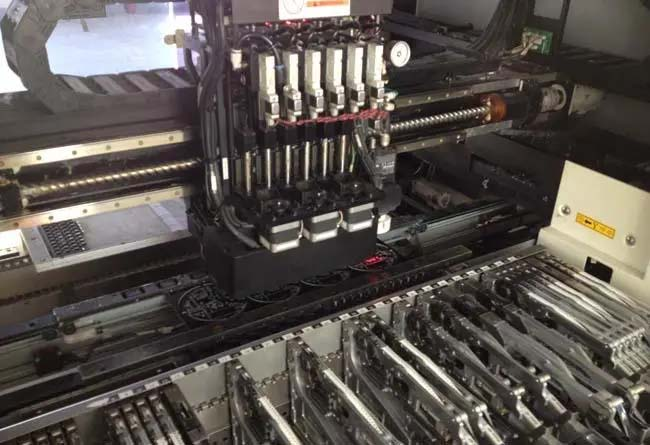
Simply put, SMT is a technical means of mounting components onto a PCB.
2. Relationship: Progressive logic with a procedural approach
The core relationship among the three is “foundation → process → result”:
-PCB is the basic carrier: without PCB, there is no “skeleton” for installing components, and subsequent assembly cannot be discussed.
-SMT is a key process: to mount components onto PCBs, it is necessary to achieve this through SMT (or THT, etc.). SMT is currently the most mainstream assembly technology (especially suitable for miniaturized components), responsible for “fixing and soldering” components onto PCB pads.
-PCBA is the ultimate result: after assembling components through SMT (or THT), the PCB becomes a functional PCBA.
Summarize
-Difference: PCB is an “empty board”, PCBA is a “finished board with components installed”, SMT is the “process of installing components onto PCB” (the first two are “entities”, while the latter is “technology/process”).
-Relationship: PCB → Assemble components through SMT (or other processes) → Become PCBA.
For example, a mobile phone motherboard is a PCB when no components are installed; After soldering chips, resistors, etc. using SMT technology, it becomes a functional PCBA.
Get your exclusive quote immediately: fill out the form or send an email directly.As a professional PCB manufacturer for hobbyist , we will provide you with a quote service within 24 hours. Enjoy free DFM optimization and a 10% discount on SMT patches for your first order!